Not every crane hazard carries the same risk of killing a worker. Fatality records draw a sharp line between hazards that injure and hazards that kill. Safety exams capture that line in a single question.
which of the following is the most dangerous factor among crane accidents?
Featured Snippet: Power line contact is the most dangerous factor among crane accidents. Federal fatality investigations have long ranked electrocution as the leading killer in crane work. A boom or load line touching an energized line kills operators and ground crew at once. That is why clearance rules exist.
Why Power Line Contact Ranks First
Federal fatality data has ranked electrocution at the top of crane-related deaths for decades. Contact with energized overhead lines remains the single most lethal event in crane operations.
The danger comes from how electricity behaves:
- Invisible envelope: high voltage can arc across an air gap without any contact.
- Instant lethality: current passes through the boom, the rope, and the operator at once.
- No warning: a line that looks inert can carry tens of thousands of volts.
- Multiple victims: ground workers touching the load or the crane share the circuit.
Most other crane accidents offer a survivable margin. A dropped load injures workers in the fall zone. A tipped crane injures the operator in the cab. Power line contact kills nearly everyone in the current path.
How the Other Major Factors Compare
Exam answer options typically list several hazards. Each one is deadly in its own way, but the fatality records separate them clearly.
| Hazard Factor | Primary Failure Mode | Why It Ranks Where It Does |
|---|---|---|
| Power line contact | Electrocution | Highest fatality rate; kills multiple workers at once |
| Falling loads | Struck-by injury | Survivable outside the fall zone; rigging checks reduce it |
| Overloading | Structural collapse | Load charts and limiters give early protection |
| Crane tipping | Overturn | Ground checks and outrigger setup precede most lifts |
| Mechanical failure | Brake, rope, or hook break | Daily inspection of critical parts catches decay early |
For a wider view of incident types and worker-level prevention, see our guide on common crane accidents.
The Defense Against the Deadliest Factor
The rules answer the power line problem with distance. Federal crane standards require a minimum clearance of 20 feet from lines rated up to 350 kV. Above that rating, the required distance rises to 50 feet plus additional distance per added 50 kV.
Three controls work together:
- Pre-lift site survey: identify every energized line before setup.
- Encapsulation: insulating barriers or line covers for work inside clearance.
- Designated spotter: dedicated observer when the boom works near lines.
No lift near power lines proceeds without all three in place.
What Power Contact Does to the Machine
A crane that survives an electrical event is not ready to work. Current entering through the boom or rope grounds through the machine itself. The damage concentrates in the electrical system.
After any suspected contact, inspectors check:
- Contactors and control relays for welded contacts and insulation damage.
- Variable frequency drives for surge damage beyond their rating.
- Motor windings for insulation breakdown.
- Wire rope for burn marks and arc welding points along the line.
- Hook and block assemblies for current exit burns.
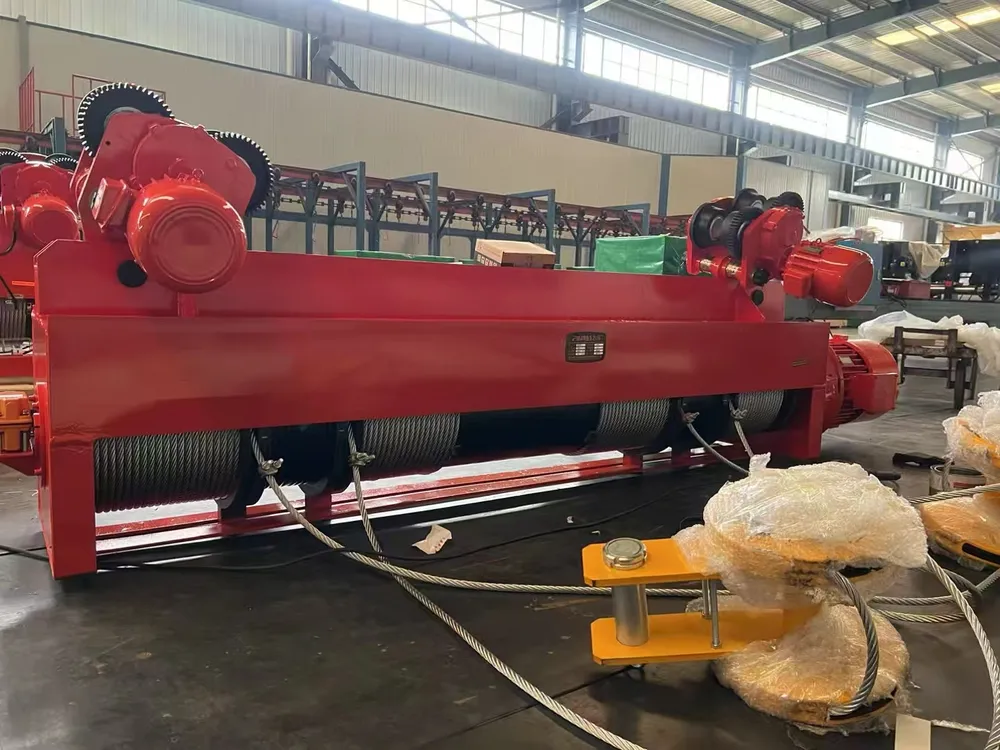
Damaged electrical components rarely fail immediately. A degraded contactor may hold for weeks before welding shut mid-lift. Replacing suspect crane electrical components after an electrical event costs far less than the failure it prevents.
Mechanical Hazards Still Deserve Daily Attention
Power lines rank first in lethality, but mechanical failures cause the most frequent incidents. Brake, rope, and hook failures develop over weeks of service. The minimum crane inspection frequency for these critical parts is a daily check before each shift.
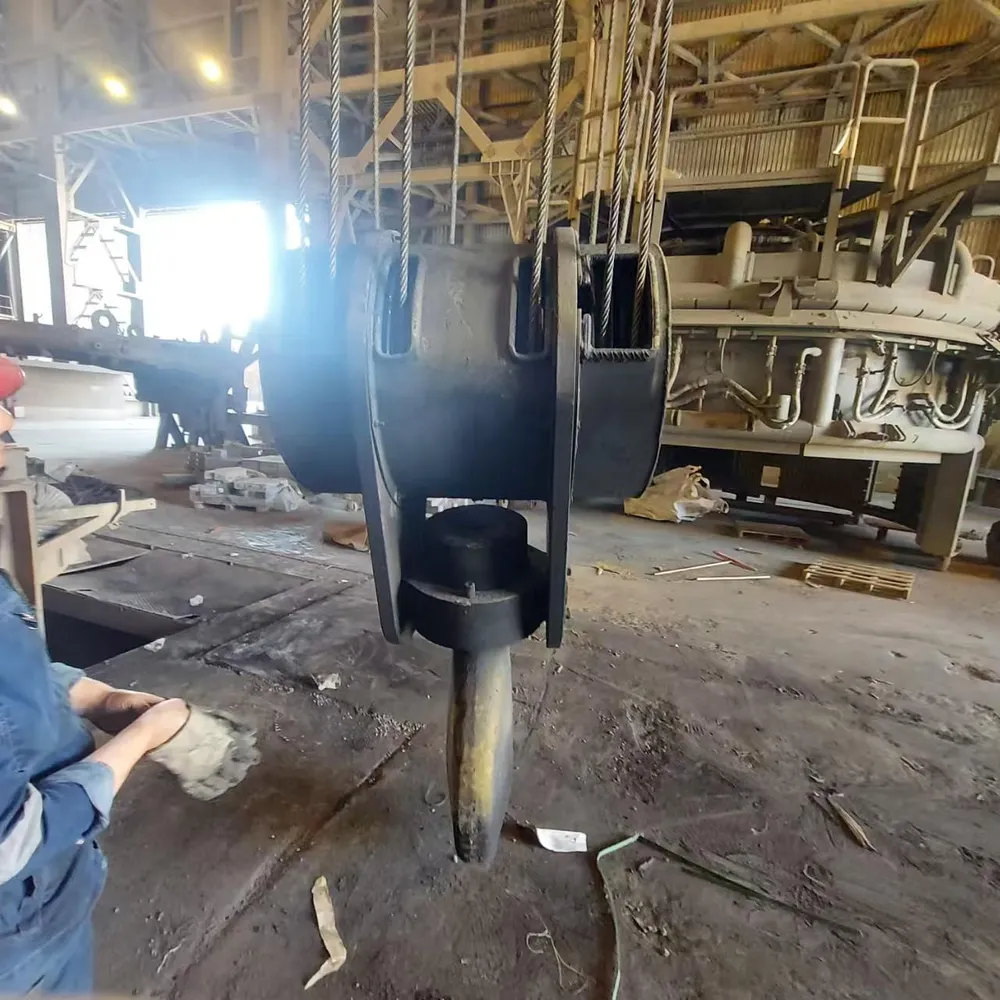
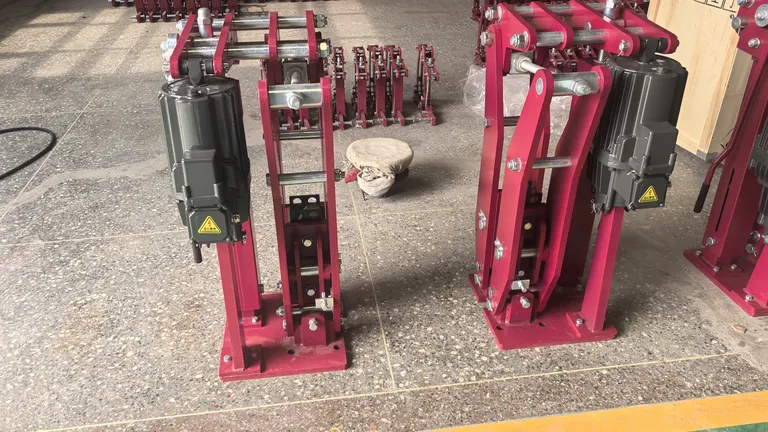
Wear limits tell you when replacement is due. Brake linings past half their rated wear and hooks past their opening limits move from inspection findings to purchase orders. Matched crane brakes and rigging components keep the mechanical failure row of the hazard table from moving up.
FAQ
Which of the following is the most dangerous factor among crane accidents?
What is the minimum safe distance from power lines?
Why is electrocution deadlier than falling loads?
What should be inspected after a crane contacts power?
Which mechanical parts fail most often on cranes?
Reduce Every Factor, Not Just the Deadliest
Power line contact tops the fatality table, and clearance discipline answers it. Mechanical hazards answer to inspection and timely replacement.
Hanko supplies electrical components, brakes, hooks, and rigging parts for common crane models. Send us:
- Nameplate photos and crane model information
- Part drawings or part numbers
- Inspection findings that define the replacement scope
Contact Hanko today for matched replacement components that lower every line of the hazard table.
Email: info@hankocrane.com