Не всяка опасност при крановете носи еднакъв риск от смърт на работник. Записите за смъртни случаи чертаят ясна граница между опасностите, които нараняват, и тези, които убиват. Изпитите за безопасност улавят тази граница в един единствен въпрос.
Кой от следните фактори е най-опасният при аварии с кранове?
Препоръчан откъс: Контактът с далекопровод е най-опасният фактор сред авариите с кранове. Федералните разследвания на смъртните случаи отдавна сочат токовия удар като основен убиец при работа с кранове. Стрела или товарен въже, докосващи под напрежение линия, убиват операторите и наземния екип на място. Ето защо съществуват правила за разстояние.
Защо контактът с далекопровод се класира на първо място
Федералните данни за смъртните случаи класират токовия удар на върха на смъртните случаи, свързани с кранове, от десетилетия. Контактът с далекопроводи под напрежение остава най-смъртоносната единична проява при работа с кранове.
Опасността произтича от начина, по който електричеството се държи:
- Невидим плик: високото напрежение може да прескочи въздушна междина без никакъв контакт.
- Незабавна смъртоносвност: токът преминава едновременно през стрелата, въжето и оператора.
- Без предупреждение: линия, която изглежда неактивна, може да пренася десетки хиляди волта.
- Множество жертви: наземните работници, които докосват товара или крана, споделят веригата.
Повечето други аварии с кранове предлагат оцеляема граница. Падналият товар наранява работниците в зоната на падане. Преобърналият се кран наранява оператора в кабината. Контактът с далекопровод убива почти всеки по пътя на тока.
Как се сравняват другите основни фактори
Възможностите за отговор на изпита обикновено изброяват няколко опасности. Всяка от тях е смъртоносна по своему, но записите за смъртните случаи ги разделят ясно.
| Hazard Factor | Primary Failure Mode | Why It Ranks Where It Does |
|---|---|---|
| Power line contact | Electrocution | Highest fatality rate; kills multiple workers at once |
| Falling loads | Struck-by injury | Survivable outside the fall zone; rigging checks reduce it |
| Претоварване | Structural collapse | Load charts and limiters give early protection |
| Crane tipping | Overturn | Ground checks and outrigger setup precede most lifts |
| Mechanical failure | Brake, rope, or hook break | Daily inspection of critical parts catches decay early |
For a wider view of incident types and worker-level prevention, see our guide on често срещани инциденти с кранове.
Защитата срещу най-смъртоносния фактор
Правилата решават проблема с далекопроводите чрез разстояние. Федералните стандарти за кранове изискват минимално разстояние от 20 фута от линии с номинално напрежение до 350 kV. Над този номинал изискваното разстояние се увеличава до 50 фута плюс допълнително разстояние за всеки добавени 50 kV.
Три контрола работят заедно:
- Проучване на площадката преди повдигане: идентифицирайте всяка линия под напрежение преди монтажа.
- Инкапсулация: изолиращи бариери или покрития за линии за работа в рамките на допустимото разстояние.
- Назначен спотър: специализиран наблюдател, когато стрелата работи близо до линии.
Никое повдигане близо до далекопроводи не се извършва без присъствието и на трите елемента.
What Power Contact Does to the Machine
A crane that survives an electrical event is not ready to work. Current entering through the boom or rope grounds through the machine itself. The damage concentrates in the electrical system.
After any suspected contact, inspectors check:
- Contactors and control relays for welded contacts and insulation damage.
- Variable frequency drives for surge damage beyond their rating.
- Motor windings for insulation breakdown.
- Wire rope for burn marks and arc welding points along the line.
- Hook and block assemblies for current exit burns.
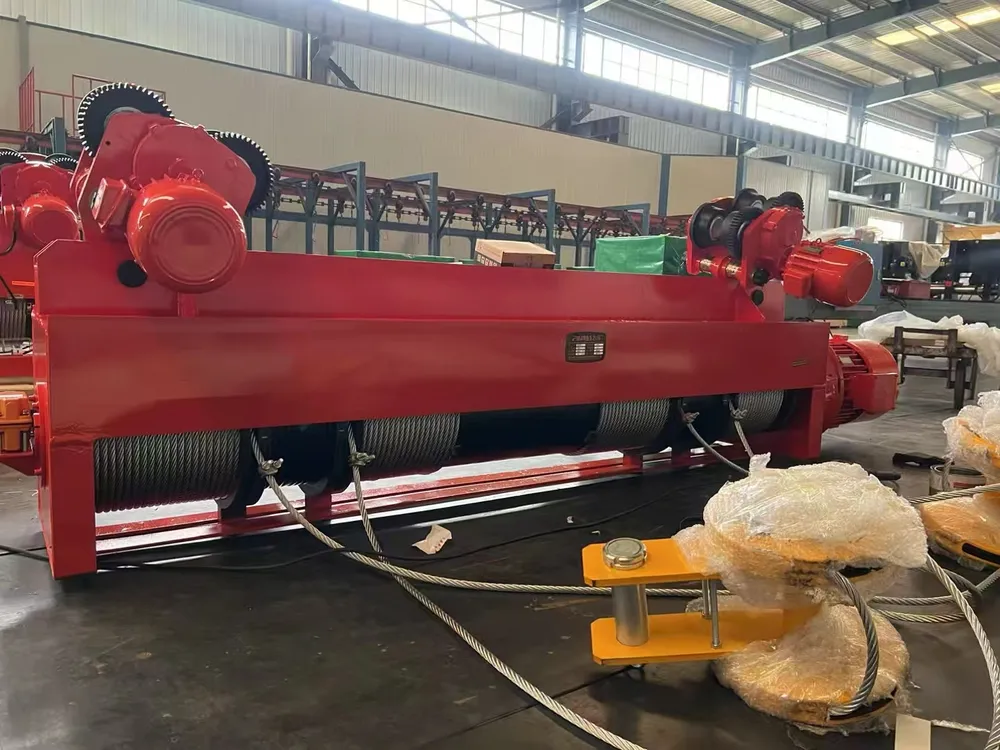
Damaged electrical components rarely fail immediately. A degraded contactor may hold for weeks before welding shut mid-lift. Replacing suspect crane electrical components after an electrical event costs far less than the failure it prevents.
Mechanical Hazards Still Deserve Daily Attention
Power lines rank first in lethality, but mechanical failures cause the most frequent incidents. Brake, rope, and hook failures develop over weeks of service. The minimum crane inspection frequency for these critical parts is a daily check before each shift.
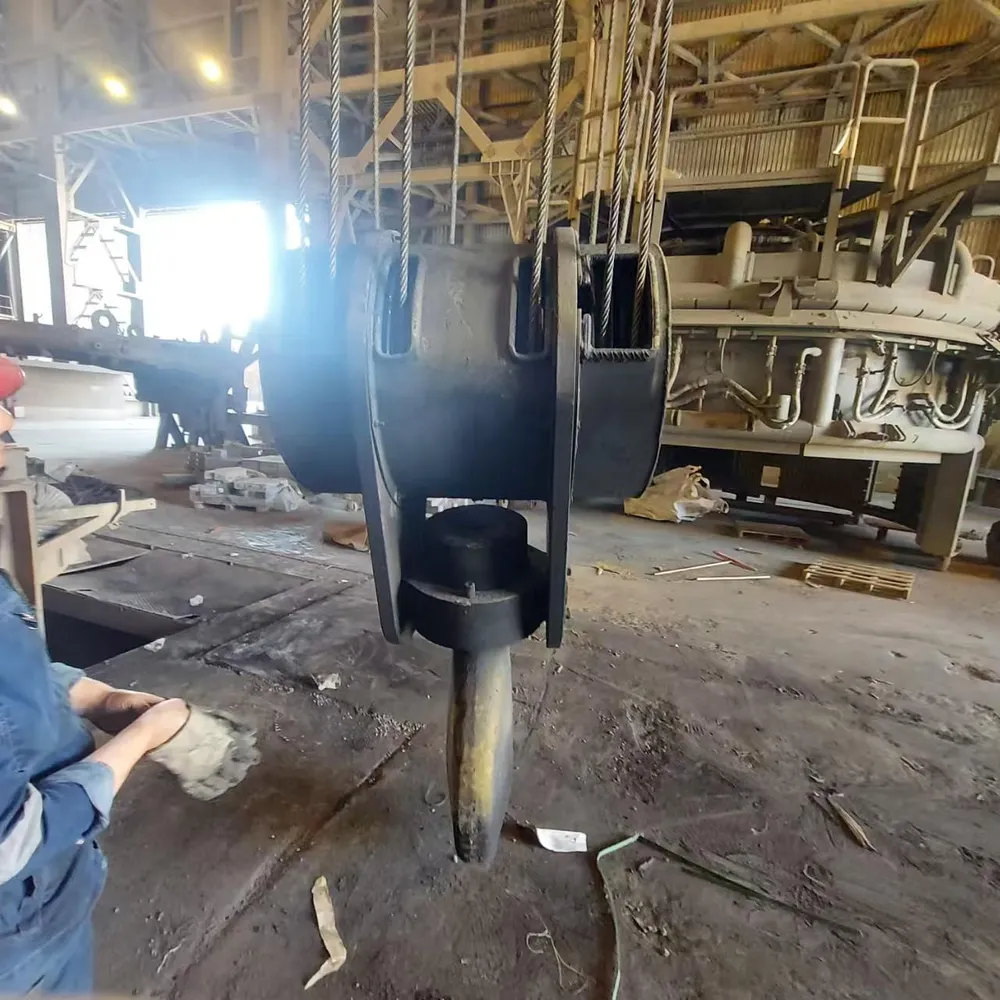
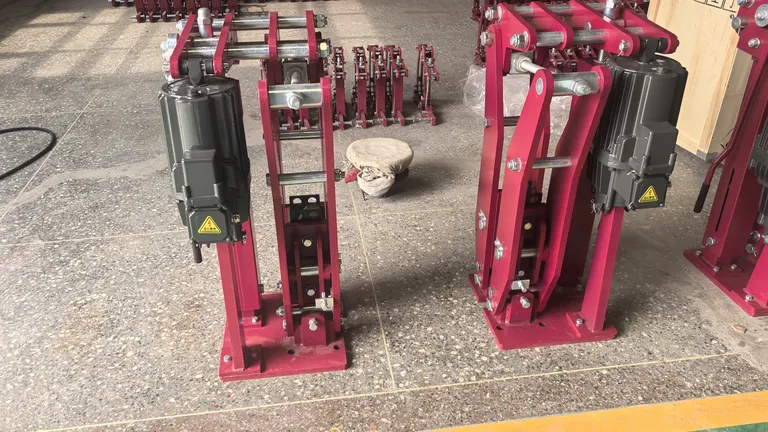
Wear limits tell you when replacement is due. Brake linings past half their rated wear and hooks past their opening limits move from inspection findings to purchase orders. Matched спирачки на крана and rigging components keep the mechanical failure row of the hazard table from moving up.
ЧЗВ
Which of the following is the most dangerous factor among crane accidents?
What is the minimum safe distance from power lines?
Why is electrocution deadlier than falling loads?
What should be inspected after a crane contacts power?
Which mechanical parts fail most often on cranes?
Reduce Every Factor, Not Just the Deadliest
Power line contact tops the fatality table, and clearance discipline answers it. Mechanical hazards answer to inspection and timely replacement.
Hanko supplies electrical components, brakes, hooks, and rigging parts for common crane models. Send us:
- Снимки на табелки с данни и информация за модела на крана
- Чертежи на части или номера на части
- Inspection findings that define the replacement scope
Contact Hanko today for matched replacement components that lower every line of the hazard table.
Имейл: info@hankocrane.com