Nicht jede Krangefahr birgt das gleiche Risiko, einen Arbeiter zu töten. Todesfallaufzeichnungen ziehen eine klare Grenze zwischen Gefahren, die Verletzungen verursachen, und Gefahren, die tödlich sind. Sicherheitsprüfungen bilden diese Grenze in einer einzigen Frage ab.
Welcher der folgenden Faktoren ist der gefährlichste bei Kranunfällen?
Ausgewählter Ausschnitt: Der Kontakt mit Stromleitungen ist der gefährlichste Faktor bei Kranunfällen. Bundesweite Untersuchungen zu tödlichen Unfällen haben Stromschläge seit langem als die häufigste Todesursache bei Kranarbeiten eingestuft. Wenn ein Ausleger oder eine Lastleine eine unter Spannung stehende Leitung berührt, kommen Bediener und Bodenpersonal sofort ums Leben. Deshalb gibt es Abstandsvorschriften.
Warum der Kontakt mit Stromleitungen an erster Stelle steht
Bundesweite Todesfallstatistiken belegen, dass Stromschläge seit Jahrzehnten die häufigste Todesursache bei Kranunfällen sind. Der Kontakt mit unter Spannung stehenden Freileitungen ist nach wie vor das tödlichste Einzelereignis bei Kranarbeiten.
Die Gefahr ergibt sich aus dem Verhalten des Stroms:
- Unsichtbare Hülle: Hochspannung kann über einen Luftspalt ohne jeglichen Kontakt überschlagen.
- Unsichtbare Hülle: Hochspannung kann ohne jeglichen Kontakt über einen Luftspalt überschlagen.
- Keine Warnung: Eine Leitung, die harmlos aussieht, kann Zehntausende von Volt führen.
- Mehrere Opfer: Bodenarbeiter, die die Last oder den Kran berühren, befinden sich im selben Stromkreis.
Die meisten anderen Kranunfälle lassen eine Überlebenschance zu. Eine herabfallende Last verletzt Arbeiter im Fallbereich. Ein umkippender Kran verletzt den Fahrer in der Kabine. Der Kontakt mit Stromleitungen tötet fast alle Personen im Strompfad.
Wie die anderen wichtigen Faktoren abschneiden
Die Antwortmöglichkeiten in der Prüfung listen normalerweise mehrere Gefahren auf. Jede davon ist auf ihre eigene Weise tödlich, aber die Todesfallstatistiken unterscheiden sie eindeutig voneinander.
| Hazard Factor | Primary Failure Mode | Why It Ranks Where It Does |
|---|---|---|
| Power line contact | Electrocution | Highest fatality rate; kills multiple workers at once |
| Falling loads | Struck-by injury | Survivable outside the fall zone; rigging checks reduce it |
| Überlastung | Structural collapse | Load charts and limiters give early protection |
| Crane tipping | Overturn | Ground checks and outrigger setup precede most lifts |
| Mechanical failure | Brake, rope, or hook break | Daily inspection of critical parts catches decay early |
For a wider view of incident types and worker-level prevention, see our guide on common crane accidents.
Die Abwehr gegen den tödlichsten Faktor
Die Regeln lösen das Problem mit Stromleitungen über den Abstand. Die bundesstaatlichen Kranstandards schreiben einen Mindestabstand von 20 Fuß zu Leitungen mit einer Nennspannung bis 350 kV vor. Oberhalb dieser Nennspannung steigt der erforderliche Abstand auf 50 Fuß zuzüglich eines zusätzlichen Abstands für jede weitere 50 kV.
Drei Steuerelemente arbeiten zusammen:
- Vorhub-Standortprüfung: Vor dem Aufbau jede spannungsführende Leitung identifizieren.
- การห่อหุ้ม: สิ่งกั้นฉนวนหรือฝาครอบสายไฟสำหรับงานภายในระยะห่างปลอดภัย
- Beauftragter Beobachter: speziell zuständiger Beobachter, wenn der Ausleger in der Nähe von Leitungen arbeitet.
Kein Hebevorgang in der Nähe von Stromleitungen wird durchgeführt, wenn nicht alle drei Voraussetzungen erfüllt sind.
What Power Contact Does to the Machine
A crane that survives an electrical event is not ready to work. Current entering through the boom or rope grounds through the machine itself. The damage concentrates in the electrical system.
After any suspected contact, inspectors check:
- Contactors and control relays for welded contacts and insulation damage.
- Variable frequency drives for surge damage beyond their rating.
- Motor windings for insulation breakdown.
- Wire rope for burn marks and arc welding points along the line.
- Hook and block assemblies for current exit burns.
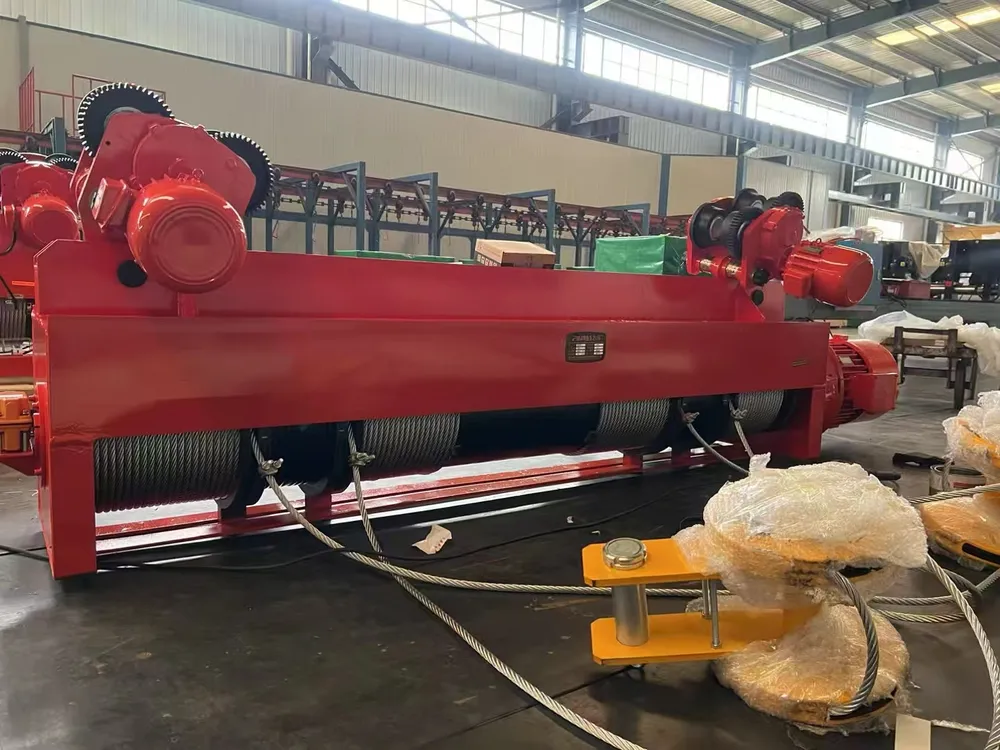
Damaged electrical components rarely fail immediately. A degraded contactor may hold for weeks before welding shut mid-lift. Replacing suspect crane electrical components after an electrical event costs far less than the failure it prevents.
Mechanical Hazards Still Deserve Daily Attention
Power lines rank first in lethality, but mechanical failures cause the most frequent incidents. Brake, rope, and hook failures develop over weeks of service. The minimum crane inspection frequency for these critical parts is a daily check before each shift.
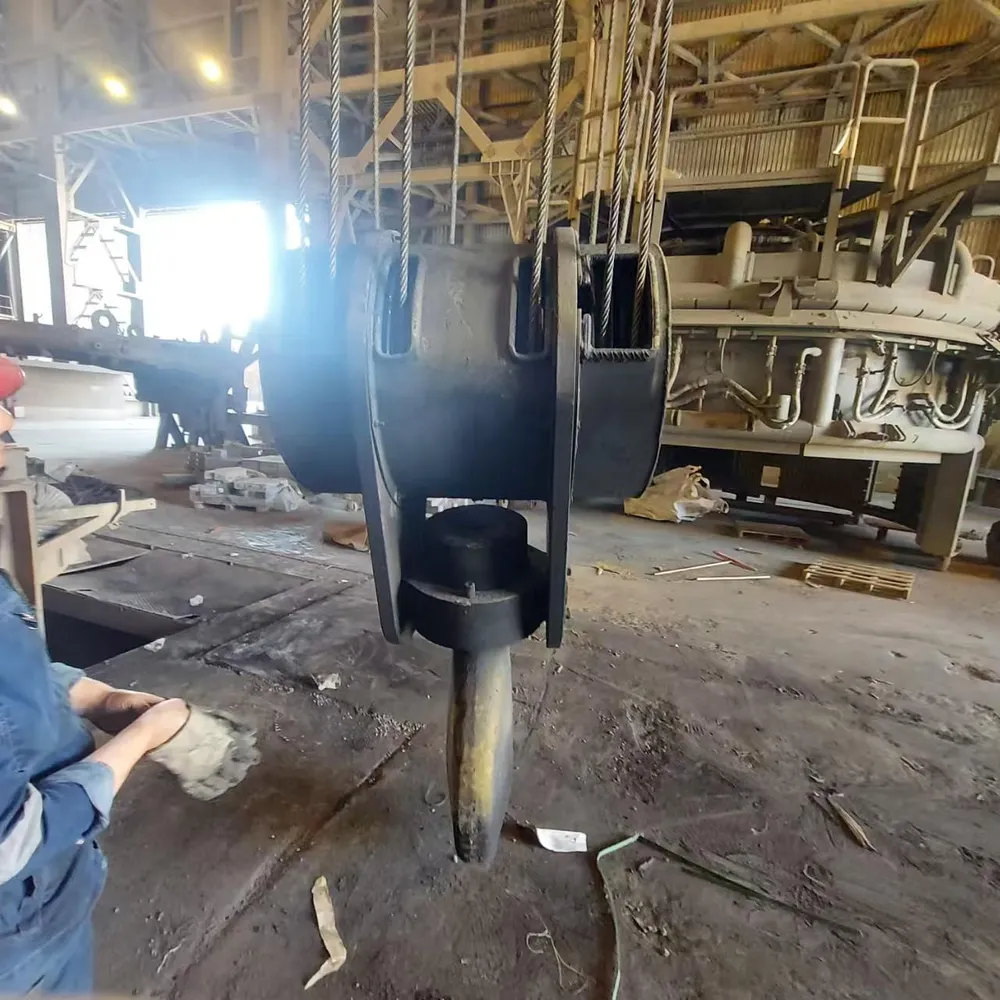
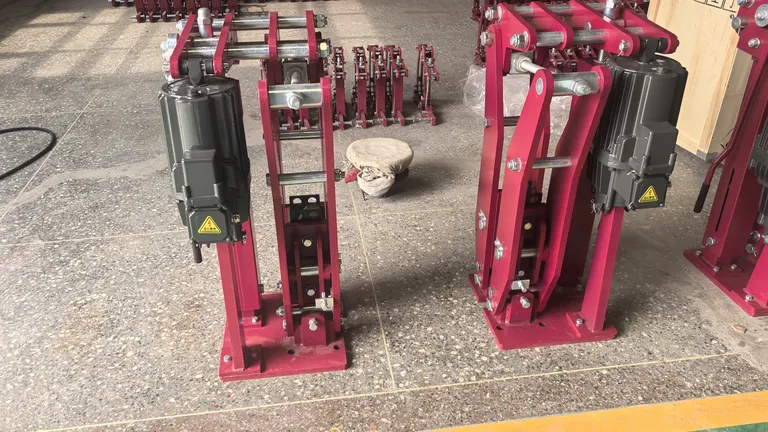
Wear limits tell you when replacement is due. Brake linings past half their rated wear and hooks past their opening limits move from inspection findings to purchase orders. Matched Kranbremsen and rigging components keep the mechanical failure row of the hazard table from moving up.
Häufig gestellte Fragen
Which of the following is the most dangerous factor among crane accidents?
What is the minimum safe distance from power lines?
Why is electrocution deadlier than falling loads?
What should be inspected after a crane contacts power?
Which mechanical parts fail most often on cranes?
Reduce Every Factor, Not Just the Deadliest
Power line contact tops the fatality table, and clearance discipline answers it. Mechanical hazards answer to inspection and timely replacement.
Hanko supplies electrical components, brakes, hooks, and rigging parts for common crane models. Send us:
- Fotos der Typenschilder und Informationen zum Kranmodell
- Teilezeichnungen oder Teilenummern
- Inspection findings that define the replacement scope
Contact Hanko today for matched replacement components that lower every line of the hazard table.
E-Mail: info@hankocrane.com