প্রতিটি ক্রেন ঝুঁকির ক্ষেত্রে কর্মীর মৃত্যুর ঝুঁকি সমান নয়। মৃত্যুহারের রেকর্ডগুলো আহতকারী বিপদ এবং প্রাণঘাতী বিপদের মধ্যে একটি স্পষ্ট রেখা টানে। সেফটি এক্সাম বা নিরাপত্তা পরীক্ষাগুলো একটিমাত্র প্রশ্নে সেই রেখাটি ধরে ফেলে।
নিচের কোনটি ক্রেন দুর্ঘটনার মধ্যে সবচেয়ে বিপজ্জনক কারণ?
বিশেষ অংশ: পাওয়ার লাইন বা বিদ্যুৎ লাইনের সংস্পর্শে আসা ক্রেন দুর্ঘটনার মধ্যে সবচেয়ে বিপজ্জনক কারণ। ফেডারেল মৃত্যুর তদন্তে দীর্ঘদিন ধরে বিদ্যুৎস্পৃষ্ট হওয়াকে ক্রেন কাজের প্রধান ঘাতক হিসেবে স্থান দেওয়া হয়েছে। একটি বুম বা লোড লাইন কোনো সচল (বিদ্যুতায়িত) লাইনকে স্পর্শ করলে একই সাথে অপারেটর এবং গ্রাউন্ড ক্রু বা মাঠের কর্মীরা নিহত হন। এজন্যই ক্লিয়ারেন্স বা নিরাপদ দূরত্বের নিয়মগুলো বিদ্যমান।
কেন বিদ্যুৎ লাইന്റെ সংস্পর্শে আসা প্রথম স্থানে রয়েছে
ফেডারেল মৃত্যুর তথ্য কয়েক দশক ধরে ক্রেন-সম্পর্কিত মৃত্যুর শীর্ষে বিদ্যুৎস্পৃষ্ট হওয়াকে স্থান দিয়েছে। সচল (বিদ্যুতায়িত) ওভারহেড লাইনের সংস্পর্শে আসা ক্রেন পরিচালনার ক্ষেত্রে সবচেয়ে মারাত্মক ঘটনা হিসেবে রয়ে গেছে।
বিপদটি আসে বিদ্যুৎ যেভাবে আচরণ করে তা থেকে:
- অদৃশ্য খাম: উচ্চ ভোল্টেজ কোনো যোগাযোগ ছাড়াই বায়ু ফাঁক দিয়ে আর্চ করতে পারে।
- তাত্ক্ষণিক মৃত্যুঝুঁকি: বিদ্যুৎ একযোগে বুম, দড়ি এবং অপারেটরের মধ্য দিয়ে প্রবাহিত হয়।
- কোনো সতর্কতা ছাড়াই: যে লাইনটিকে নিষ্ক্রিয় বা অক্ষতিকর মনে হয়, তাতে হাজার হাজার ভোল্ট বিদ্যুৎ প্রবাহিত হতে পারে।
- একাধিক শিকার: লোড বা ক্রেন স্পর্শকারী গ্রাউন্ড কর্মীরা একই সার্কিট ভাগ করে নেয়।
অন্যান্য বেশিরভাগ ক্রেন দুর্ঘটনা বেঁচে থাকার একটি মার্জিন প্রদান করে। একটি পতনশীল লোড পতন অঞ্চলের কর্মীদের আহত করে। একটি উল্টে যাওয়া ক্রেন কেবিনের অপারেটরকে আহত করে। বিদ্যুৎ লাইনের সংস্পর্শে আসা বর্তমান পথের প্রায় সকলকে হত্যা করে।
অন্যান্য প্রধান কারণগুলি কীভাবে তুলনা করে
পরীক্ষার উত্তর বিকল্পগুলোতে সাধারণত বেশ কয়েকটি ঝুঁকির তালিকা থাকে। প্রত্যেকটিই নিজ নিজ উপায়ে মারাত্মক, তবে মৃত্যুর রেকর্ডগুলো সেগুলোকে স্পষ্টভাবে আলাদা করে।
| Hazard Factor | Primary Failure Mode | Why It Ranks Where It Does |
|---|---|---|
| Power line contact | Electrocution | Highest fatality rate; kills multiple workers at once |
| Falling loads | Struck-by injury | Survivable outside the fall zone; rigging checks reduce it |
| ওভারলোডিং | Structural collapse | Load charts and limiters give early protection |
| Crane tipping | Overturn | Ground checks and outrigger setup precede most lifts |
| Mechanical failure | Brake, rope, or hook break | Daily inspection of critical parts catches decay early |
For a wider view of incident types and worker-level prevention, see our guide on common crane accidents.
সবচেয়ে মারাত্মক বিপদের বিরুদ্ধে প্রতিরক্ষা
নিয়মগুলি দূরত্বের মাধ্যমে পাওয়ার লাইনের সমস্যার সমাধান করে। ফেডারেল ক্রেন স্ট্যান্ডার্ড অনুযায়ী ৩৫০ কেভি পর্যন্ত রেট করা লাইন থেকে ন্যূনতম ২০ ফুট দূরত্ব বজায় রাখা বাধ্যতামূলক। এর বেশি রেটিংয়ের ক্ষেত্রে, প্রয়োজনীয় দূরত্ব বেড়ে ৫০ ফুট হয় এবং প্রতি অতিরিক্ত ৫০ কেভির জন্য আরও অতিরিক্ত দূরত্ব যোগ করতে হয়।
তিনটি নিয়ন্ত্রণ একসাথে কাজ করে:
- উত্তোলন-পূর্ব সাইট সমীক্ষা: সেটআপের আগে প্রতিটি সচল (বিদ্যুতায়িত) লাইন চিহ্নিত করুন।
- এনক্যাপসুলেশন (আবরণ): ক্লিয়ারেন্সের মধ্যে কাজের জন্য ইনসুলেটিং ব্যারিয়ার বা লাইন কভার।
- নিযুক্ত স্পটার: বুম লাইনের কাছাকাছি কাজ করার সময় নিয়োজিত পর্যবেক্ষক।
বিদ্যুৎ লাইনের কাছাকাছি কোনো উত্তোলন কাজ তিনটি উপাদান উপস্থিত না থাকলে শুরু করা যায় না।
What Power Contact Does to the Machine
A crane that survives an electrical event is not ready to work. Current entering through the boom or rope grounds through the machine itself. The damage concentrates in the electrical system.
After any suspected contact, inspectors check:
- Contactors and control relays for welded contacts and insulation damage.
- Variable frequency drives for surge damage beyond their rating.
- Motor windings for insulation breakdown.
- Wire rope for burn marks and arc welding points along the line.
- Hook and block assemblies for current exit burns.
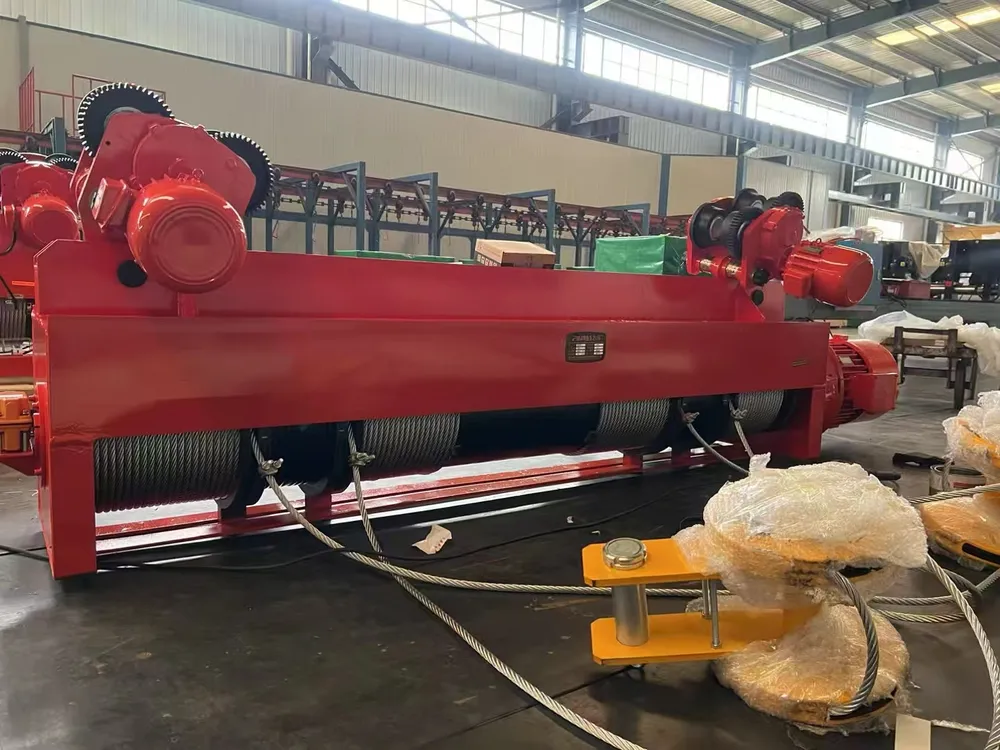
Damaged electrical components rarely fail immediately. A degraded contactor may hold for weeks before welding shut mid-lift. Replacing suspect crane electrical components after an electrical event costs far less than the failure it prevents.
Mechanical Hazards Still Deserve Daily Attention
Power lines rank first in lethality, but mechanical failures cause the most frequent incidents. Brake, rope, and hook failures develop over weeks of service. The minimum crane inspection frequency for these critical parts is a daily check before each shift.
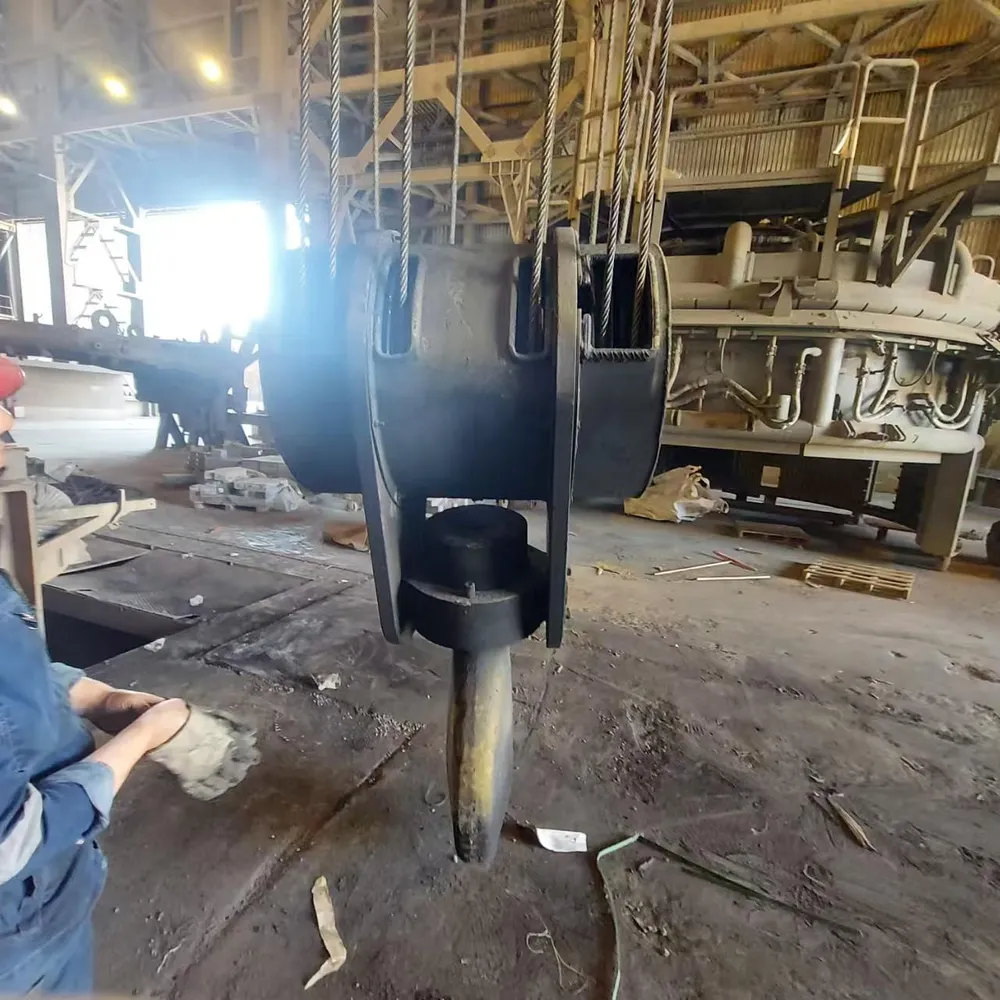
Wear limits tell you when replacement is due. Brake linings past half their rated wear and hooks past their opening limits move from inspection findings to purchase orders. Matched ক্রেন ব্রেক and rigging components keep the mechanical failure row of the hazard table from moving up.
প্রায়শই জিজ্ঞাসিত প্রশ্নাবলী
Which of the following is the most dangerous factor among crane accidents?
What is the minimum safe distance from power lines?
Why is electrocution deadlier than falling loads?
What should be inspected after a crane contacts power?
Which mechanical parts fail most often on cranes?
Reduce Every Factor, Not Just the Deadliest
Power line contact tops the fatality table, and clearance discipline answers it. Mechanical hazards answer to inspection and timely replacement.
Hanko supplies electrical components, brakes, hooks, and rigging parts for common crane models. Send us:
- নেমপ্লেটের ছবি এবং ক্রেন মডেলের তথ্য
- যন্ত্রাংশের নকশা বা যন্ত্রাংশ নম্বর
- Inspection findings that define the replacement scope
Contact Hanko today for matched replacement components that lower every line of the hazard table.
ইমেইল: info@hankocrane.com