ไม่ใช่ทุกอันตรายจากเครนจะมีความเสี่ยงทำให้คนงานเสียชีวิตเท่ากัน บันทึกอุบัติเหตุที่มีผู้เสียชีวิตแยกความแตกต่างอย่างชัดเจนระหว่างอันตรายที่ทำให้บาดเจ็บและอันตรายที่ทำให้เสียชีวิต ข้อสอบความปลอดภัยนำเสนอความแตกต่างนี้ไว้ในคำถามข้อเดียว
ปัจจัยใดต่อไปนี้เป็นปัจจัยที่อันตรายที่สุดในอุบัติเหตุเครน
ตัวอย่างเนื้อหาเด่น: การสัมผัสสายไฟฟ้าเป็นปัจจัยที่อันตรายที่สุดในอุบัติเหตุรถเครน การสอบสวนกรณีเสียชีวิตระดับรัฐบาลกลางได้ระบุมาอย่างยาวนานว่าการได้รับไฟฟ้าเป็นสาเหตุการเสียชีวิตอันดับหนึ่งในงานรถเครน หากแขนเครนหรือสายรับน้ำหนักสัมผัสสายไฟที่มีไฟฟ้า จะทำให้ผู้ควบคุมและพนักงานบนพื้นดินเสียชีวิตทันที นั่นคือเหตุผลที่มีกฎระเบียบเกี่ยวกับระยะห่างปลอดภัย
เหตุใดการสัมผัสสายไฟจึงอยู่อันดับหนึ่ง
ข้อมูลอัตราการเสียชีวิตจากหน่วยงานรัฐบาลสหรัฐอเมริกาได้จัดอันดับไฟฟ้าช็อตเป็นสาเหตุการเสียชีวิตอันดับหนึ่งที่เกี่ยวข้องกับรถเครนมานานหลายทศวรรษ การสัมผัสสายไฟฟ้าเหนือศีรษะที่มีไฟฟ้าเป็นเหตุการณ์ที่อันตรายถึงตายที่สุดเพียงอย่างเดียวในการปฏิบัติงานรถเครน
อันตรายมาจากพฤติกรรมของไฟฟ้า:
- ซองที่มองไม่เห็น: แรงดันไฟฟ้าสูงสามารถสร้างอาร์กไฟฟ้าข้ามช่องว่างอากาศได้โดยไม่ต้องสัมผัสกัน
- ซองที่มองไม่เห็น: แรงดันไฟฟ้าสูงสามารถเกิดประกายไฟข้ามช่องว่างอากาศได้โดยไม่ต้องสัมผัสกัน
- ไม่มีคำเตือน: สายไฟที่ดูเหมือนไม่มีอันตรายสามารถมีแรงดันไฟฟ้าหลายหมื่นโวลต์ได้
- เหยื่อหลายคน: พนักงานบนพื้นดินที่สัมผัสภาระหรือปั้นจั่นจะอยู่ในวงจรไฟฟ้าเดียวกัน
อุบัติเหตุปั้นจั่นส่วนใหญ่ชนิดอื่นยังมีโอกาสรอดชีวิตได้ ภาระที่หล่นลงมาจะทำให้คนงานในพื้นที่ที่อาจได้รับผลกระทบจากการตกได้รับบาดเจ็บ ปั้นจั่นพลิกคว่ำจะทำให้ผู้ควบคุมในห้องโดยสารได้รับบาดเจ็บ ส่วนการสัมผัสสายไฟฟ้าแรงสูงจะทำให้เกือบทุกคนที่อยู่ในเส้นทางกระแสไฟฟ้าเสียชีวิต
ปัจจัยสำคัญอื่นๆ เปรียบเทียบกันอย่างไร
ตัวเลือกคำตอบในข้อสอบมักระบุอันตรายหลายอย่าง แต่ละอย่างสามารถทำให้เสียชีวิตได้ในลักษณะของตัวเอง แต่สถิติผู้เสียชีวิตจะแยกความแตกต่างของพวกมันออกอย่างชัดเจน
| Hazard Factor | Primary Failure Mode | Why It Ranks Where It Does |
|---|---|---|
| Power line contact | Electrocution | Highest fatality rate; kills multiple workers at once |
| Falling loads | Struck-by injury | Survivable outside the fall zone; rigging checks reduce it |
| โอเวอร์โหลด | Structural collapse | Load charts and limiters give early protection |
| Crane tipping | Overturn | Ground checks and outrigger setup precede most lifts |
| Mechanical failure | Brake, rope, or hook break | Daily inspection of critical parts catches decay early |
For a wider view of incident types and worker-level prevention, see our guide on common crane accidents.
การป้องกันต่อปัจจัยที่อันตรายที่สุด
กฎระเบียบแก้ไขปัญหาสายไฟฟ้าโดยใช้ระยะห่าง มาตรฐานเครนของรัฐบาลกลางกำหนดระยะห่างขั้นต่ำ 20 ฟุตจากสายไฟที่มีแรงดันไฟฟ้าสูงถึง 350 กิโลโวลต์ สำหรับสายไฟที่มีแรงดันสูงกว่านั้น ระยะห่างที่กำหนดจะเพิ่มเป็น 50 ฟุต บวกกับระยะห่างเพิ่มเติมสำหรับทุกๆ 50 กิโลโวลต์ที่เพิ่มขึ้น
สามตัวควบคุมทำงานร่วมกัน:
- การสำรวจพื้นที่ก่อนยกของ: ระบุสายไฟที่มีไฟฟ้าทุกเสียก่อนติดตั้งอุปกรณ์
- การห่อหุ้ม: สิ่งกั้นฉนวนหรือฝาครอบสายไฟสำหรับงานภายในระยะห่างปลอดภัย
- ผู้สังเกตที่ได้รับมอบหมาย: ผู้สังเกตเฉพาะทางเมื่อแขนกลทำงานใกล้สายไฟ
จะไม่ดำเนินการยกของใกล้สายไฟฟ้า หากไม่มีเงื่อนไขทั้งสามอย่างครบถ้วน
What Power Contact Does to the Machine
A crane that survives an electrical event is not ready to work. Current entering through the boom or rope grounds through the machine itself. The damage concentrates in the electrical system.
After any suspected contact, inspectors check:
- Contactors and control relays for welded contacts and insulation damage.
- Variable frequency drives for surge damage beyond their rating.
- Motor windings for insulation breakdown.
- Wire rope for burn marks and arc welding points along the line.
- Hook and block assemblies for current exit burns.
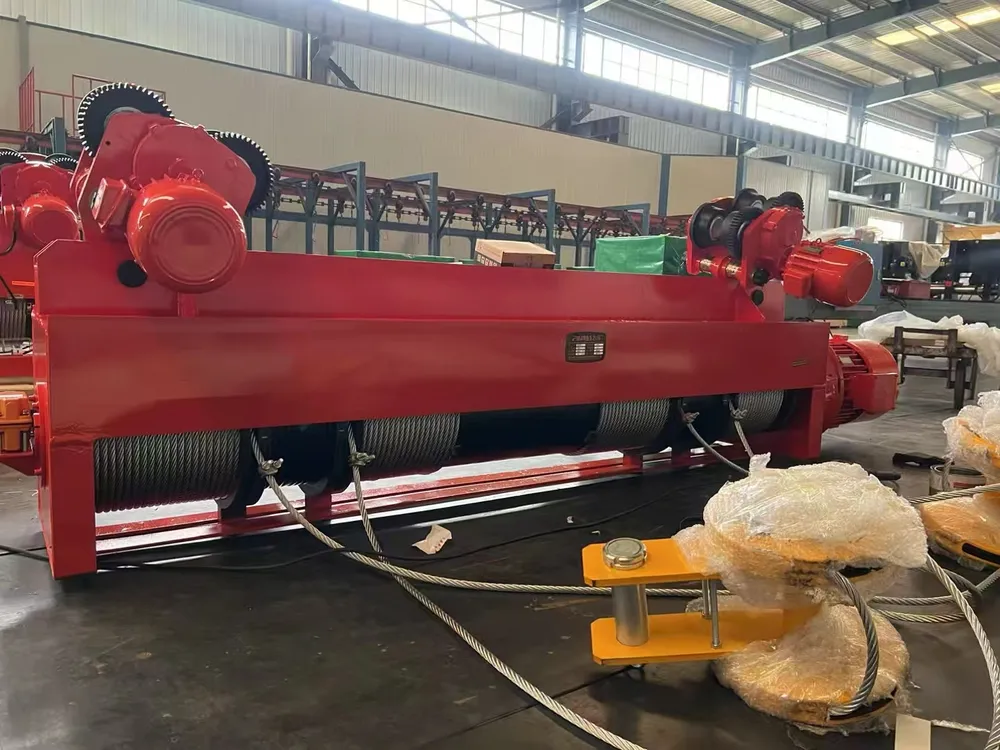
Damaged electrical components rarely fail immediately. A degraded contactor may hold for weeks before welding shut mid-lift. Replacing suspect crane electrical components after an electrical event costs far less than the failure it prevents.
Mechanical Hazards Still Deserve Daily Attention
Power lines rank first in lethality, but mechanical failures cause the most frequent incidents. Brake, rope, and hook failures develop over weeks of service. The minimum crane inspection frequency for these critical parts is a daily check before each shift.
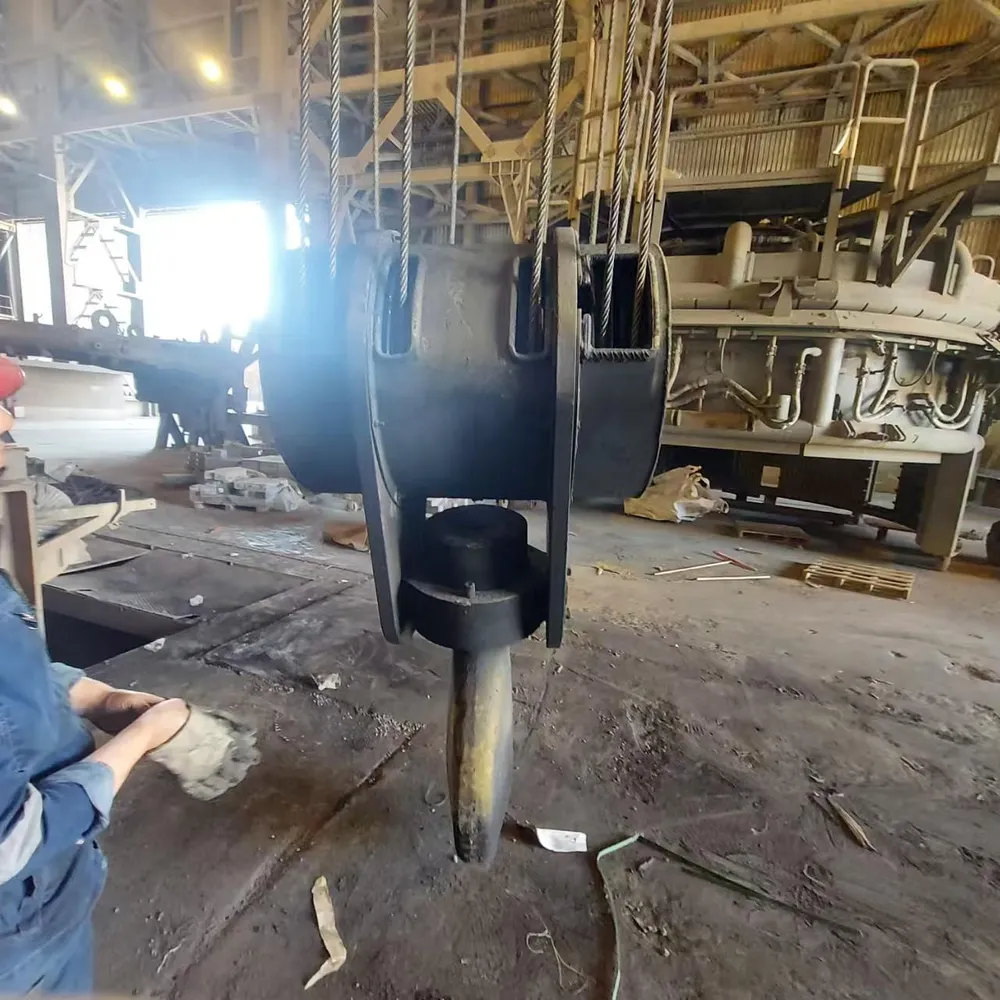
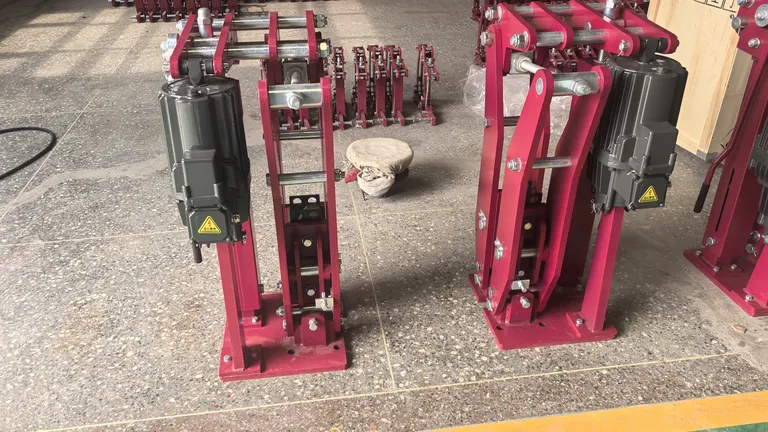
Wear limits tell you when replacement is due. Brake linings past half their rated wear and hooks past their opening limits move from inspection findings to purchase orders. Matched ระบบเบรกเครน and rigging components keep the mechanical failure row of the hazard table from moving up.
คำถามที่พบบ่อย
Which of the following is the most dangerous factor among crane accidents?
What is the minimum safe distance from power lines?
Why is electrocution deadlier than falling loads?
What should be inspected after a crane contacts power?
Which mechanical parts fail most often on cranes?
Reduce Every Factor, Not Just the Deadliest
Power line contact tops the fatality table, and clearance discipline answers it. Mechanical hazards answer to inspection and timely replacement.
Hanko supplies electrical components, brakes, hooks, and rigging parts for common crane models. Send us:
- รูปภาพป้ายชื่อและข้อมูลรุ่นเครน
- ภาพวาดชิ้นส่วนหรือหมายเลขชิ้นส่วน
- Inspection findings that define the replacement scope
Contact Hanko today for matched replacement components that lower every line of the hazard table.
อีเมล: info@hankocrane.com