Tidak setiap bahaya kren membawa risiko yang sama untuk mengorbankan pekerja. Rekod kematian membezakan dengan jelas antara bahaya yang menyebabkan kecederaan dan bahaya yang menyebabkan kematian. Peperiksaan keselamatan menangkap perbezaan ini dalam satu soalan.
Antara berikut, yang manakah merupakan faktor paling berbahaya dalam kemalangan kren?
Makluman Utama Sentuhan talian kuasa merupakan faktor paling berbahaya dalam kemalangan kren. Siasatan kematian persekutuan telah lama menyenaraikan renjatan elektrik sebagai punca utama kematian dalam kerja kren. Lengan kren atau talian beban yang menyentuh talian bertenaga boleh mengakibatkan kematian serta-merta kepada pengendali dan kakitangan di atas tanah. Itulah sebabnya peraturan jarak bebas diperlukan.
Mengapa Sentuhan Talian Kuasa Menduduki Kedudukan Pertama
Data kematian persekutuan telah meletakkan renjatan elektrik sebagai punca utama kematian berkaitan kren selama beberapa dekad. Sentuhan dengan talian atas bertenaga masih merupakan kejadian paling maut dalam operasi kren.
Bahaya itu berasal daripada cara elektrik berkelakuan:
- Sampul tidak kelihatan: voltan tinggi boleh menghasilkan arka merentasi celah udara tanpa sebarang sentuhan.
- Sampul tidak kelihatan: voltan tinggi boleh menghasilkan arka merentasi celah udara tanpa sebarang sentuhan.
- Tiada amaran: talian yang kelihatan tidak berbahaya boleh membawa berpuluh-puluh ribu volt.
- Berbilang mangsa: pekerja di tanah yang menyentuh beban atau kren berkongsi litar.
Kebanyakan kemalangan kren lain mempunyai margin yang membolehkan mangsa terselamat. Beban yang jatuh mencederakan pekerja di zon jatuh. Kren yang terbalik mencederakan pengendali di dalam kabin. Sentuhan dengan talian kuasa membunuh hampir semua orang yang berada di laluan arus elektrik.
Bagaimana Faktor-Faktor Utama Lain Berbanding
Pilihan jawapan peperiksaan biasanya menyenaraikan beberapa bahaya. Setiap satu boleh membawa maut dengan caranya sendiri, namun rekod kematian membezakannya dengan jelas.
| Hazard Factor | Primary Failure Mode | Why It Ranks Where It Does |
|---|---|---|
| Power line contact | Electrocution | Highest fatality rate; kills multiple workers at once |
| Falling loads | Struck-by injury | Survivable outside the fall zone; rigging checks reduce it |
| Beban berlebihan | Structural collapse | Load charts and limiters give early protection |
| Crane tipping | Overturn | Ground checks and outrigger setup precede most lifts |
| Mechanical failure | Brake, rope, or hook break | Daily inspection of critical parts catches decay early |
For a wider view of incident types and worker-level prevention, see our guide on kemalangan kren biasa.
Pertahanan Terhadap Faktor Paling Mematikan
Peraturan ini menyelesaikan masalah talian kuasa berdasarkan jarak. Standard kren persekutuan menetapkan kelegaan minimum 20 kaki daripada talian yang berkuasa sehingga 350 kV. Melebihi kuasa tersebut, jarak yang diperlukan meningkat kepada 50 kaki ditambah jarak tambahan untuk setiap peningkatan 50 kV.
Tiga kawalan berfungsi bersama:
- Kajian tapak pra-angkat: kenal pasti setiap talian bertenaga sebelum pemasangan.
- Pembungkusan: penghalang penebat atau penutup talian untuk kerja di dalam kelegaan.
- Pemerhati yang ditentukan: pemerhati khas ketika lengan jentera berhampiran talian.
Tiada pengangkatan berhampiran talian kuasa akan dilakukan tanpa ketiga-ketiga syarat ini dipenuhi.
What Power Contact Does to the Machine
A crane that survives an electrical event is not ready to work. Current entering through the boom or rope grounds through the machine itself. The damage concentrates in the electrical system.
After any suspected contact, inspectors check:
- Contactors and control relays for welded contacts and insulation damage.
- Variable frequency drives for surge damage beyond their rating.
- Motor windings for insulation breakdown.
- Wire rope for burn marks and arc welding points along the line.
- Hook and block assemblies for current exit burns.
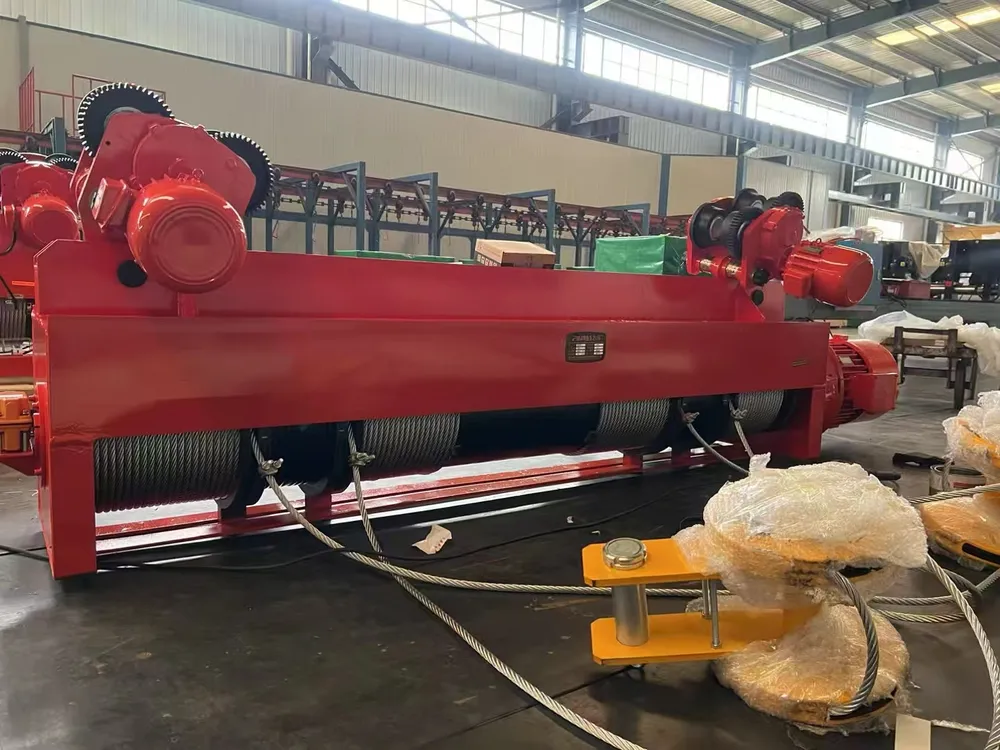
Damaged electrical components rarely fail immediately. A degraded contactor may hold for weeks before welding shut mid-lift. Replacing suspect crane electrical components after an electrical event costs far less than the failure it prevents.
Mechanical Hazards Still Deserve Daily Attention
Power lines rank first in lethality, but mechanical failures cause the most frequent incidents. Brake, rope, and hook failures develop over weeks of service. The minimum crane inspection frequency for these critical parts is a daily check before each shift.
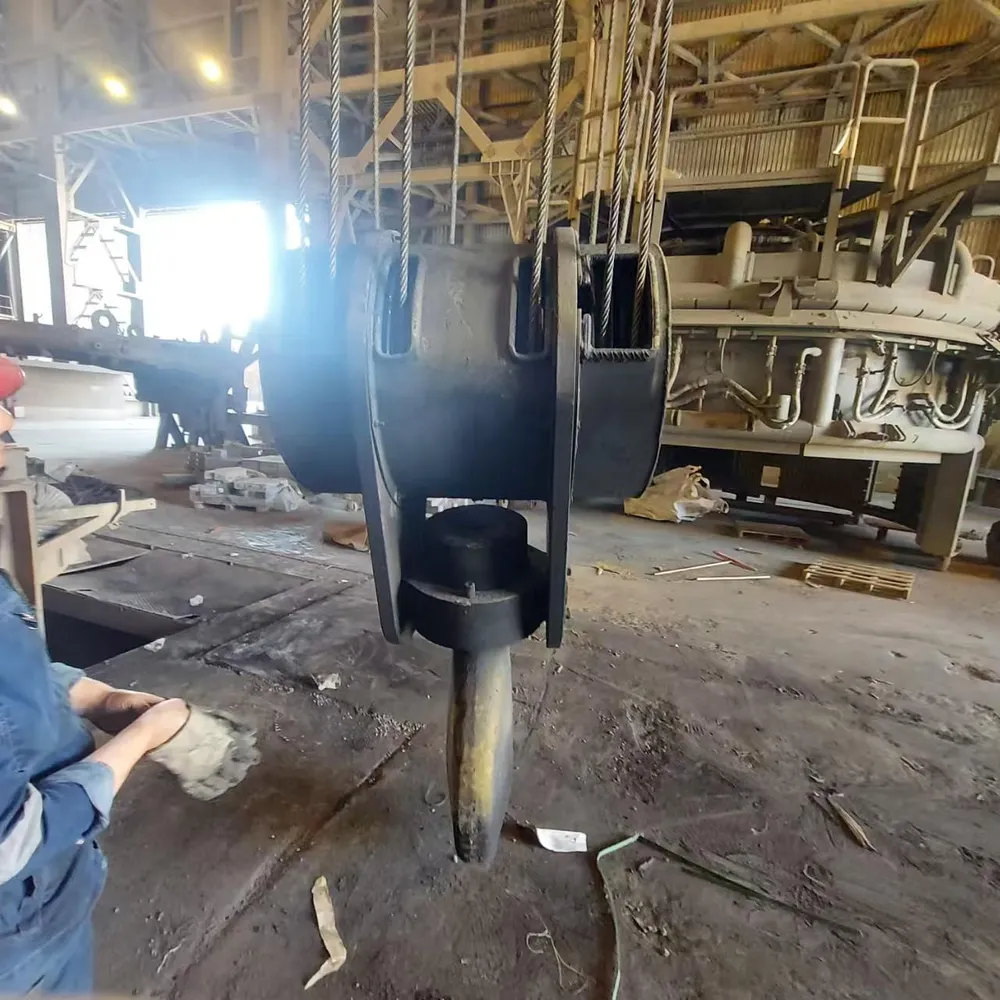
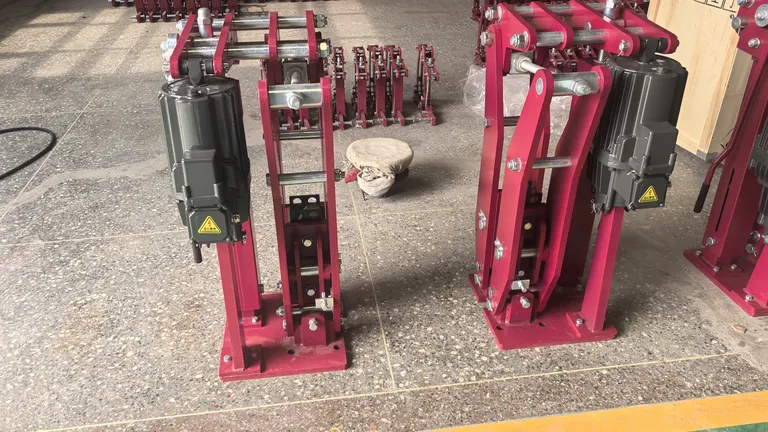
Wear limits tell you when replacement is due. Brake linings past half their rated wear and hooks past their opening limits move from inspection findings to purchase orders. Matched brek kren and rigging components keep the mechanical failure row of the hazard table from moving up.
Soalan Lazim
Which of the following is the most dangerous factor among crane accidents?
What is the minimum safe distance from power lines?
Why is electrocution deadlier than falling loads?
What should be inspected after a crane contacts power?
Which mechanical parts fail most often on cranes?
Reduce Every Factor, Not Just the Deadliest
Power line contact tops the fatality table, and clearance discipline answers it. Mechanical hazards answer to inspection and timely replacement.
Hanko supplies electrical components, brakes, hooks, and rigging parts for common crane models. Send us:
- Foto papan nama dan maklumat model kren
- Lukisan bahagian atau nombor bahagian
- Inspection findings that define the replacement scope
Contact Hanko today for matched replacement components that lower every line of the hazard table.
Emel: info@hankocrane.com