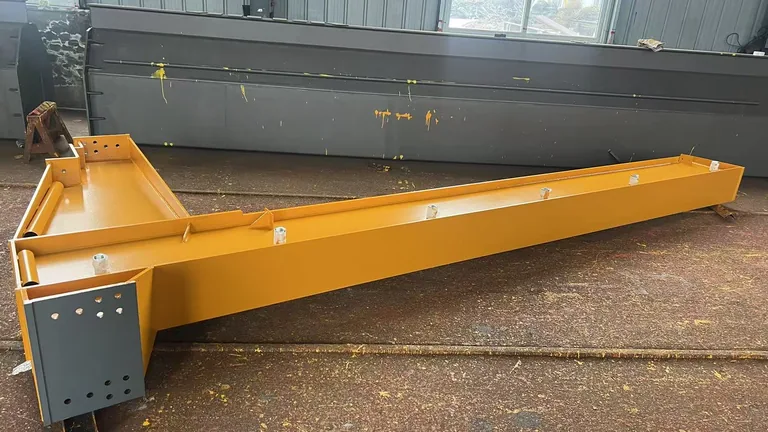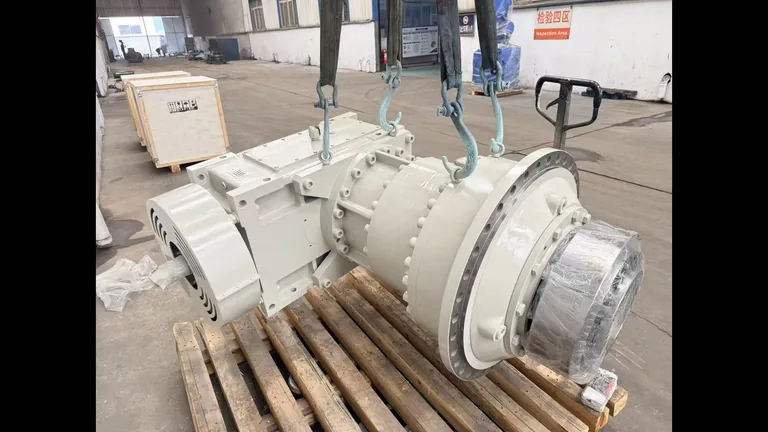
Non tutti i pericoli legati alle gru comportano lo stesso rischio di uccidere un lavoratore. I registri dei decessi tracciano una netta distinzione tra i pericoli che causano lesioni e quelli che causano la morte. Gli esami di sicurezza riassumono questa distinzione in una sola domanda.
Quale dei seguenti è il fattore più pericoloso tra gli incidenti con le gru?
Estratto in evidenza: Il contatto con la linea elettrica è il fattore più pericoloso tra gli incidenti di gru. Le indagini federali sui decessi hanno da tempo classificato l'elettrocuzione come la principale causa di morte nel lavoro con le gru. Un braccio o una fune di carico che tocca una linea sotto tensione uccide immediatamente gli operatori e il personale a terra. Ecco perché esistono le norme sulle distanze di sicurezza.
Perché il contatto con linee elettriche è al primo posto
I dati federali sulle fatalità hanno collocato l'elettrocuzione al primo posto tra i decessi legati alle gru per decenni. Il contatto con linee aeree sotto tensione rimane l'evento più letale nelle operazioni con le gru.
Il pericolo deriva dal comportamento dell'elettricità:
- Busta invisibile: l'alta tensione può creare un arco attraverso un traferro senza alcun contatto.
- Busta invisibile: l'alta tensione può generare un arco attraverso un traferro senza alcun contatto.
- Nessun avvertimento: una linea che sembra inerte può trasportare decine di migliaia di volt.
- Più vittime: gli operatori a terra che toccano il carico o la gru condividono il circuito.
La maggior parte degli altri incidenti con gru lascia un margine di sopravvivenza. Un carico caduto ferisce i lavoratori nella zona di caduta. Una gru ribaltata ferisce l'operatore nella cabina. Il contatto con linee elettriche uccide quasi tutti coloro che si trovano nel percorso della corrente.
Come si confrontano gli altri fattori principali
Le opzioni di risposta dell'esame elencano tipicamente diversi pericoli. Ognuno è mortale a suo modo, ma i dati sui decessi li distinguono chiaramente.
| Hazard Factor | Primary Failure Mode | Why It Ranks Where It Does |
|---|---|---|
| Power line contact | Electrocution | Highest fatality rate; kills multiple workers at once |
| Falling loads | Struck-by injury | Survivable outside the fall zone; rigging checks reduce it |
| Sovraccarico | Structural collapse | Load charts and limiters give early protection |
| Crane tipping | Overturn | Ground checks and outrigger setup precede most lifts |
| Mechanical failure | Brake, rope, or hook break | Daily inspection of critical parts catches decay early |
For a wider view of incident types and worker-level prevention, see our guide on common crane accidents.
La difesa contro il fattore più letale
Le regole risolvono il problema delle linee elettriche basandosi sulla distanza. Gli standard federali per le gru prevedono una distanza minima di 20 piedi dalle linee con tensione fino a 350 kV. Oltre tale tensione, la distanza richiesta sale a 50 piedi più una distanza aggiuntiva per ogni 50 kV in più.
Tre controlli funzionano insieme:
- Sopralluogo preliminare al sollevamento: identificare ogni linea sotto tensione prima dell'allestimento.
- Incapsulamento: barriere isolanti o coperture per linee per lavori all'interno della zona di sicurezza.
- Osservatore designato: osservatore dedicato quando il braccio lavora vicino alle linee.
Nessuna movimentazione con sollevatore vicino alle linee elettriche può iniziare senza che tutti e tre siano presenti.
What Power Contact Does to the Machine
A crane that survives an electrical event is not ready to work. Current entering through the boom or rope grounds through the machine itself. The damage concentrates in the electrical system.
After any suspected contact, inspectors check:
- Contactors and control relays for welded contacts and insulation damage.
- Variable frequency drives for surge damage beyond their rating.
- Motor windings for insulation breakdown.
- Wire rope for burn marks and arc welding points along the line.
- Hook and block assemblies for current exit burns.
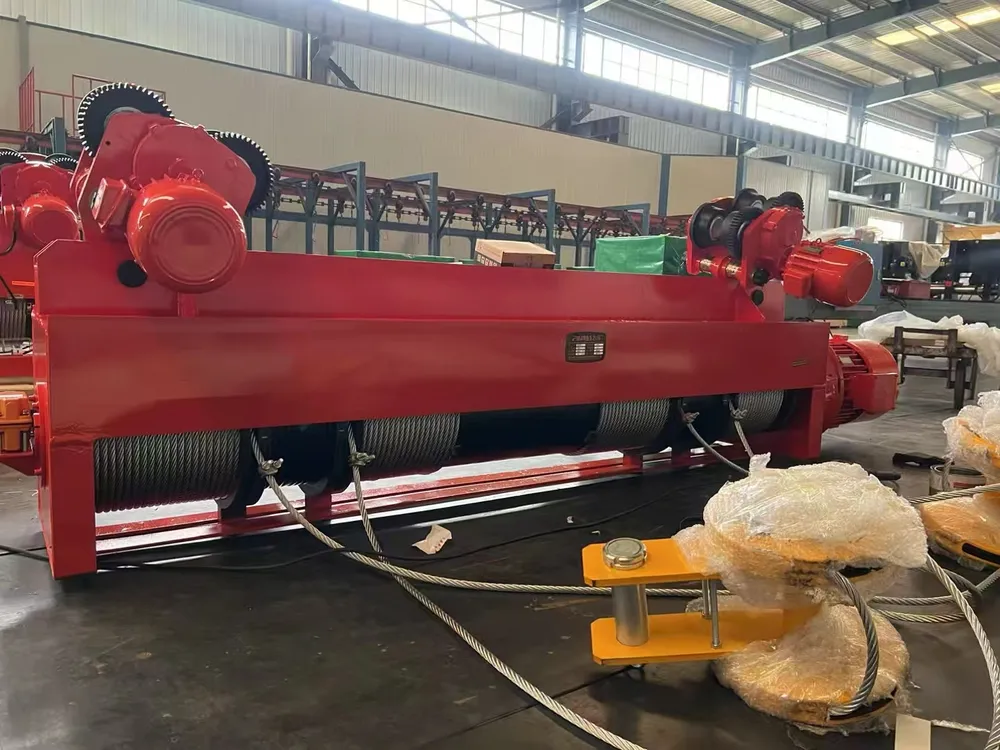
Damaged electrical components rarely fail immediately. A degraded contactor may hold for weeks before welding shut mid-lift. Replacing suspect crane electrical components after an electrical event costs far less than the failure it prevents.
Mechanical Hazards Still Deserve Daily Attention
Power lines rank first in lethality, but mechanical failures cause the most frequent incidents. Brake, rope, and hook failures develop over weeks of service. The minimum crane inspection frequency for these critical parts is a daily check before each shift.
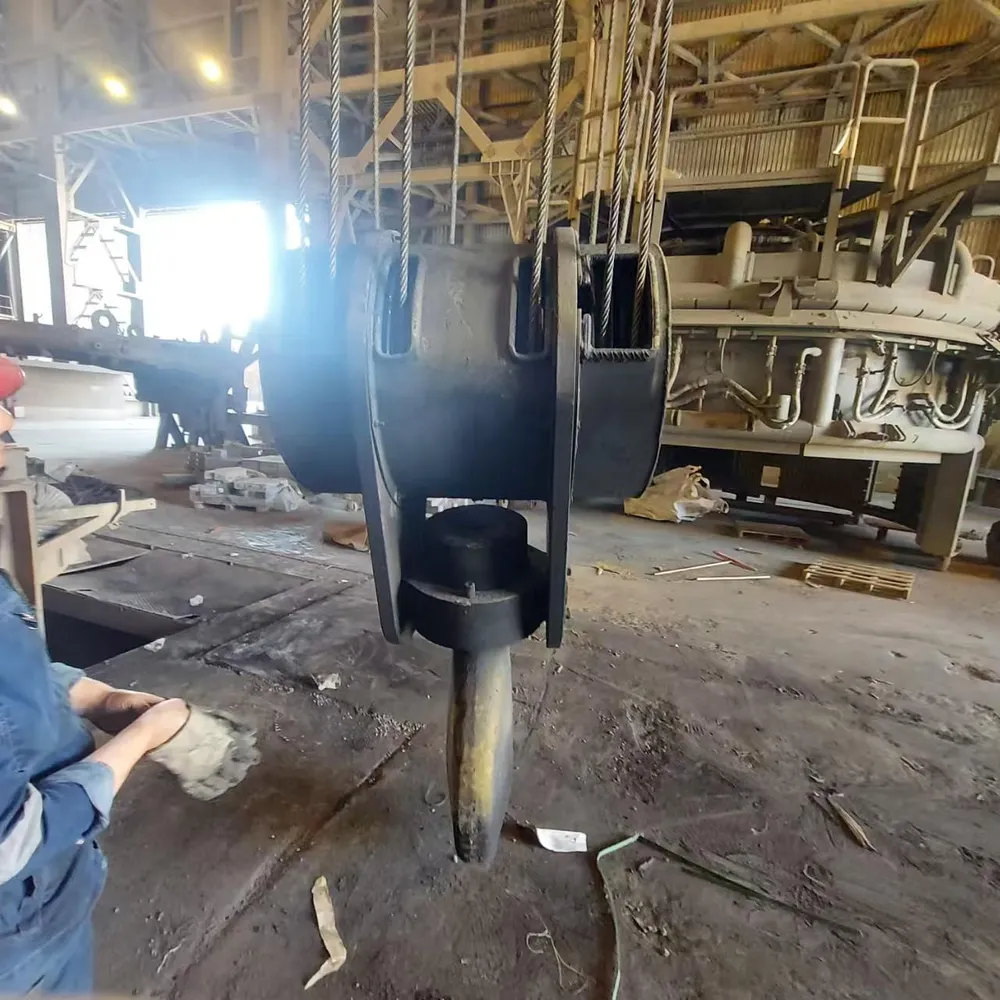
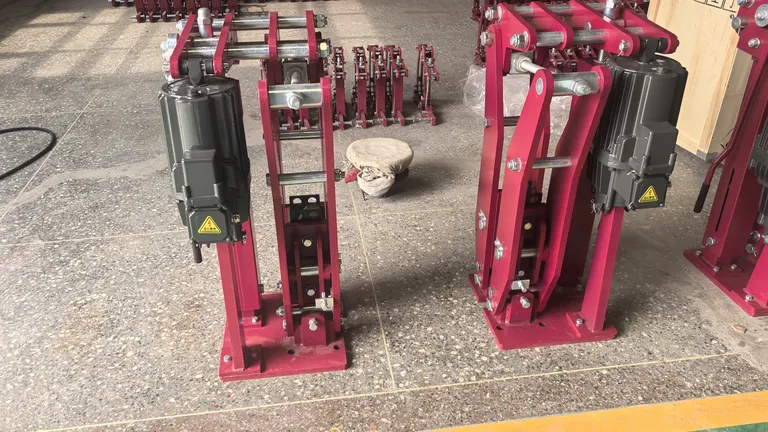
Wear limits tell you when replacement is due. Brake linings past half their rated wear and hooks past their opening limits move from inspection findings to purchase orders. Matched freni della gru and rigging components keep the mechanical failure row of the hazard table from moving up.
FAQ
Which of the following is the most dangerous factor among crane accidents?
What is the minimum safe distance from power lines?
Why is electrocution deadlier than falling loads?
What should be inspected after a crane contacts power?
Which mechanical parts fail most often on cranes?
Reduce Every Factor, Not Just the Deadliest
Power line contact tops the fatality table, and clearance discipline answers it. Mechanical hazards answer to inspection and timely replacement.
Hanko supplies electrical components, brakes, hooks, and rigging parts for common crane models. Send us:
- Foto della targhetta identificativa e informazioni sul modello della gru
- Disegni o codici dei componenti
- Inspection findings that define the replacement scope
Contact Hanko today for matched replacement components that lower every line of the hazard table.
E-mail: info@hankocrane.com