Nie elke kraangevaar hou dieselfde risiko in om 'n werker te dood nie. Sterfterekords trek 'n skerp lyn tussen gevare wat beseer en gevare wat doodmaak. Veiligheidseksamens vang daardie lyn in 'n enkele vraag vas.
Watter van die volgende is die gevaarlikste faktor onder kraanongelukke?
Uitgeligte brokkie: Kraglynkontak is die gevaarlikste faktor onder kraanongelukke. Federale sterfte-ondersoeke liasseer lank reeds elektrisiteitsskoking as die voorste moordenaar in kraanwerk. 'n Boom of laaitou wat 'n aangedrewe lyn raak, maak operateurs en grondpersoneel tegelyk dood. Dit is waarom spelingreëls bestaan.
Waarom Kraglynkontak Eerste Rangskik
Federale sterftedata rangskik elektrisiteitsskoking al dekades lank bo aan kraanverwante sterftes. Kontak met aangedrewe oorhoofse lyne bly die enkele mees dodelike gebeurtenis in kraanbedrywighede.
Die gevaar kom van hoe elektrisiteit optree:
- Onsigbare koevert: hoë spanning kan oor 'n luggaping vonk sonder enige kontak.
- Onmiddellike dodelikheid: stroom gaan gelyktydig deur die boom, die tou en die operateur.
- Geen waarskuwing nie: 'n lyn wat onaktief lyk, kan tienduisende volt dra.
- Meervoudige slagoffers: grondwerkers wat die las of die kraan raak, deel die stroombaan.
Die meeste ander kraanongelukke bied 'n oorleefbare marge. 'n Valende las beseer werkers in die valwatersone. 'n Omgeslaande kraan beseer die operateur in die kajuit. Kraglynkontak maak amper almal in die stroombaan dood.
Hoe die ander groot faktore vergelyk
Eksamenantwoordopsies lys tipies vairge gevare. Elkeen is op sy eie manier dodelik, maar die sterfterekords skei hulle duidelik.
| Hazard Factor | Primary Failure Mode | Why It Ranks Where It Does |
|---|---|---|
| Power line contact | Electrocution | Highest fatality rate; kills multiple workers at once |
| Falling loads | Struck-by injury | Survivable outside the fall zone; rigging checks reduce it |
| Oorlading | Structural collapse | Load charts and limiters give early protection |
| Crane tipping | Overturn | Ground checks and outrigger setup precede most lifts |
| Mechanical failure | Brake, rope, or hook break | Daily inspection of critical parts catches decay early |
For a wider view of incident types and worker-level prevention, see our guide on common crane accidents.
Die Verdediging Teen die Dodelikste Faktor
Die reëls los die kraglynprobleem met afstand op. Federale kraanstandaarde vereis 'n minimum speling van 20 voet van lyne wat tot 350 kV gegradeer is. Bo daardie gradering styg die vereiste afstand tot 50 voet plus addisionele afstand per bygevoegde 50 kV.
Drie kontroles werk saam:
- Voorhyser-terreinopname: identifiseer elke aangedrewe lyn voor opstelling.
- Inkapseling: isolerende versperrings of lynomslae vir werk binne speling.
- Aangewese spotter: toegewyde waarnemer wanneer die boom naby lyne werk.
Geen hyser naby kraglyne gaan voort sonder dat al drie in plek is nie.
What Power Contact Does to the Machine
A crane that survives an electrical event is not ready to work. Current entering through the boom or rope grounds through the machine itself. The damage concentrates in the electrical system.
After any suspected contact, inspectors check:
- Contactors and control relays for welded contacts and insulation damage.
- Variable frequency drives for surge damage beyond their rating.
- Motor windings for insulation breakdown.
- Wire rope for burn marks and arc welding points along the line.
- Hook and block assemblies for current exit burns.
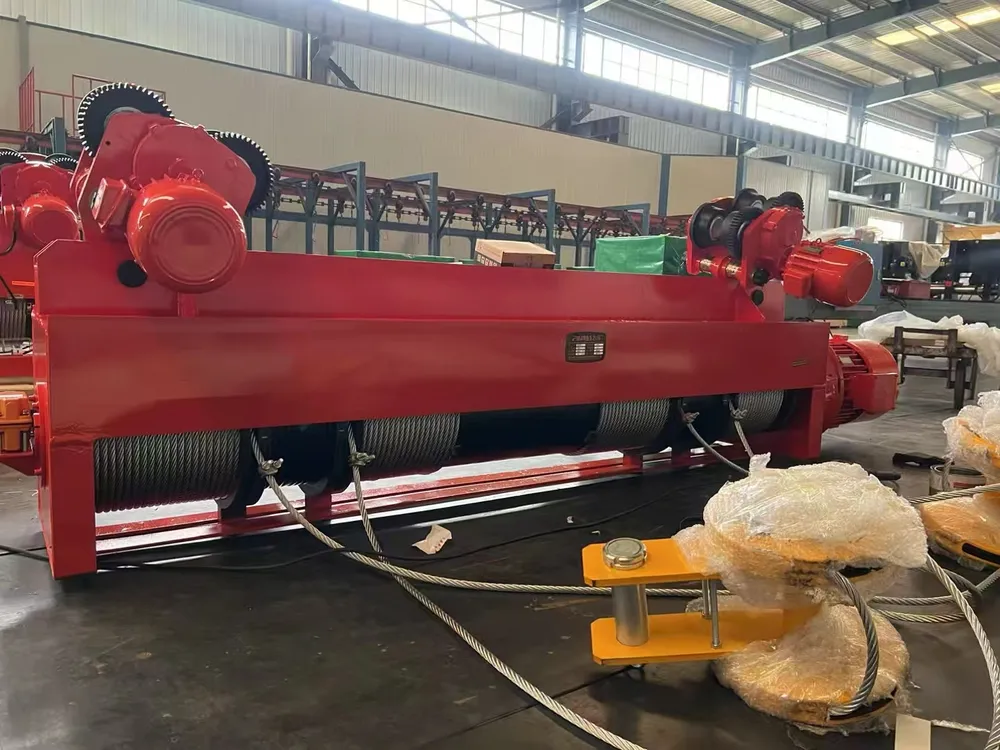
Damaged electrical components rarely fail immediately. A degraded contactor may hold for weeks before welding shut mid-lift. Replacing suspect crane electrical components after an electrical event costs far less than the failure it prevents.
Mechanical Hazards Still Deserve Daily Attention
Power lines rank first in lethality, but mechanical failures cause the most frequent incidents. Brake, rope, and hook failures develop over weeks of service. The minimum crane inspection frequency for these critical parts is a daily check before each shift.
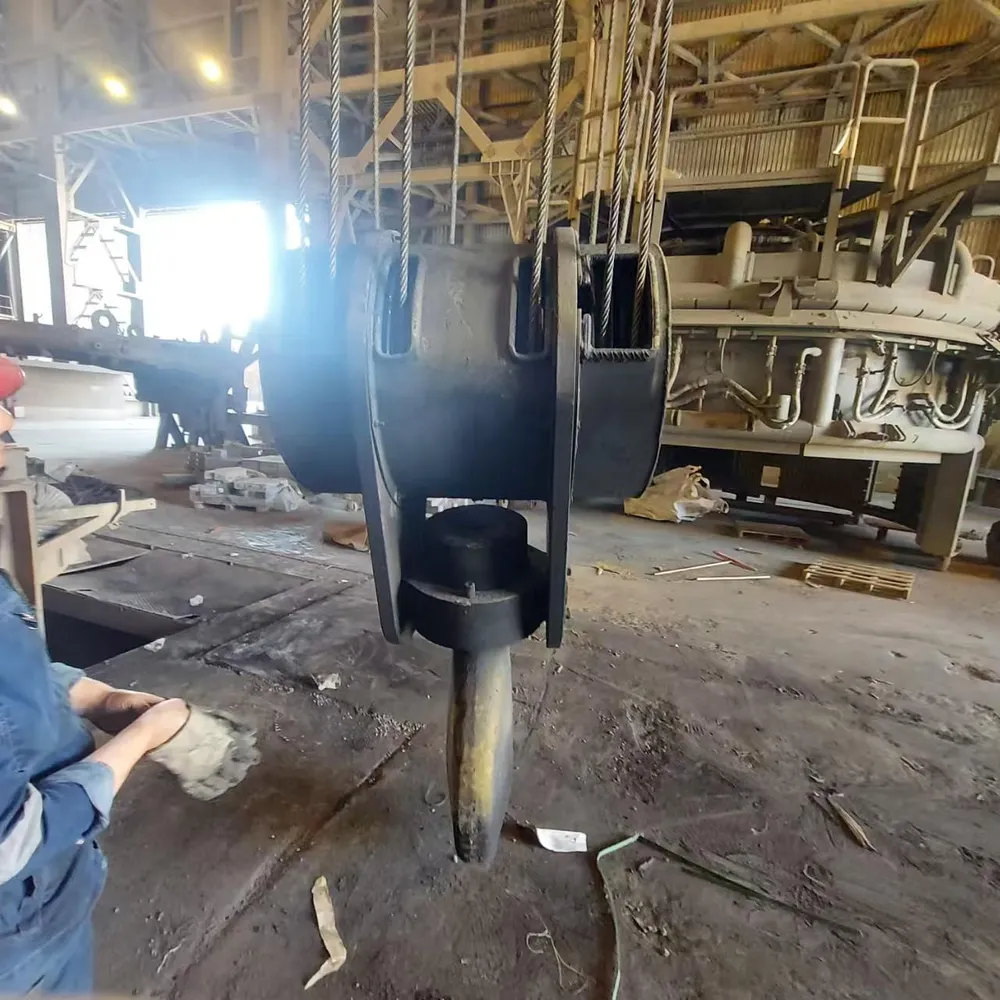
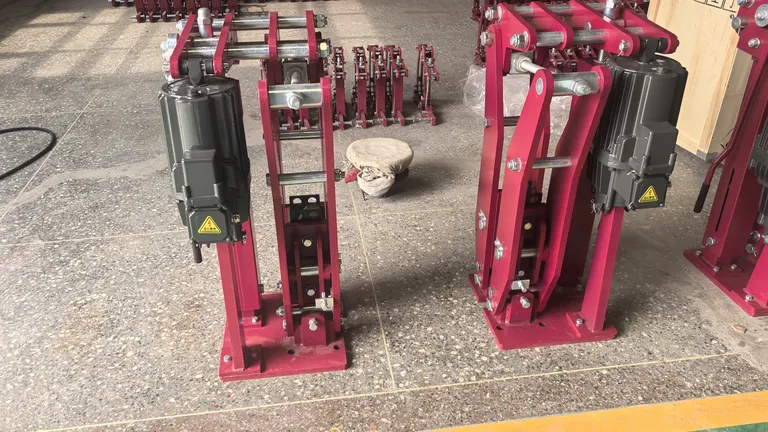
Wear limits tell you when replacement is due. Brake linings past half their rated wear and hooks past their opening limits move from inspection findings to purchase orders. Matched kraanremme and rigging components keep the mechanical failure row of the hazard table from moving up.
Gereelde vrae
Which of the following is the most dangerous factor among crane accidents?
What is the minimum safe distance from power lines?
Why is electrocution deadlier than falling loads?
What should be inspected after a crane contacts power?
Which mechanical parts fail most often on cranes?
Reduce Every Factor, Not Just the Deadliest
Power line contact tops the fatality table, and clearance discipline answers it. Mechanical hazards answer to inspection and timely replacement.
Hanko supplies electrical components, brakes, hooks, and rigging parts for common crane models. Send us:
- Naamplaatfoto's en kraanmodelinligting
- Onderdeeltekeninge of onderdeelnommers
- Inspection findings that define the replacement scope
Contact Hanko today for matched replacement components that lower every line of the hazard table.
E-pos: info@hankocrane.com