
Wire rope drums are one of the most important components in an overhead crane hoisting system. A properly designed crane rope drum ensures smooth wire rope winding, reduces rope wear, improves lifting safety, and extends the service life of both the rope and hoist mechanism.
On the other hand, poor drum design can lead to rope crushing, uneven winding, accelerated wear, and even load-handling failures.
In this guide, we explain the key design considerations for overhead crane wire rope drums, including drum types, diameter calculations, groove geometry, material selection, and industry standards.
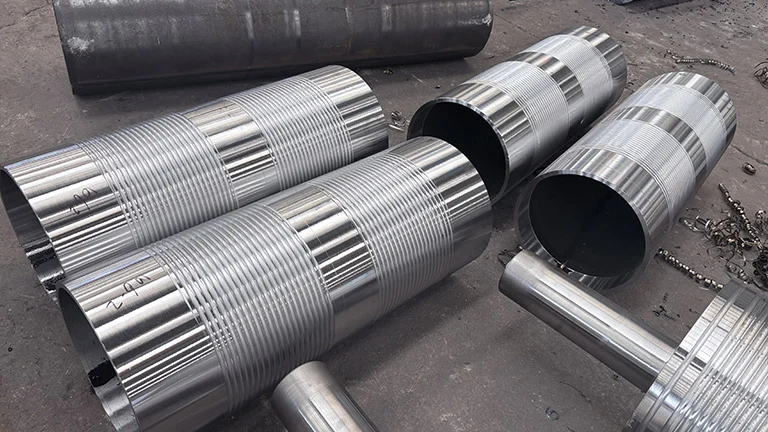
What Is a Crane Rope Drum?
A crane rope drum is a cylindrical component that winds and stores wire rope during lifting operations. It transfers torque from the gearbox and motor to the wire rope, allowing the crane hook to move up and down safely. Proper drum design minimizes rope wear, maintains winding accuracy, and improves crane reliability.
Why Crane Rope Drum Design Matters
The wire rope drum directly affects:
- Wire rope lifespan
- Hoisting efficiency
- Load safety
- Maintenance frequency
- Crane operating costs
A well-designed drum helps:
✅ Reduce rope abrasion
✅ Prevent rope overlap and tangling
✅ Improve load positioning accuracy
✅ Lower maintenance expenses
✅ Extend equipment service life
For heavy-duty cranes operating in steel mills, ports, and manufacturing plants, drum design becomes even more critical.
Main Types of Crane Rope Drums
Single-Layer Rope Drum
Single-layer winding drums are the preferred choice whenever space allows.
Advantages
- Lower rope wear
- Better rope alignment
- Easier inspection
- Longer service life
Applications
- Overhead cranes
- Workshop cranes
- Gantry cranes
- Standard electric hoists
Most industrial lifting systems use grooved single-layer drums to maintain consistent rope positioning.
Multi-Layer Rope Drum
When lifting heights are large and rope storage requirements increase, multi-layer drums become necessary.
Advantages
- Compact design
- Greater rope capacity
- Suitable for long lifting heights
Considerations
- Increased rope wear
- More complex winding patterns
- Higher maintenance requirements
For safety, drum flange height should typically be at least 0.5 times the wire rope diameter to prevent rope derailment.
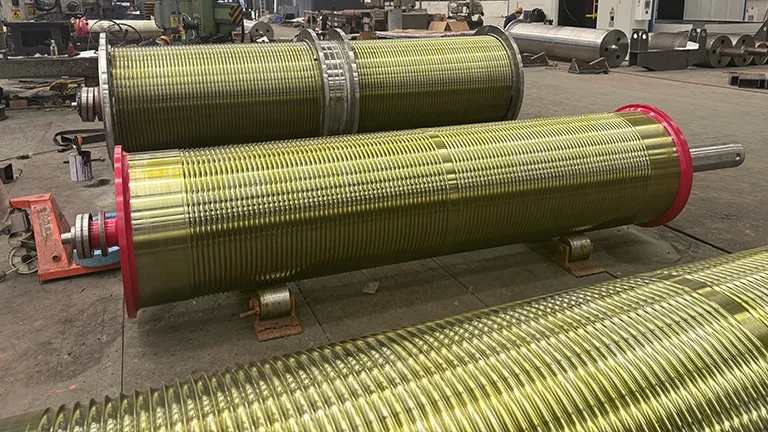
How to Determine the Correct Drum Diameter
Drum diameter is one of the most important design parameters.
Industry standards generally use:
D ≥ h₁ × t × d
Where:
- D= Drum groove bottom diameter
- d= Wire rope diameter
- h₁= Drum selection factor
- t= Rope type factor
The required diameter increases with crane duty class.
|
Crane Duty Class |
Typical h₁ Value |
|
M1 |
11.2 |
|
M2-M4 |
14-18 |
| M5-M6 |
18-22 |
| M7-M8 |
22-25 |
Why Larger Drum Diameters Matter
A larger drum diameter:
- Reduces rope bending stress
- Extends wire rope life
- Improves fatigue resistance
- Lowers maintenance costs
For high-duty cranes, undersized drums often become a major cause of premature rope failure.
Rope Groove Design Requirements
The groove profile determines how smoothly the wire rope winds onto the drum.
Groove Radius
Recommended groove radius:
0.525 – 0.550 × rope diameter
Optimal value:
0.537 × rope diameter
This range provides adequate support while minimizing rope deformation.
Groove Pitch
Typical groove pitch:
Wire Rope Diameter + 2–4 mm
Proper spacing ensures:
- Tight rope winding
- Reduced crushing
- Better layer alignment
Groove Direction
The groove direction should match the rope lay.
| Rope Type | Groove Direction |
|
Right-hand lay rope |
Left-hand groove |
| Left-hand lay rope |
Right-hand groove |
Correct matching improves rope tracking and service life.
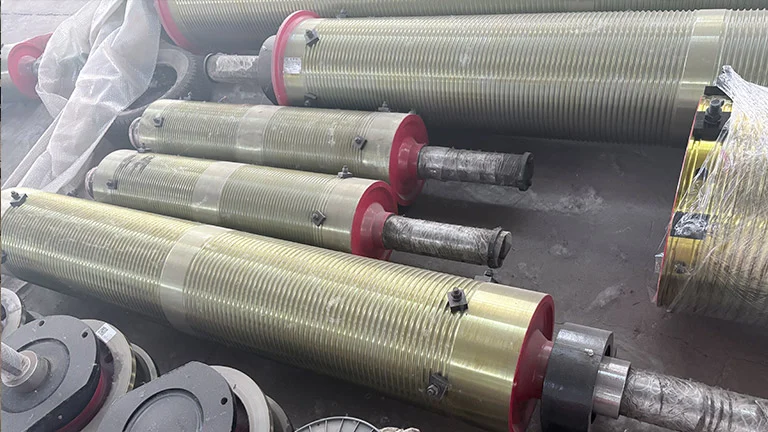
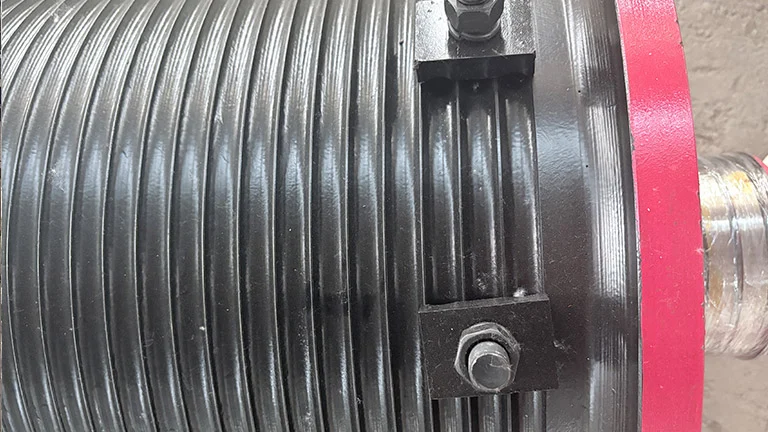
Wire Rope Fixing Methods
The rope end must be securely anchored to the drum.
Common fixing methods include:
Pressure Plate Fixing
- Widely used
- Easy maintenance
- High reliability
Wedge Socket Fixing
- Strong holding capacity
- Suitable for heavy-duty applications
Bolt Clamping Systems
- Cost-effective
- Common on smaller cranes
Safety Requirement
The fixing system should withstand at least:
2.5 times the maximum working rope load
In addition:
- Minimum 2 safety wraps should remain on the drum
- Tower cranes generally require at least 3 safety wraps
Best Materials for Crane Rope Drums
Material selection affects durability and load capacity.
Cast Iron Drums
Common grades:
- HT150
- HT200
- HT250
- HT300
Advantages
- Economical
- Good vibration damping
- Suitable for light-duty cranes
Ductile Iron Drums
Common grade:
- QT500-7
Advantages
- Improved strength
- Better impact resistance
- Longer service life
Welded Steel Drums
Common materials:
- Q235B
- Q345B
Advantages
- High strength
- Excellent fatigue resistance
- Ideal for heavy-duty cranes
Most modern industrial cranes use welded steel drums due to their superior structural performance.
Controlling Fleet Angle
Fleet angle refers to the angle between the rope and the drum groove.
Excessive fleet angles cause:
- Rope rubbing
- Uneven winding
- Rope damage
- Groove wear
Recommended limits:
|
Application |
Maximum Fleet Angle |
|
Drum Grooves |
≤ 3.5° |
| Sheave Grooves |
≤ 5° |
How to Reduce Fleet Angle
Engineers typically:
- Increase drum diameter
- Optimize sheave locations
- Adjust rope routing
- Improve hoist geometry
These measures significantly improve rope life.
Common Crane Rope Drum Problems
Uneven Rope Winding
Causes
- Incorrect groove pitch
- Excessive fleet angle
- Misaligned sheaves
Solution
- Re-machine grooves
- Realign rope path
- Inspect guide mechanisms
Rope Crushing
Causes
- Drum diameter too small
- Multi-layer pressure
- Overloading
Solution
- Upgrade drum design
- Increase drum diameter
- Verify lifting loads
Drum Surface Cracking
Causes
- Material defects
- Fatigue loading
- Poor welding quality
Solution
- Conduct NDT inspections
- Repair or replace damaged drums
- Use higher-strength materials
Industry Standards for Crane Rope Drum Design
Reliable drum design should comply with recognized standards such as:
- GB/T 3811-2008 Crane Design Rules
- GB/T 34529-2017 Selection of Wire Rope, Drum and Sheave for Cranes and Hoists
- FEM Standards
- ISO Crane Design Requirements
Compliance helps ensure operational safety and long-term reliability.
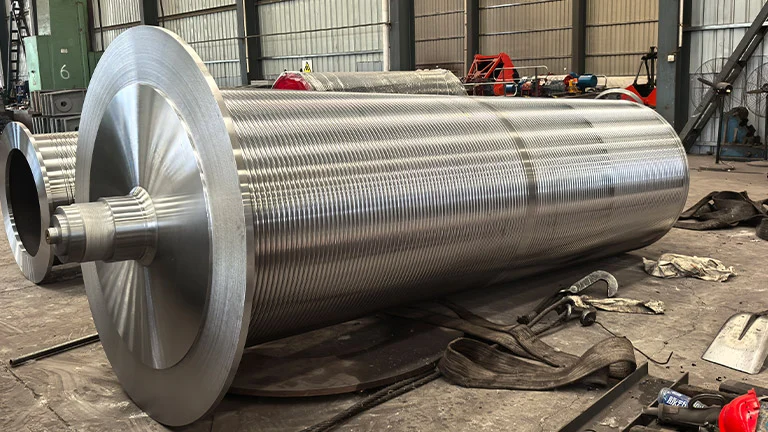
How Hanko Manufactures High-Performance Crane Rope Drums
At Hanko, we manufacture crane rope drums for overhead cranes, gantry cranes, electric hoists, and heavy-duty lifting systems.
Our capabilities include:
- Custom drum diameter design
- CNC-machined rope grooves
- Welded steel drum fabrication
- Dynamic balancing
- Ultrasonic and magnetic particle testing
- OEM and drawing-based production
Whether you need a replacement drum or a custom-engineered solution, our team can support your project requirements.
Need a Custom Crane Rope Drum?
A poorly designed drum can shorten wire rope life and increase maintenance costs.
Hanko supplies precision-engineered crane rope drums built for demanding industrial environments.
Contact Hanko for:
✔ Custom drum design
✔ OEM manufacturing
✔ Replacement rope drums
✔ Technical engineering support
✔ Fast quotation and delivery
Send us your drawings or specifications today and receive a professional recommendation for your crane rope drum project.
FAQ
What is the function of a crane rope drum?
A crane rope drum stores and winds the wire rope during lifting operations. It transfers power from the hoist drive system to the rope and supports safe load movement.
How do I choose the correct drum diameter?
The drum diameter should be selected according to wire rope diameter, crane duty class, and applicable design standards. Larger diameters generally increase rope service life.
Which material is best for heavy-duty crane rope drums?
Welded steel drums made from Q345B or similar structural steels are commonly preferred for heavy-duty industrial applications due to their strength and fatigue resistance.
What causes wire rope damage on drums?
Common causes include:
- Incorrect groove dimensions
- Excessive fleet angle
- Rope misalignment
- Overloading
- Small drum diameter
How often should crane rope drums be inspected?
Visual inspections should be performed regularly, while detailed inspections should be scheduled during preventive maintenance intervals. Critical cranes may also require NDT inspections.
Related Articles
Crane Wheel & Rail Systems
- Crane Wheel vs Rail Wear: Common Causes and Solutions
- How to Inspect Crane Wheels Properly
- Forged vs Cast Crane Wheels: Which Is Better?
- Heavy Duty Crane Wheel Guide for Industrial Applications
Hoisting Components
- What Is a Crane Hoist?
- How to Choose an Electric Hoist
- Crane Brake System Explained
- How to Extend Crane Brake Service Life
Drive Systems
- Crane Gearbox Common Problems and Solutions
- How to Reduce Crane Gearbox Noise
- Crane Motor Selection Guide
Maintenance & Reliability
- How to Extend Crane Service Life: Practical Tips
- Crane Upgrade vs Replacement: Which Is More Cost-Effective?

 English
  Korean
  Russian
  Spanish
  Malay
Malay  Afrikaans
  Bulgarian
  French
  Bengali
  Italian
  Hungarian
  Vietnamese
  Thai
Thai  Indonesian
  German
  Arabic
  Japanese