Low ceilings stop many plants from lifting full height. A low headroom electric hoist recovers that lost travel. This guide covers how it works, what to check before buying, and where it fits your crane system.
Featured Snippet: A low headroom electric hoist minimizes the vertical distance between the I-beam and the load hook. The trolley is integrated into the hoist body instead of hanging below it. This maximizes hook travel and lifting clearance in plants with low ceilings or restricted overhead space.
What Is a Low Headroom Electric Hoist?
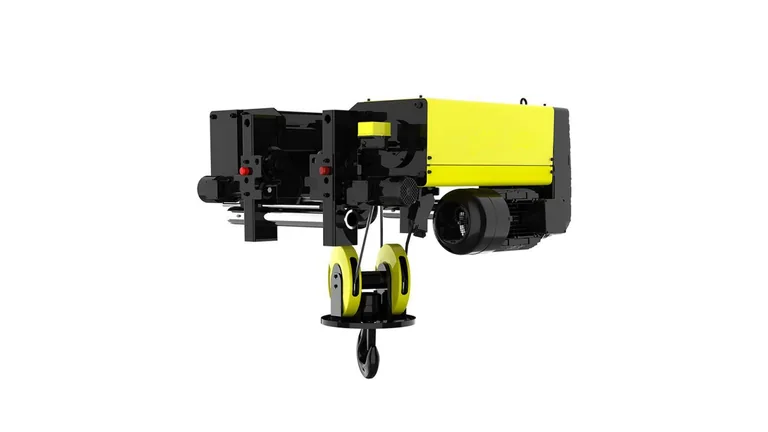
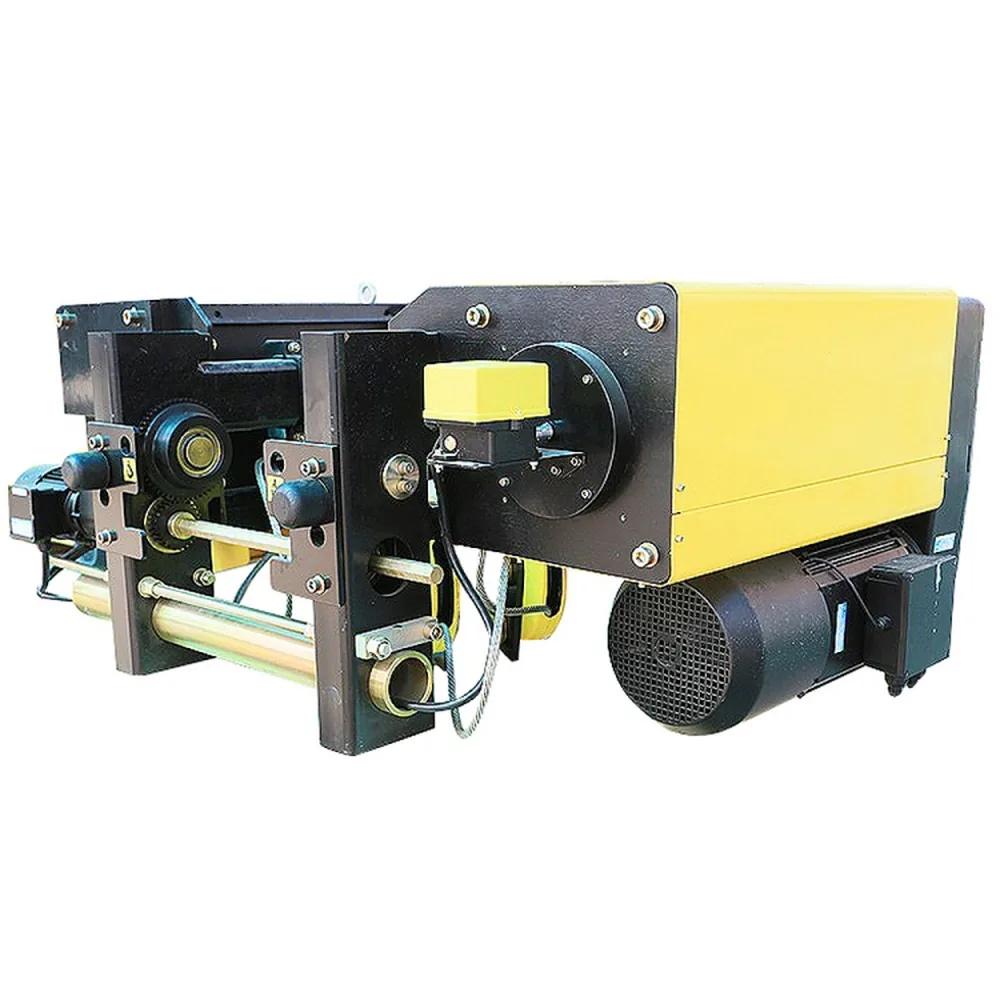
A low headroom electric hoist reduces the vertical space between the beam and the hook. The trolley and hoist body merge into one compact assembly. The result: the hook travels closer to the beam flange, and every centimeter of building height turns into usable lift.
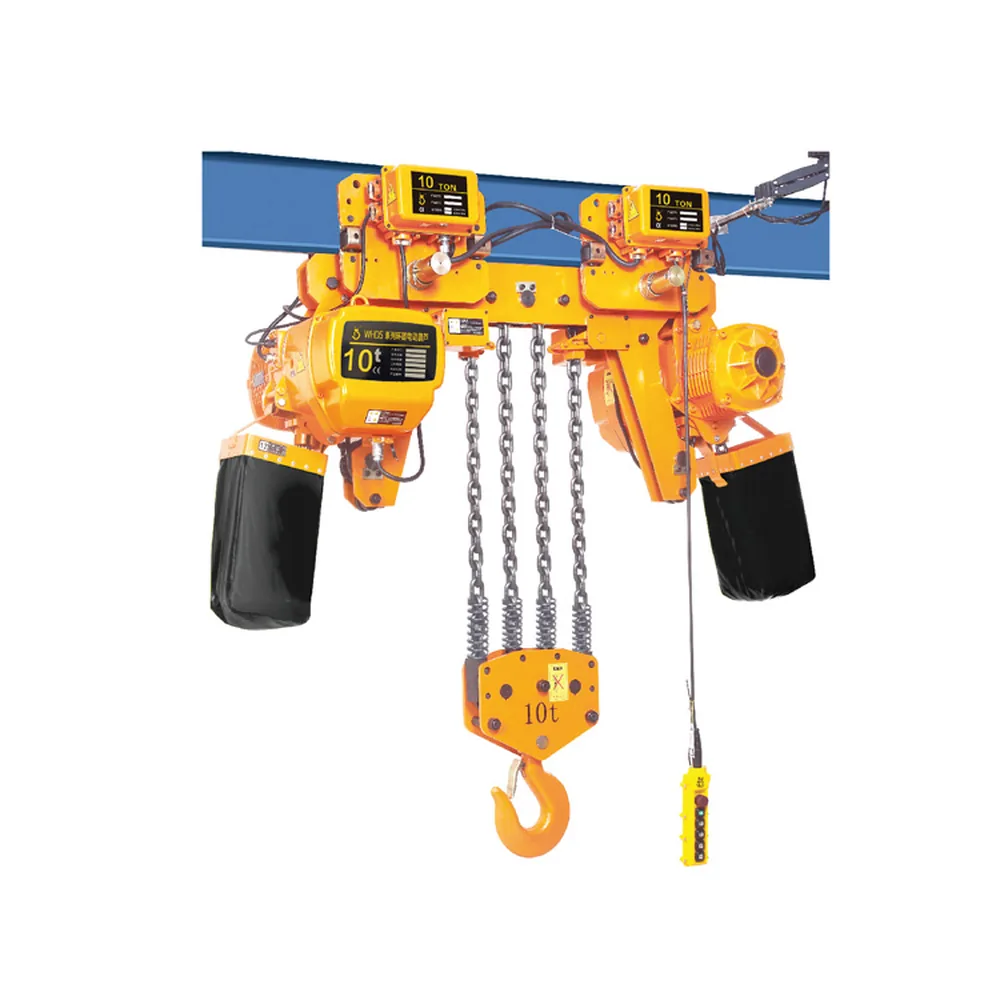
How Low Headroom Hoists Maximize Vertical Lifting Clearance
Standard hoists hang the body under a separate trolley. The chain or rope, hook block, and trolley stack up between the beam and the load. A low headroom hoist restructures this stack. Side-mounted motors, shortened hook assemblies, and true vertical lift paths trim the total height. In restricted bays this often adds meaningful hook travel without touching the building.
Standard Electric Hoist vs. Low Headroom Trolley Hoist
| Aspect | Standard Hoist | Low Headroom Hoist |
|---|---|---|
| Trolley position | Separate, below or beside hoist | Integrated into hoist body |
| Beam-to-hook distance | Full body height in the stack | Compressed to a minimum |
| Best fit | Normal-height workshops | Low bays, mezzanines, tight clearances |
| Lift height in same building | Baseline | Higher, from recovered headroom |
Low headroom electric chain hoist builds follow the same logic. The chain hoist body sits beside or above the trolley frame, not under it. The hook gains travel, and the load approaches the beam at the top of every lift.
Key Benefits of a Low Headroom Electric Hoist
Maximizing Hook Travel in Restricted Overhead Spaces
The core benefit is recovered height. Taller machines fit under the lift line. Parts move between mezzanine levels without rebuilding the structure. In new construction, a lower required height cuts steel, cladding, and HVAC costs.
Integrated Trolley Design for Smoother Load Handling
One integrated body means fewer joints between the beam and the load. The hoist tracks straighter along the beam, with less sway at the hook. Short travel geometry also shortens the load path, which steadies starts and stops.
Enhanced Control and Precision
Two-speed control fits most duty. For finer work, the benefits of VFD hoist control stand out: soft starts, adjustable creep speed, and steadier positioning. VFD control trims load swing and spares the gearbox and brake from repeated hard shocks.
Common Industrial Applications and Crane Pairings
Low headroom hoists serve industrial handling and processing equipment where height is the limit. Typical pairings:
- Jib cranes: low-clearance hoists fit under jib booms in tight cells.
- Workstation cranes: light rail systems gain hook height at each station.
- Ceiling mounted cranes: suspended rail runs gain the most, since no floor structure intrudes.
- Underhung single-girder bridges: the hoist rides the lower flange, so every saved centimeter counts.
Specialized Environments: Cleanroom and Explosion-Proof Lifting
Cleanroom lifting favors sealed, low-outgassing builds that keep particle generation down. Explosion-proof sites need hoist builds with the correct Ex rating for the zone. Match the rating to your site classification before ordering. For hazardous-area basics, see our explosion-proof electric hoist guide.
How to Choose the Right Low Headroom Electric Hoist
Three checks make the selection defensible. Our general electric hoist selection guide covers the full checklist.
Load Capacity and Lift Height Requirements
Start with the heaviest handled load, then confirm hook travel. Measure floor to hook saddle at the lowest point the load must reach. Subtract that from the available height under the beam. The result caps your lift, and the hoist C-dimension must fit inside it.
Understanding Electric Hoist Duty Cycles
Duty ratings describe how hard and how often the hoist runs. Light, occasional duty sits in classes like FEM 1Bm or CMAA H2. Frequent, heavy cycles move up the scale toward H4-class service. Match the class to your starts per hour and average load factor, not just tonnage. Our hoist load capacity chart lists tonnages against duty classes.
I-Beam Flange Width and Trolley Compatibility
The trolley wheels must match your beam. Check the flange width and track profile against the trolley spec. Adjustable-width trolleys cover common I-beam and H-beam ranges. Fixed-width units run tighter and quieter once matched. Confirm both dimensions before order.
Safety Standards, Maintenance, and Inspection
Pre-Operation Inspection and Compliance
Hoist and crane inspection keeps low headroom units safe under repeated use. Run a short pre-operation check each shift:
- Test the brake under a light load before full lifts.
- Confirm upper and lower limit switches stop the hook at set points.
- Inspect the load chain or wire rope for wear, kinks, or broken strands.
- Check the hook for cracks and confirm the safety latch closes.
- Clear the trolley track of obstructions before travel.
In North America, overhead handling follows ASME B30 standards and applicable OSHA rules. Keep the inspection record with the unit.
Routine Maintenance to Extend Service Life
Follow the maker’s interval for gearbox oil and hook grease. Keep limit switches clean and adjusted. Log every check: a dated hoist and crane inspection trail supports audits and resale. For a full schedule, read our guide on how to maintain an electric hoist.
FAQ
What is a low headroom electric hoist?
What is the C-dimension on a hoist?
Will a low headroom hoist fit my I-beam?
Where do low headroom hoists pay off most?
Can a low headroom hoist handle heavy duty cycles?
Order a Low Headroom Electric Hoist Built for Your Bay
Hanko supplies the Low Headroom Electric Hoist in chain and wire rope builds, matched to your beam and duty. Tell us the C-dimension limit, beam flange width, and load cycle. We match the unit to your drawings.
Contact Hanko today for a low headroom hoist sized to your bay, beam, and duty.
Email: info@hankocrane.com