Featured Snippet: An electric hoist winch is a powered lifting unit. It raises, lowers, and positions loads by winding wire rope onto a drum. Buyers now choose between CD hoists, European-style hoists, and the ECO hoist. The ECO hoist pairs full variable frequency control with a compact design. It is priced below European-style units.
An electric hoist winch is the working heart of most lifting systems. Buyers today face a three-way choice: the traditional CD hoist, the European-style hoist, and the newer ECO hoist. Picking wrong means paying too much or getting too little control.
What Is an Electric Hoist Winch?
An electric hoist winch converts motor power into vertical load movement. The motor drives a gearbox, which turns a rope drum. The drum winds wire rope through a hook block, lifting the load.
Three families dominate the market:
- CD-type hoists: the long-established standard design with single or dual lifting speeds.
- European-style hoists: compact, low-headroom units built to European design conventions.
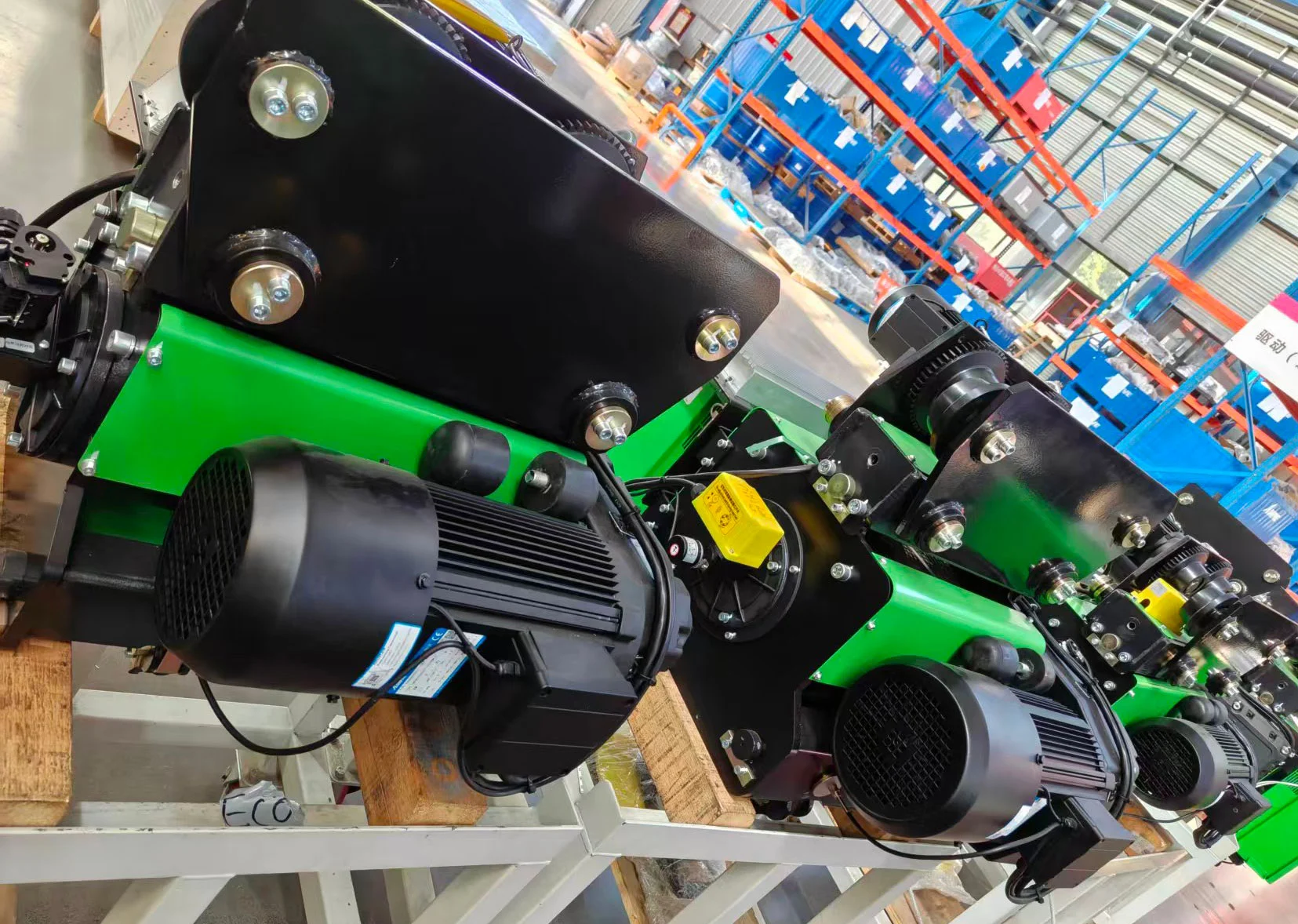
- ECO hoists: a newer family that brings full variable frequency control at a moderate price.
All three lift the same loads. The differences sit in speed control, structure, and cost. For deeper background, see how to choose an electric hoist. A closer look at hoist families is in electric hoist vs wire rope hoist.
What Is an ECO Hoist?
The ECO hoist is a compact electric hoist built around a full variable frequency drive (VFD). Every motion—lifting and travel—runs through frequency control instead of fixed-speed contactor switching.
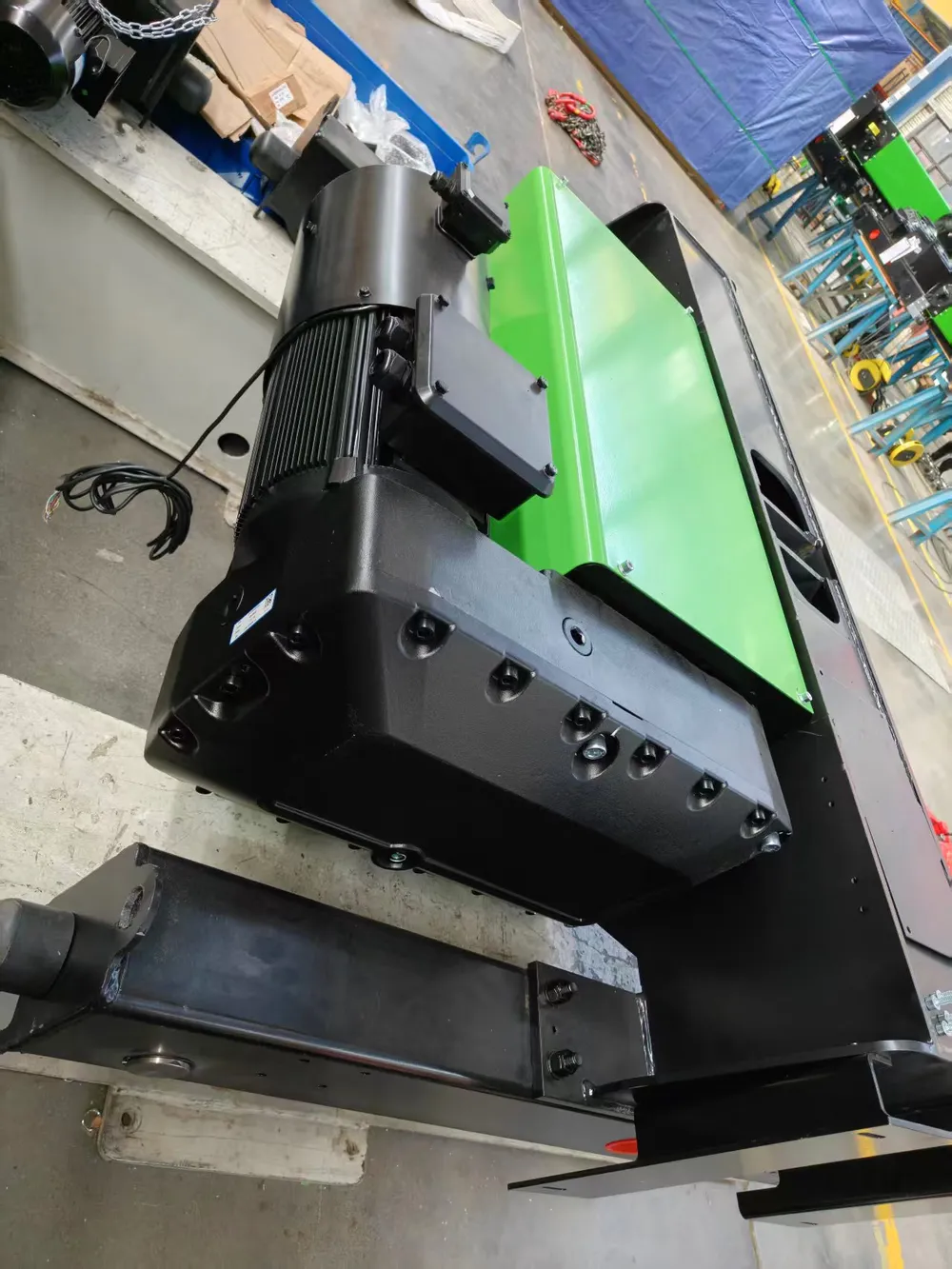
That single design choice changes how the hoist behaves:
- Stepless speed control: smooth acceleration and deceleration instead of hard jumps.
- Precision spotting: creep speed lets operators place loads exactly, without overshoot.
- Soft starts: reduced mechanical shock on gearbox teeth, couplings, and rope.
- Lower inrush current: less stress on the plant power network at every start.
For workshops handling machined parts, molds, or assembly positioning, this control level directly improves daily output quality.
ECO Hoist vs CD Hoist: What Changes
The CD hoist has served industry for decades. It is a proven, simple design. But its control is binary: full speed or stop, with a limited second speed on dual-speed models.
| Feature | CD Hoist | ECO Hoist |
|---|---|---|
| Speed control | Fixed speeds, contactor switching | Full VFD, stepless on all motions |
| Load spotting | Limited by fixed speeds | Creep speed for exact placement |
| Mechanical shock | Higher at every start and stop | Reduced by soft starts |
| Positioning work | Acceptable for general handling | Suited for assembly and mold handling |
| Electrical stress | Full-voltage starts | Controlled starts, lower inrush |
The ECO hoist serves as a full replacement for CD hoist duty. It covers the same lifting tasks while upgrading every start, stop, and positioning move to frequency control.
ECO Hoist vs European-Style Hoist: The Price Gap
European-style hoists defined the compact, low-headroom format. Their engineering is excellent, and their price reflects it. For many projects, that price is the barrier.
The ECO hoist delivers the same practical benefits—the compact format, frequency-controlled motions, and smooth operation—at a clearly lower price. In plain terms:
- Same working benefits: compact build, VFD-controlled motions, refined load handling.
- Lower purchase cost: a more affordable price point than European-style units.
- Better value ratio: performance per dollar is the ECO hoist’s core proposition.
Budget-driven projects no longer have to choose between an aging CD design and an expensive European import. The ECO hoist fills the middle with full performance.
Who Should Choose an ECO Hoist
The ECO hoist fits three situations:
- You run CD hoists today and want frequency control without redesigning the crane.
- You priced European-style hoists and need the same format at a lower cost.
- Your work involves positioning: machining, mold handling, assembly lines, precise warehousing.
For simple, rough material handling at the lowest possible cost, a CD hoist still does the job. For everything that needs control, the ECO hoist is the value answer.
FAQ
What is an electric hoist winch?
What is an ECO hoist?
Can an ECO hoist replace a CD hoist?
Is an ECO hoist cheaper than a European-style hoist?
What are the benefits of full variable frequency control?
Get a Quote for ECO Hoists
Hanko supplies ECO hoists and complete hoisting components for industrial projects.
Send us:
- Your current hoist nameplate or CD hoist model
- Lifting capacity, lift height, and duty requirements
- Crane type and travel path details
Contact Hanko today for ECO hoist pricing and a matched configuration for your lifting system.
Email: info@hankocrane.com