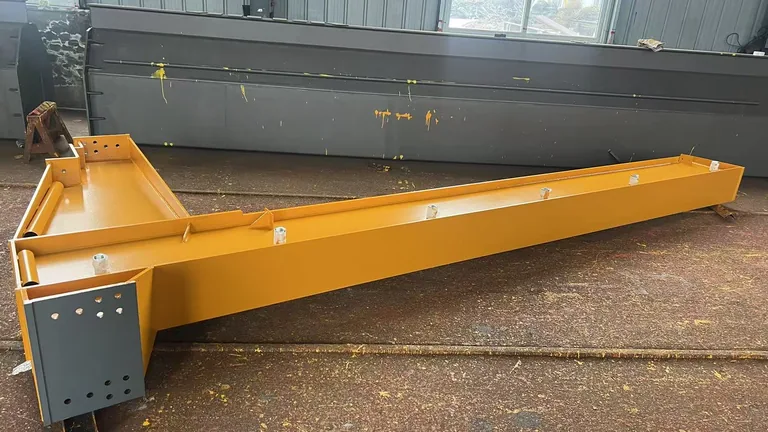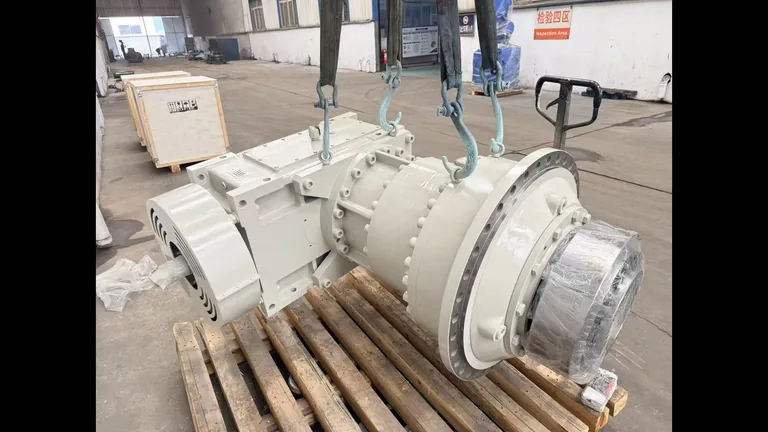
Every lift starts with one decision: which sling to use. The three types of slings suit different loads and different site conditions. Choosing the wrong type risks dropped loads, damaged cargo, and injured crews.
Featured Snippet: The three types of slings are chain slings, wire rope slings, and synthetic slings. The type of load sets the basic choice. The working environment—temperature, chemicals, sharp edges, and moisture—determines the final selection.
What Are the Three Types of Slings?
Rigging practice recognizes three basic sling families: chain slings, wire rope slings, and synthetic slings. Each family trades off strength, weight, temperature tolerance, and load protection differently.
No single type wins everywhere. A foundry lift and a machine-tool lift call for opposite sling choices. That is why selection always starts with two questions: what are you lifting, and where are you lifting it.
The Selection Question Every Rigger Must Answer
Rigger certification exams often phrase sling selection this way:
there are three different types of slings. you can determine which type you use by referencing the type of load you will need to transport. what additional factor determines which type of sling you use?
The first half of the question is straightforward. You match the sling family to the load: its weight, shape, and surface finish.
The additional factor is the working environment. Four conditions matter most:
- Temperature: furnaces and hot coils rule out synthetic materials.
- Chemical exposure: acids and alkalis attack nylon and polyester.
- Sharp edges: cutting loads destroy webbing and can damage rope.
- Moisture and outdoor use: weather affects corrosion and UV resistance.
A load that is safe on synthetic webbing indoors may require alloy chain near a melting furnace. Environment, not just load type, makes the final call.
Chain Slings: Built for Heat and Heavy Loads
Chain slings are assembled from alloy steel chain, usually Grade 80, with master links and attachment fittings. They are the default choice in foundries, steel mills, and forging shops.
Their strengths are clear:
- Temperature service suitable for hot loads, with capacity derating as temperature rises.
- High resistance to cuts, abrasion, and sharp edges.
- Flexibility that wraps around awkward load shapes.
The trade-offs are weight and inspection effort. Chain is the heaviest sling family to handle manually. Inspect it for stretch, nicks, gouges, and bent links before every use.
Wire Rope Slings: Strength with Flexibility
Wire rope slings are made from stranded steel wire rope in spliced or mechanically swaged eyes. They balance strength, flexibility, and durability better than any other family.
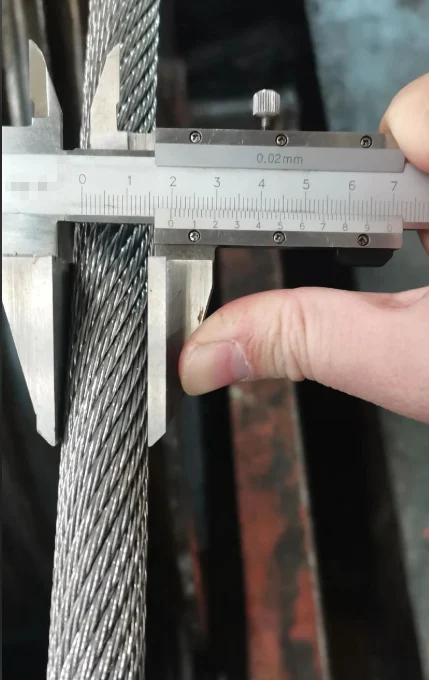
Wire rope suits construction sites, shipping yards, and structural steel work. It resists cutting better than synthetic materials and tolerates outdoor conditions well.
Watch for these removal triggers: broken wires, kinks, bird-caging, and corrosion. For a deeper inspection guide, see this wire rope failure analysis.
Synthetic Slings: Gentle but Sensitive
Synthetic slings cover nylon and polyester webbing slings and round slings. They are light, flexible, and cheap to replace.
Their key advantage is load protection. Webbing will not scratch a machined surface, a painted panel, or a finished roll. Polyester also stretches very little, which suits precise positioning.
The weaknesses are environmental:
- Heat limits use, typically below about 90–100°C.
- UV exposure degrades fibers over long outdoor service.
- Acids harm nylon; strong alkalis harm polyester.
- Sharp edges cut webbing unless you add edge protection.
Types of Slings at a Glance
| Sling Type | Best For | Watch Out For |
|---|---|---|
| Chain (alloy steel) | Hot, heavy, sharp-edged loads; foundries | Weight; stretch and link wear |
| Wire rope | Construction, shipping, structural steel | Broken wires, kinks, corrosion |
| Synthetic (nylon/polyester) | Finished, delicate, or painted surfaces | Heat, UV, chemicals, sharp edges |
Sling Attachment and Crane Hooks
The sling is only half the rigging. The attachment point matters just as much.
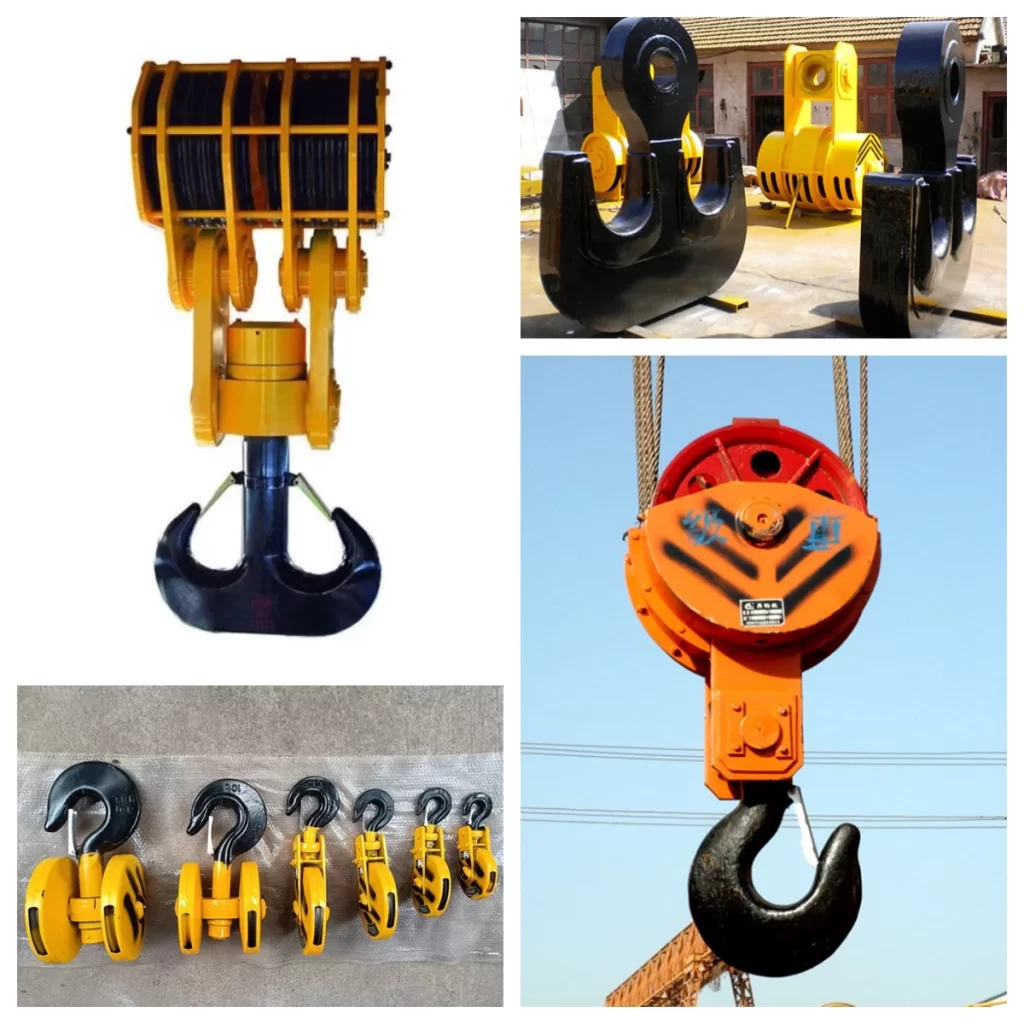
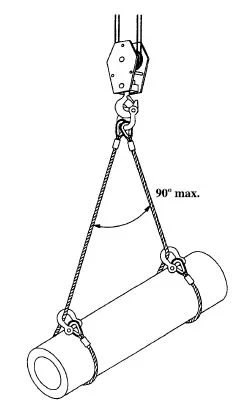
Most regulations limit direct attachment to two slings per hook. Sling legs must stay within a 90-degree included angle. For more detail, read how many slings can be attached to a crane hook.
The hook itself needs attention. A stretched hook opening or a failed safety latch turns a safe rig into a dropped load. Worn hooks should be replaced with matched crane hooks that fit your existing assemblies.
Inspect Slings Before Every Lift
Every sling standard shares the same rule: inspect before use, every time.
- Chain: check stretch, nicks, gouges, and bent links.
- Wire rope: count broken wires, look for kinks and corrosion.
- Synthetic: look for cuts, burns, chemical attack, and UV degradation.
Tag damaged slings out of service immediately. Fold sling checks into your wider crane maintenance checklist so nothing slips between shifts.
FAQ
What are the three types of slings?
What additional factor determines which type of sling you use?
Which sling type suits high-temperature lifting?
Can synthetic slings lift loads with sharp edges?
How often should slings be inspected?
Need the Right Hook for Your Slings?
Sling selection protects the load. Hook quality protects the whole lift.
Hanko supplies forged crane hooks, hook assemblies, and related lifting components for industrial cranes. Send us:
- Nameplate photos and crane model information
- Hook drawings or part numbers
- Sling capacity and duty requirements
Contact Hanko today for matched hook and rigging components, with inspection records available on request.
Email: info@hankocrane.com