Most crane accidents are preventable. Safety regulations require employers to ensure inspections are carried out by competent workers. Critical parts must be inspected daily. As an operator or rigger, you can also reduce the most common crane accidents through your own daily routine.
Featured Snippet: Workers reduce common crane accidents by inspecting critical parts every shift: brakes, wire rope, hooks, and limit switches. Operate within the rated capacity and never side pull. Follow the signal person, and stop the crane immediately when anything looks wrong. Report every defect before the next lift.
Why Daily Inspection Is a Legal Duty
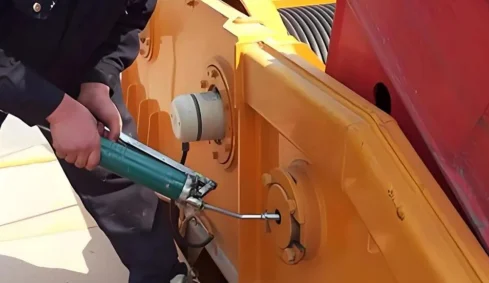
Workplace safety rules in most countries place this duty on employers. Crane inspections must be carried out by competent workers. Critical parts of a crane must be inspected daily, before each shift.
These requirements exist because small defects grow into failures. A worn brake lining or a few broken rope wires can pass unnoticed for weeks. The result is often a dropped load or a runaway hoist.
Regulators such as OSHA express this duty in similar wording. The employer ensures the inspection. The competent worker performs it. The operator still holds the final gate: no lift starts until the daily check is done.
The Most Common Crane Accidents
Understanding how accidents happen is the first step to avoiding them.
1. Falling Loads
Loads fall when hooks, slings, or wire rope fail. A defective safety latch or a frayed rope is often the root cause. Falling loads injure workers below the crane.
2. Overloading
Exceeding the rated capacity stresses the boom, the rope, and the brake system. Overloading remains one of the most frequent causes of structural failure.
3. Side Pulling
Dragging a load sideways bends the boom and derails trolleys. Side pulls also snap wire rope without warning.
4. Brake Failure
Worn linings and wrong clearance let a suspended load slip. Brake failure turns a controlled lift into a free fall.
5. Contact with Power Lines
Booms and load lines touching overhead lines cause electrocution. Always verify clearance distances before setup.
6. Crane Tipping
Unstable ground, missing outrigger pads, or exceeding load charts can overturn the whole machine.
Critical Parts Workers Must Inspect Daily
Your daily check should focus on the parts most likely to cause an accident.
- Wire rope: look for broken wires, kinks, corrosion, and poor winding on the drum.
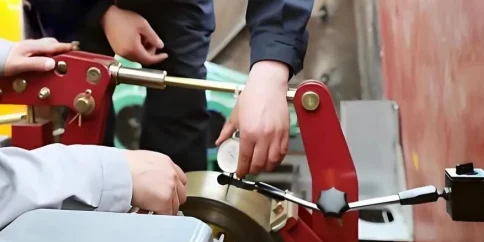
- Brakes: confirm clearance, lining wear, and responsive stopping.
- Hook: check deformation, cracks, and a working safety latch.
- Limit switches: test upper and lower travel limits before the first lift.
- Drum and sheaves: inspect groove wear and smooth rope guidance.
- Fasteners and couplings: verify nothing has loosened overnight.
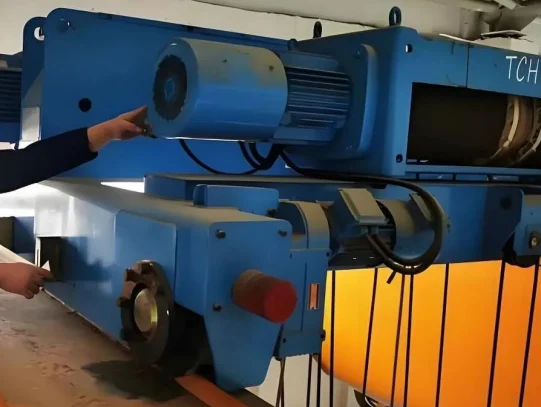
Track what you find. A written record turns a quick look into a real inspection. For the full routine, follow this crane maintenance checklist covering daily, weekly, and monthly levels.
What Makes an Inspector Competent
A competent worker is trained to identify hazards and has the authority to stop work. Competence comes from three elements.
- Training on the crane type and its inspection criteria.
- Familiarity with discard limits for ropes, hooks, and brake parts.
- Documented experience under a qualified supervisor.
If you inspect without this background, report defects rather than judging them. A suspected crack deserves a qualified opinion, not a guess.
Safe Operating Habits That Prevent Accidents
Inspection is half the defense. Your operating habits form the other half.
- Read the load chart before every non-routine lift.
- Keep loads within rated capacity at all times.
- Never side pull or drag loads sideways.
- Use taglines to control suspended loads.
- Follow only one designated signal person.
- Clear the fall zone before lifting.
- Stop immediately on unusual noise, vibration, or drift.
One habit matters most: never override a safety device. Bypassed limit switches and silenced alarms turn minor faults into accidents.
When Daily Inspection Reveals a Defect
Defects found during inspection need correct replacement parts. Rope reaching its discard limit should be replaced, not watched. Worn brake linings call for properly matched crane brake components.
The same applies to hooks. A stretched or cracked hook must be replaced with certified replacement crane hooks that match the original geometry.
For rope failures specifically, a wire rope failure analysis helps identify the root cause before the new rope is installed.
Hanko supplies brake parts, hooks, rope drums, and sheaves for common crane models. Inspection records and material documentation are available on request.
Conclusion
Employers must ensure competent inspections, and critical parts must be checked daily. As a worker, your daily routine decides whether defects are caught in time. Inspect the critical parts, operate within the limits, and replace worn components before they fail. Safe lifting is built one disciplined shift at a time.
FAQ
What are the most common crane accidents?
What crane parts must be inspected daily?
Who counts as a competent person for crane inspection?
How can a worker reduce crane accidents on site?
What should you do when an inspection finds a defect?
Keep Your Team’s Crane Safety on Track
Share this daily inspection routine with your operators and riggers. If your inspections reveal parts that need replacement, Hanko can help.
Send us:
- Nameplate photos and crane model information
- Part drawings or part numbers
- Wear measurements from your inspection records
Contact Hanko today for replacement crane components that keep daily inspections passing.
Email: info@hankocrane.com