In crane operations, engineers often concentrate on motor power, lifting capacity, and wire rope specifications. However, they frequently overlook a decisive component—the crane pulley block and its internal crane sheaves. In reality, the rational design and stable performance of the crane pulley system directly support safe, controllable, and efficient lifting under high load conditions.
Featured Snippet: Crane sheaves are grooved wheels that guide and support the wire rope. The pulley block distributes load across rope strands, creating mechanical advantage. Groove geometry, material strength, and bearing quality determine sheave performance and rope life.
From an engineering practice perspective, many reliability issues in lifting systems originate not from motors or control systems. Instead, they result from wear, improper selection, or insufficient manufacturing precision of crane pulleys, especially the crane sheaves.
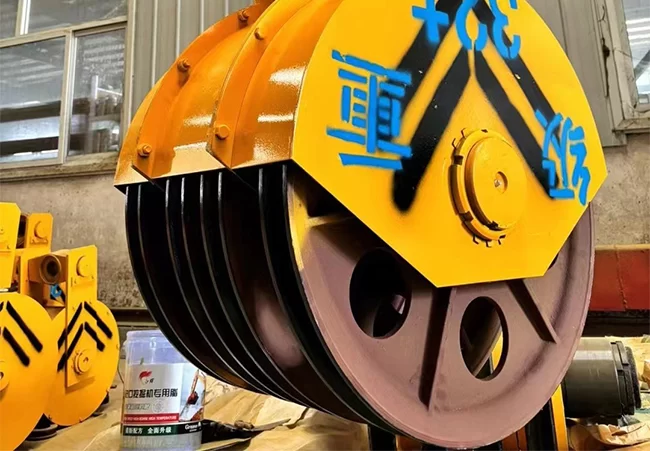
Understanding what a sheave is on a crane matters. Selecting high-quality pulley blocks directly affects operational safety, lifting efficiency, and long-term operating cost.
What Is a Crane Pulley Block?
A crane pulley block typically consists of one or more sheaves, bearings, pulley shafts, and supporting structures. Together with steel wire ropes, hooks, and drums, it forms a complete crane pulley system. By changing the direction of force and the load path of the wire rope, the pulley block enables load distribution and mechanical advantage.
For users asking what are sheaves on a crane, the answer is simple. A sheave is a grooved wheel that guides and supports the wire rope while transmitting the load. In crane engineering, a crane sheave functions as a critical load-bearing component rather than a simple guiding element.
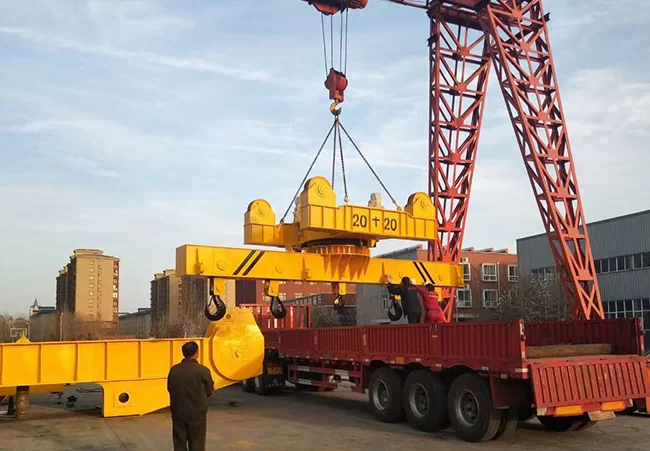
At Hanko Heavy Industry, engineers do not treat crane sheaves as auxiliary parts. Each sheave on a crane is designed as a key force-bearing unit. Engineers systematically match sheave size and configuration based on lifting capacity, reeving ratio, and operating conditions. This integrated design approach ensures stable pulley block performance during long-term operation.
How Does a Pulley Block Achieve “Force Saving and Amplification”?
The core function of a crane pulley block lies in creating mechanical advantage. By distributing the load across multiple wire rope strands through several sheaves, the crane pulley system reduces tension on each rope. As a result, the crane achieves higher lifting capacity with controlled force input.
In heavy-duty cranes, common reeving systems such as 4×, 6×, or 8× place higher performance requirements on crane sheaves. These requirements involve groove geometry, material strength, and bearing performance. Consequently, questions such as how to determine crane sheave size become critical during system design.
To meet these demands, Hanko Heavy Industry uses high-strength alloy steel crane sheaves and applies precise machining processes. Engineers carefully match rope diameter with groove profiles to reduce local stress concentration and improve overall load distribution.
The Impact of Pulley Blocks on the Safety of Cranes
Safety remains the highest priority in all lifting operations. High-quality crane pulley blocks distribute loads evenly across multiple sheaves. This balanced load distribution reduces abnormal wire rope wear and lowers the risk of sudden rope failure.
Moreover, the operational stability of the crane pulley significantly influences dynamic load control during lifting and braking. During the design stage, Hanko pulley blocks account for impact loads, braking forces, and rope movement. Optimized groove profiles and appropriate bearing selection reduce load fluctuation. In some configurations, crane equalizer sheaves further enhance overall system safety.
The Impact of Pulley Blocks on Efficiency and Equipment Lifespan
The performance of the crane pulley system affects not only safety but also operational efficiency. Low-friction bearings and precision-machined sheaves reduce energy loss, allowing motors and reducers to operate within optimal load ranges.
From a long-term perspective, high-quality crane sheaves significantly extend the service life of wire ropes, drums, and transmission systems. For bridge cranes and port equipment operating at high duty cycles, this translates directly into lower maintenance costs and higher equipment availability.
Differentiated Requirements for Pulley Blocks in Various Application Scenarios
Different lifting applications place different demands on crane pulley blocks. Bridge cranes emphasize durability and low maintenance. Gantry cranes and port cranes require higher load capacity and fatigue resistance. These machines often use crane equalizer sheaves to balance loads across multiple rope lines.
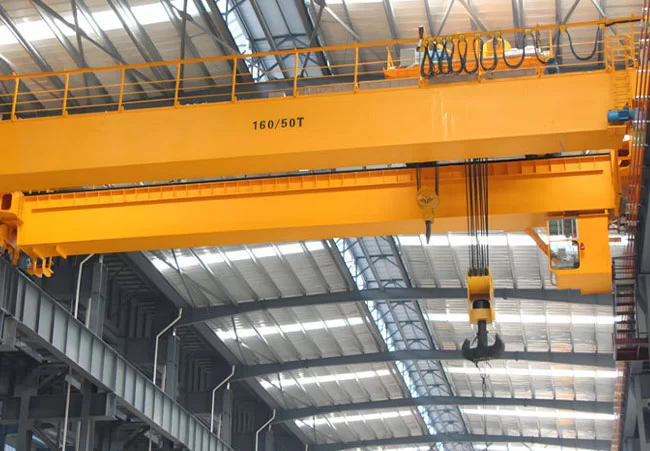
Hanko Heavy Industry provides customized crane pulley and sheave solutions for metallurgical, high-temperature, heavy-load, and continuous-duty conditions. Material options, bearing types, and sealing structures are matched to each application’s requirements.
Key Characteristics of High-Quality Pulley Blocks
A reliable crane pulley block requires high-strength materials, precisely sized rope grooves, stable bearing systems, and strong surface wear resistance. Engineers must clearly understand how to determine crane sheave size to prevent premature wire rope wear and uneven load distribution.
During Hanko’s manufacturing process, technicians inspect every crane pulley block and its crane sheaves for dimensional accuracy, material quality, and operational performance. These procedures ensure long-term reliability and stable operation under real working conditions.
The Importance of Manufacturing and Quality Control
The performance of a crane pulley is influenced not only by design but also by manufacturing precision. CNC machining accuracy, heat treatment quality, and non-destructive testing standards all directly affect the service life of sheaves and pulley blocks.
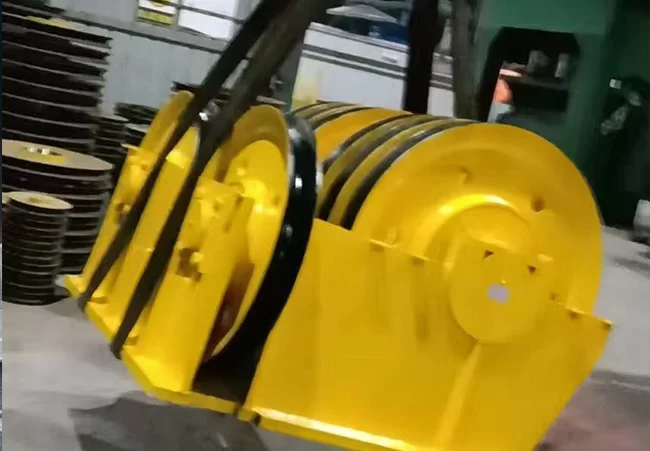
Hanko Heavy Industry strictly follows quality management systems throughout the production of crane pulley blocks. The process runs from raw material inspection to final performance checks. Every product must meet engineering reliability standards.
Common Issues and Risks of Incorrect Model Selection
Incorrect selection of crane pulley blocks remains one of the most common causes of crane malfunctions. Typical problems include mismatched rope groove dimensions, insufficient bearing capacity, and ignored operating conditions. Each of these errors can significantly increase operational risk.
Professional technical support during the selection phase—especially for sheave sizing and pulley configuration—is essential to prevent long-term reliability issues.
Conclusion: The Pulley Block Is the Foundation of Reliable Hoisting Systems
The crane pulley block, together with its sheaves, is an irreplaceable core component of any crane hoisting system. It defines not only lifting capacity but also safety, efficiency, and long-term operational reliability.
Through proper design, correct sheave selection, and high-quality manufacturing, a crane pulley system can dramatically enhance equipment performance. Hanko Heavy Industry delivers stable and durable pulley block and sheave solutions for the most demanding working conditions.