
The crane brake system is one of the most critical safety components in any lifting operation. Whether installed on an overhead crane, gantry crane, jib crane, or hoist, brakes ensure controlled stopping, safe load holding, and emergency protection.
When a brake fails, the consequences can be severe, including:
- Uncontrolled load movement
- Dropped loads
- Equipment damage
- Production downtime
- Serious safety incidents
Therefore, understanding the causes of crane brake failure and implementing preventive maintenance is essential for every industrial facility.
This guide explains the most common crane brake problems, their root causes, and practical prevention strategies to maximize the reliability of your industrial crane brake system.
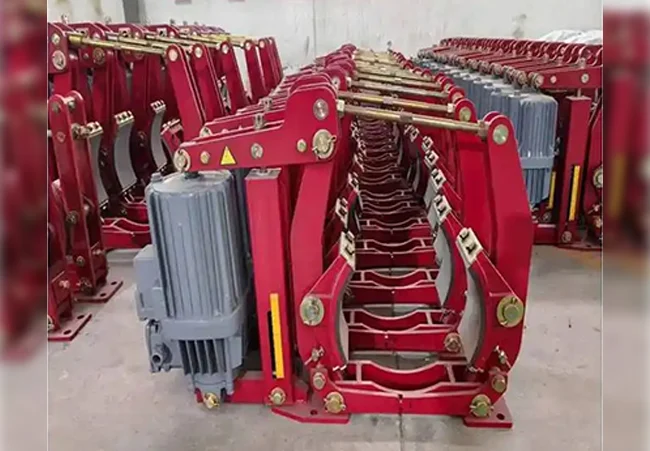
Featured Snippet: What Causes Crane Brake Failure?
What are the most common causes of crane brake failure?
The most common causes of crane brake failure include:
- Worn brake linings or friction pads
- Excessive brake wheel contamination from oil or grease
- Improper brake adjustment
- Electrical faults in contactors or relays
- Hydraulic brake system issues
- Damaged springs or mechanical components
- Overheating caused by excessive braking
- Poor maintenance practices
Regular inspection, proper adjustment, and timely replacement of worn components significantly reduce crane brake failures.
Why Crane Brakes Are Critical for Safety
Crane brakes perform three essential functions:
Load Holding
Brakes securely hold suspended loads when lifting operations stop.
Controlled Stopping
Brakes allow smooth deceleration without excessive shock loads.
Emergency Protection
In power loss or equipment failure situations, automatic brakes prevent uncontrolled movement.
Because of these critical functions, industrial standards require lifting mechanisms to use automatic mechanical brakes capable of safely holding the rated load.
Common Crane Brake Problems and Solutions
1. Brake Cannot Stop the Load
This is one of the most dangerous brake failures.
Symptoms
- Load drifts downward
- Crane continues moving after braking
- Extended stopping distance
Possible Causes
- Worn brake lining
- Oil contamination on brake surfaces
- Weak brake spring force
- Electrical control faults
- Excessive brake gap
Prevention Measures
✔ Inspect brake linings regularly
✔ Replace linings when wear exceeds allowable limits
✔ Remove oil and grease contamination immediately
✔ Verify relay and contactor operation
✔ Adjust brake clearance according to manufacturer specifications
2. Brake Fails to Release
A brake that remains engaged can stop production and damage drive components.
Symptoms
- Motor overload alarms
- Crane movement restricted
- Excessive motor heating
Possible Causes
- Worn friction materials
- Damaged brake springs
- Seized pivot points
- Hydraulic cylinder air contamination
- Insufficient hydraulic oil
Prevention Measures
✔ Lubricate moving brake components
✔ Inspect springs regularly
✔ Remove air from hydraulic systems
✔ Maintain proper hydraulic oil levels
✔ Replace worn mechanical components promptly
3. Abnormal Brake Noise
Unexpected noise often indicates developing mechanical problems.
Common Sounds
- Squealing
- Grinding
- Knocking
- Metal-to-metal contact
Possible Causes
- Uneven brake pad contact
- Worn brake wheel
- Excessive moisture
- Brake drum deformation
Prevention Measures
✔ Inspect friction surfaces regularly
✔ Replace damaged brake pads
✔ Protect brakes from excessive moisture
✔ Re-machine or replace deformed brake wheels
4. Excessive Brake Temperature
Brake overheating significantly reduces braking efficiency and accelerates wear.
Symptoms
- Burnt odor
- Discolored brake wheel
- Reduced braking performance
Causes
- Frequent stopping cycles
- Excessive load
- Improper brake adjustment
- Continuous slipping
Prevention Measures
✔ Avoid excessive braking cycles
✔ Verify correct brake torque settings
✔ Maintain proper brake clearance
✔ Prevent crane overloading
5. Brake Arm Cannot Open
This problem prevents normal crane operation.
Possible Causes
- Damaged brake arm components
- Stuck electromagnetic actuator
- Loose locking nuts
- Corrosion on moving parts
Prevention Measures
✔ Inspect brake linkage regularly
✔ Tighten all fasteners
✔ Clean and lubricate pivot points
✔ Replace damaged actuators
Main Components of an Industrial Crane Brake
Understanding brake components helps identify problems early.
Brake Wheel
The rotating surface that creates friction during braking.
Common Issues
- Surface scoring
- Cracking
- Excessive wear
- Heat damage
Brake Linings
Friction materials that generate braking force.
Inspection Standard
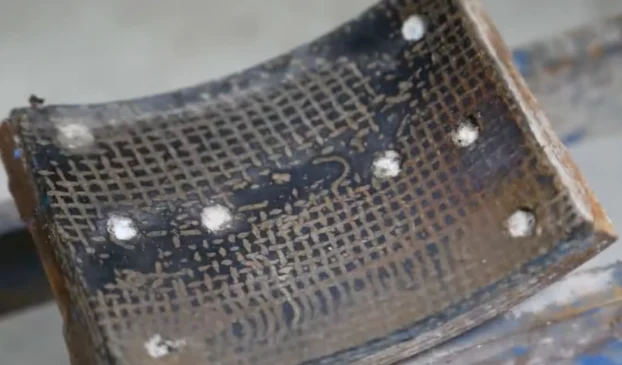
Replace brake linings when:
- Wear reaches approximately 50% of original thickness
- Rivets become exposed
- Cracks or glazing appear
Brake Springs
Springs generate the required braking force.
Inspection Focus
- Fatigue
- Corrosion
- Reduced tension
Weak springs often cause insufficient braking force.
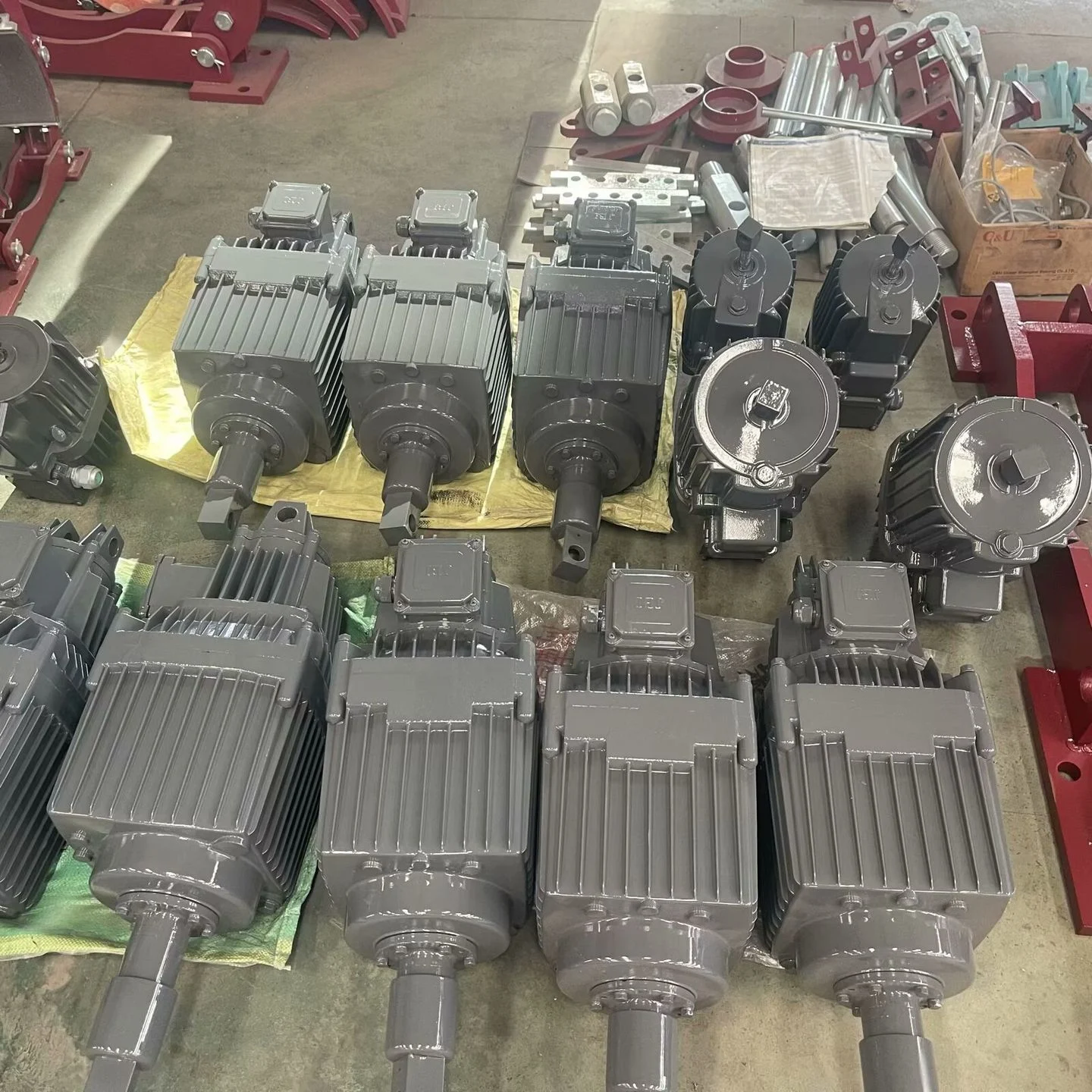
Electro-Hydraulic Thrusters
These devices release the brake during crane operation.
Common Issues
- Oil leakage
- Air contamination
- Coil failure
- Seal damage
Recommended Crane Brake Inspection Schedule
Daily Inspection
Operators should check:
- Brake responsiveness
- Abnormal sounds
- Visible oil contamination
- Brake release function
Weekly Inspection
Maintenance personnel should inspect:
- Brake lining wear
- Fasteners
- Spring condition
- Hydraulic systems
Monthly Inspection
Perform detailed inspections of:
- Brake torque settings
- Brake wheel wear
- Electrical control systems
- Brake gap adjustment
Annual Inspection
A complete overhaul should include:
- Brake disassembly
- Friction component replacement
- NDT inspection
- Brake performance testing
Crane Brake Maintenance Best Practices
To minimize crane brake problems, follow these best practices:
Keep Brake Components Clean
Oil, dust, and grease reduce braking efficiency and accelerate wear.
Lubricate Moving Parts
Proper lubrication prevents:
- Corrosion
- Binding
- Excessive friction
Replace Worn Components Early
Delaying replacement often leads to:
- Secondary failures
- Increased repair costs
- Unplanned downtime
Avoid Overloading
Operating beyond rated capacity places excessive stress on the brake system and shortens component life.
Train Operators Properly
Smooth acceleration and controlled stopping significantly reduce brake wear.
How Hanko Supports Crane Brake Maintenance
Hanko supplies high-quality industrial crane brake components for overhead cranes, gantry cranes, and hoisting systems.
Our Product Range Includes:
- Electro-hydraulic thruster brakes
- Drum brakes
- Disc brakes
- Brake wheels
- Brake linings
- Brake assemblies
- Brake replacement parts
Every component is manufactured according to strict quality standards to ensure reliable performance in demanding industrial environments.
Reduce Crane Brake Failures Before They Cause Downtime
Unexpected brake failures can stop production, increase maintenance costs, and create serious safety risks.
Hanko Can Help You:
✔ Diagnose crane brake problems
✔ Upgrade outdated brake systems
✔ Replace worn brake components
✔ Improve brake reliability and safety
✔ Reduce downtime and maintenance costs
Request a Brake System Assessment
Our technical team can evaluate your current brake condition and recommend the most cost-effective maintenance or replacement solution.
Contact Hanko today for expert support, replacement parts, and industrial crane brake solutions.
FAQ
What is the most common crane brake failure?
Worn brake linings and oil-contaminated friction surfaces are among the most common causes of crane brake failure.
How often should crane brakes be inspected?
Lifting brakes should be visually inspected daily and thoroughly inspected at least weekly, with detailed maintenance performed monthly.
Why does my crane brake make noise?
Brake noise may result from worn linings, uneven contact, contamination, brake wheel damage, or excessive moisture.
What causes crane brake overheating?
Frequent braking, excessive loads, improper adjustment, and continuous slipping are the most common causes of overheating.
When should brake linings be replaced?
Brake linings should generally be replaced when wear reaches 50% of their original thickness or when cracks, glazing, or exposed rivets appear.

 English
  Korean
  Russian
  Spanish
  Malay
Malay  Afrikaans
  Bulgarian
  French
  Bengali
  Italian
  Hungarian
  Vietnamese
  Thai
Thai  Indonesian
  German
  Arabic
  Japanese