
Excessive crane gearbox noise is often an early warning sign of mechanical wear, poor lubrication, misalignment, or design issues. If left unresolved, gearbox noise can develop into severe vibration, gear damage, bearing failure, and costly downtime.
For overhead cranes, gantry cranes, and port cranes, maintaining a quiet and stable gearbox is essential for safe operation and long-term reliability.
This guide explains the most common causes of gearbox noise and provides practical solutions that maintenance teams and crane operators can implement immediately.
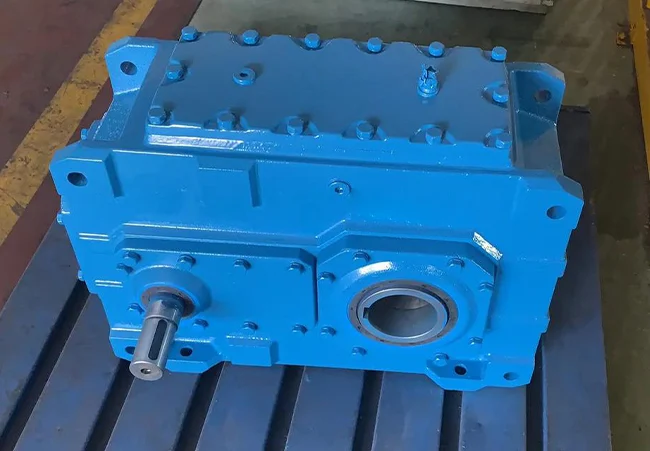
Featured Snippet: How Can You Reduce Crane Gearbox Noise?
To reduce crane gearbox noise, improve gear design, maintain proper gear alignment, use suitable lubricants, monitor bearing condition, reduce vibration transmission, and perform regular inspections. High-precision gears, correct backlash settings, vibration isolation pads, and preventive maintenance programs can significantly lower crane gearbox noise and extend equipment service life.
Why Crane Gearbox Noise Matters
Many operators treat gearbox noise as a minor annoyance. However, unusual noise often indicates:
- Gear wear
- Bearing damage
- Misalignment
- Lubrication problems
- Excessive vibration
Therefore, addressing noise early can prevent expensive repairs and unexpected shutdowns.
Common Causes of Crane Gearbox Noise
Gear Meshing Problems
The gear mesh is often the primary source of gearbox noise.
Common issues include:
- Excessive pitch errors
- Incorrect backlash
- Tooth surface defects
- Poor gear contact patterns
When gear teeth engage improperly, impact forces increase and generate vibration and noise.
Recommended Solutions
- Use high-precision gears
- Optimize gear backlash
- Perform gear tooth profile corrections
- Replace damaged gears
- Improve gear surface finishing
For heavy-duty cranes, helical gears generally produce less noise than spur gears because they provide smoother tooth engagement.
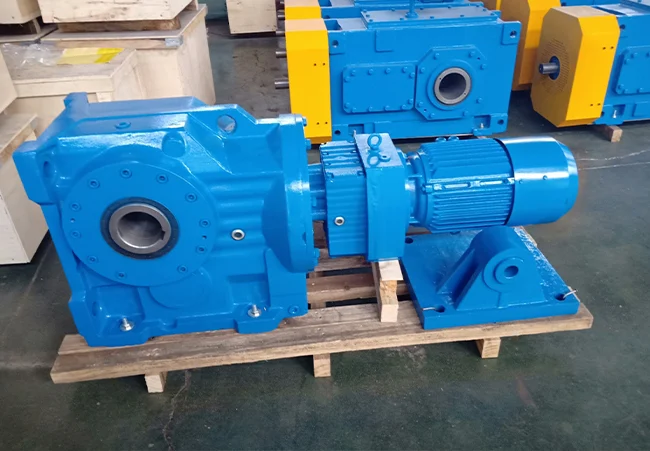
Optimize Gear Design for Quieter Operation
Use Helical or Double Helical Gears
Compared with straight-cut gears, helical gears provide:
- Higher contact ratios
- Reduced impact loading
- Smoother torque transmission
- Lower vibration levels
Many modern industrial cranes use helical gearboxes to improve operating comfort and reduce noise.
Increase Gear Contact Area
Wider gear faces distribute loads more evenly and reduce localized stress concentrations.
As a result, gearbox operation becomes smoother and quieter.
Improve Gear Manufacturing Accuracy
Gear quality directly affects noise performance.
การผลิตที่แม่นยำ
High-quality gears should have:
- Accurate tooth profiles
- Minimal pitch deviation
- Uniform tooth spacing
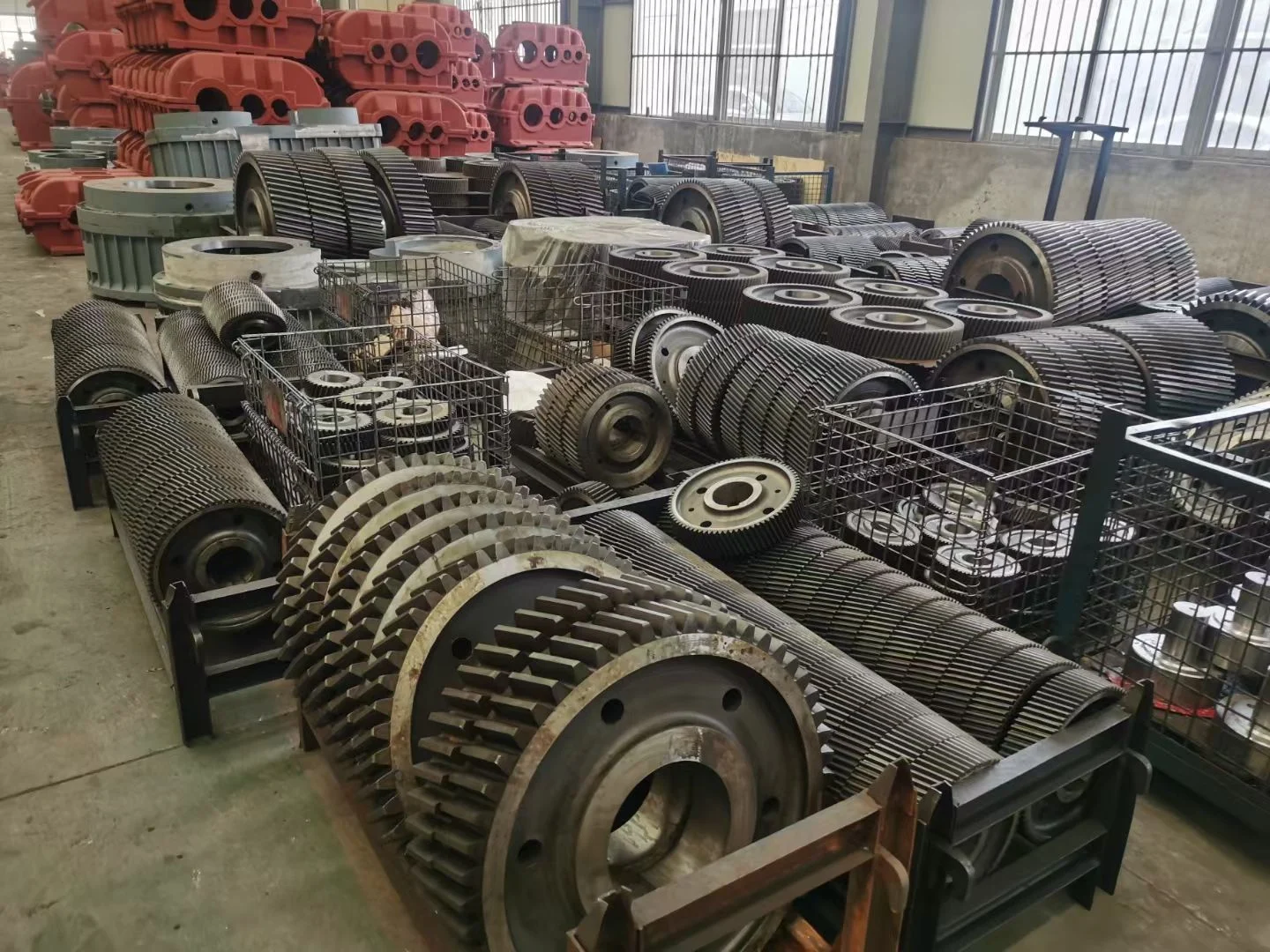
Many premium crane gearboxes use precision grinding after heat treatment to achieve superior gear engagement.
Surface Finishing
Reducing gear surface roughness minimizes friction and impact noise.
A smoother tooth surface also improves lubrication effectiveness and extends gear life.
Ensure Proper Shaft Alignment
Misalignment is one of the most overlooked causes of crane gearbox noise.
Even a small alignment error can create:
- Gear vibration
- Bearing stress
- Coupling wear
- Abnormal operating noise
Best Practices
- Check shaft alignment during installation
- Use laser alignment tools
- Verify coupling tolerances regularly
- Inspect foundation movement
Proper alignment significantly improves gearbox reliability.
Select the Right Bearings
Bearings influence gearbox vibration and rotational accuracy.
Recommended Bearing Types
For heavy-duty crane applications:
- Angular contact ball bearings
- Cylindrical roller bearings
These bearings provide:
- Higher rigidity
- Better load distribution
- Improved rotational stability
Correct Bearing Preload
Applying appropriate preload eliminates internal clearance and reduces shaft movement.
However, excessive preload may cause overheating.
Always follow manufacturer recommendations.
Reduce Vibration Through Better Installation
Even a perfectly manufactured gearbox can become noisy if installed incorrectly.
Use Vibration Isolation
Install:
- Rubber isolation pads
- Anti-vibration mounts
- Spring isolation systems
These solutions reduce vibration transmission to the crane structure.
Improve Foundation Rigidity
Weak foundations amplify gearbox vibration.
A rigid support structure minimizes resonance and improves operating stability.
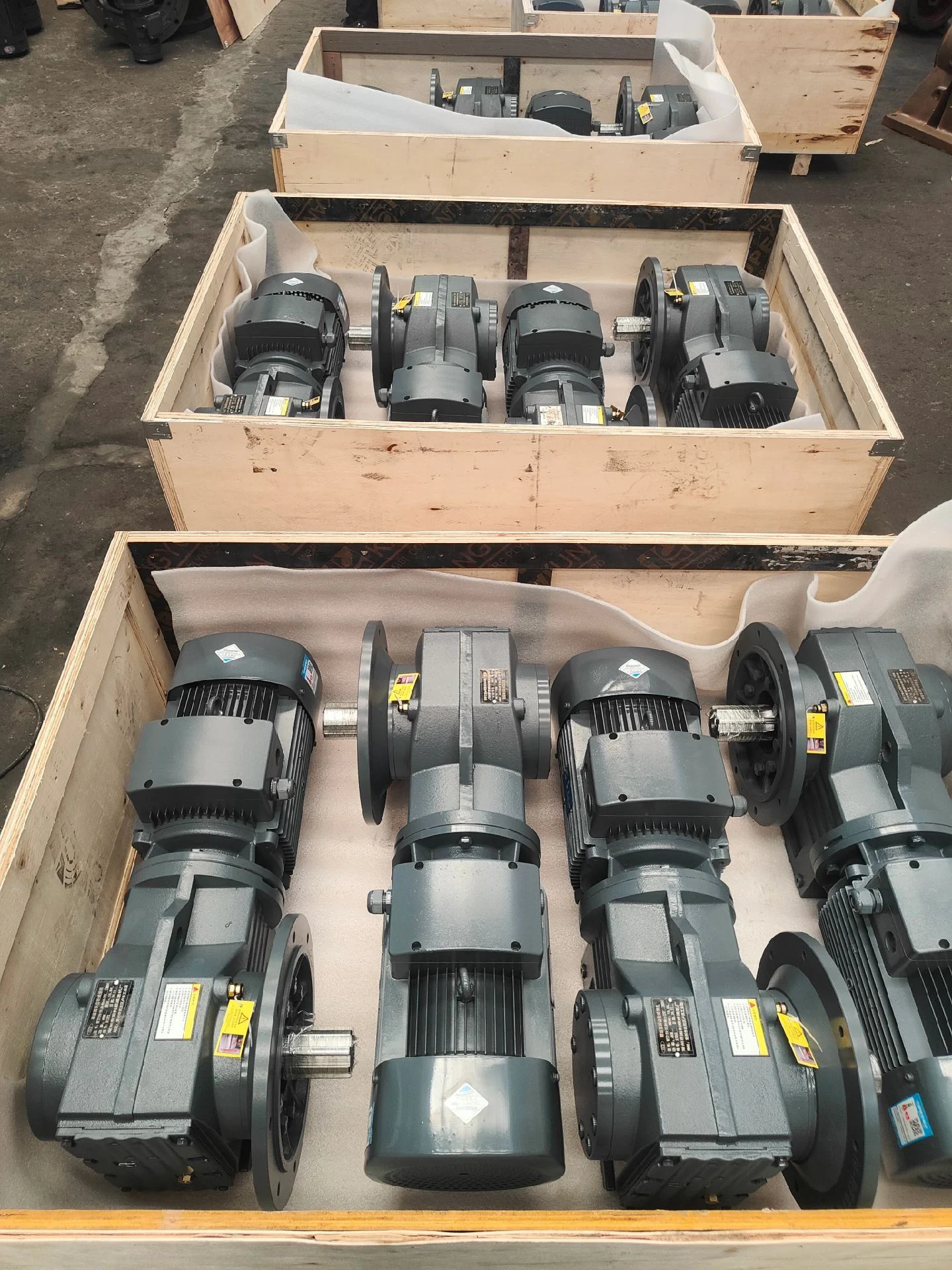
Lubrication Management: A Critical Factor
Poor lubrication remains one of the leading causes of gearbox noise.
Select the Correct Lubricant
Choose lubricant viscosity based on:
- Operating speed
- Load conditions
- Ambient temperature
Incorrect oil selection can increase friction and noise levels.
Monitor Oil Condition
Regularly inspect for:
- Contamination
- Water ingress
- Metal particles
- Oxidation
Contaminated lubricant accelerates gear and bearing wear.
Maintain Proper Oil Levels
Both low oil levels and excessive oil levels can increase noise.
Follow the gearbox manufacturer’s specifications for optimal lubrication performance.
Implement Predictive Maintenance
Modern maintenance strategies help detect problems before failures occur.
Vibration Analysis
Regular vibration monitoring can identify:
- Gear defects
- Bearing damage
- Misalignment
- Imbalance
Many maintenance teams use vibration analysis to prevent costly gearbox failures.
Thermal Monitoring
Infrared inspections help identify abnormal heat generation caused by friction or lubrication issues.
Early detection significantly reduces repair costs.
Crane Gearbox Noise Reduction Checklist
| Inspection Item | Recommended Action |
|---|---|
| Gear Condition | Inspect wear and tooth damage |
| Gear Alignment | Verify alignment regularly |
| Bearing Condition | Replace worn bearings |
| Lubrication | Use correct oil and maintain levels |
| Couplings | Check balance and alignment |
| Foundation | Improve rigidity if necessary |
| Vibration | Perform routine vibration analysis |
Why Choose Hanko for Crane Gearbox Components?
At Hanko, we provide reliable crane drivetrain solutions for industrial lifting applications.
Our products include:
- Crane gearboxes
- Gear shafts
- Gears and pinions
- Bearings
- Couplings
- Brake systems
- Complete crane spare parts
Every component undergoes strict quality inspections to ensure durability, precision, and long service life.
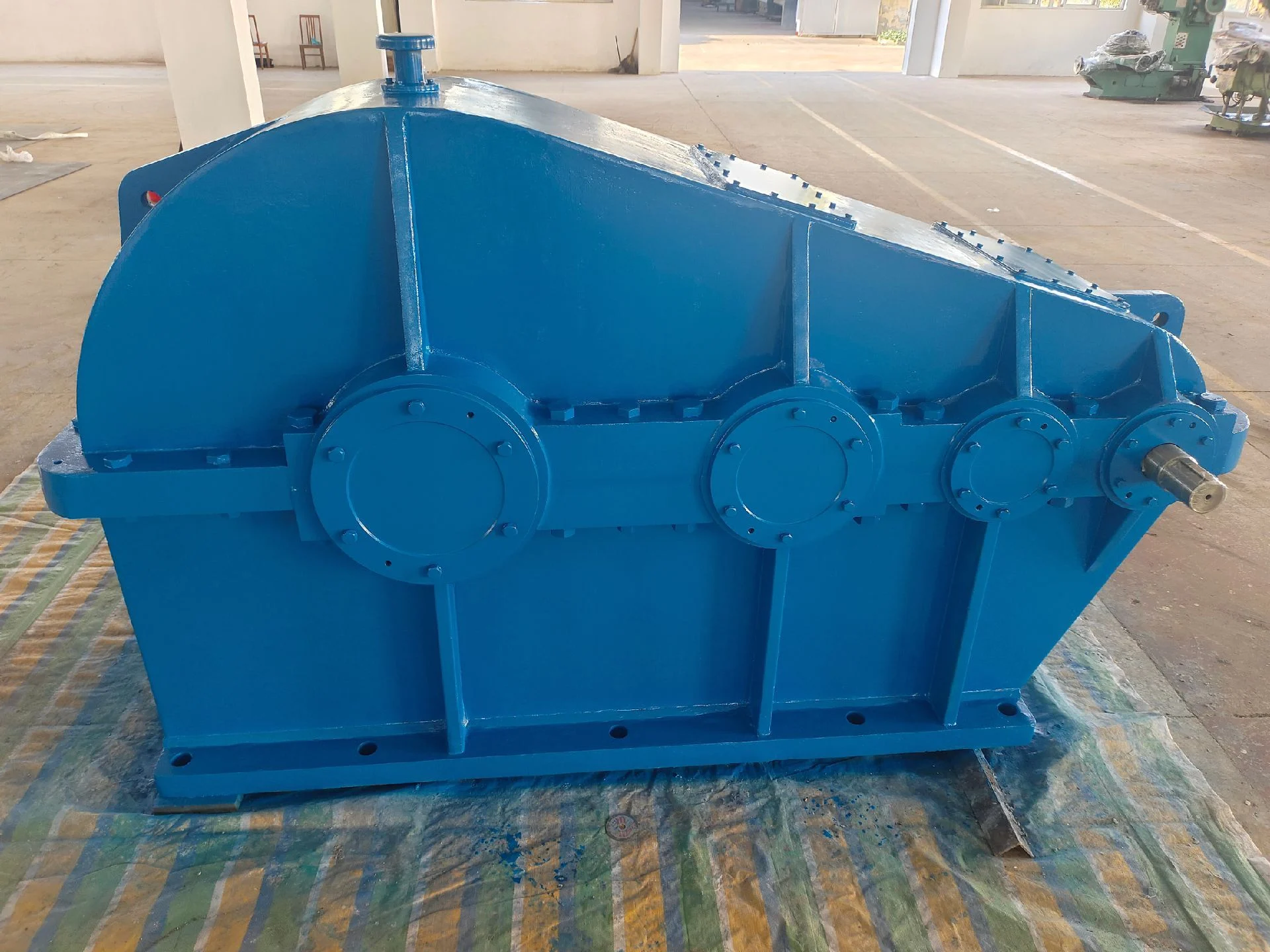
Need Help Solving Crane Gearbox Noise Problems?
Persistent gearbox noise can indicate hidden mechanical issues that may lead to costly failures.
Hanko Can Help You:
✔ Diagnose gearbox vibration and noise issues
✔ Supply replacement gears and bearings
✔ Improve gearbox reliability
✔ Reduce maintenance costs
✔ Extend equipment service life
Contact Hanko today for a free technical consultation and customized gearbox solution.
Frequently Asked Questions (FAQ)
What causes crane gearbox noise?
The most common causes include gear wear, bearing damage, poor lubrication, shaft misalignment, excessive backlash, and vibration transmission.
Are helical gears quieter than spur gears?
Yes. Helical gears engage more gradually and maintain higher contact ratios, which significantly reduces noise and vibration.
Can lubrication affect gearbox noise?
Absolutely. Insufficient or contaminated lubricant increases friction and accelerates gear and bearing wear, leading to higher noise levels.
How often should gearbox vibration be checked?
Heavy-duty industrial cranes should undergo vibration monitoring every three to six months, depending on operating conditions.
Can bearing failure cause gearbox noise?
Yes. Worn or damaged bearings often produce vibration, humming sounds, and excessive heat that increase overall gearbox noise.
When should a noisy crane gearbox be replaced?
Replacement may be necessary when gear wear, shaft damage, housing deformation, or repair costs exceed the economic value of rebuilding the gearbox.
Related Articles
- Crane Gearbox Common Problems and Solutions
- Crane Motor Selection Guide
- Crane Brake Failure Analysis and Prevention
- How to Extend Crane Brake Service Life
- How to Inspect Crane Wheels Properly
- Crane Wheel vs Rail Wear: Common Causes and Solutions
- Forged vs Cast Crane Wheels: Which Is Better?
- Industrial Crane Components List: Full Guide

 English
  Korean
  Russian
  Spanish
  Malay
Malay  Afrikaans
  Bulgarian
  French
  Bengali
  Italian
  Hungarian
  Vietnamese
  Thai
Thai  Indonesian
  German
  Arabic
  Japanese