
In any lifting system, the crane drum plays a central role in converting rotational power into vertical lifting motion. Without a properly designed drum, even a high-performance motor and gearbox cannot deliver stable or safe hoisting.
Therefore, understanding how a crane drum works helps engineers improve reliability, reduce wear, and extend the service life of the entire crane system.
What Is a Crane Drum?
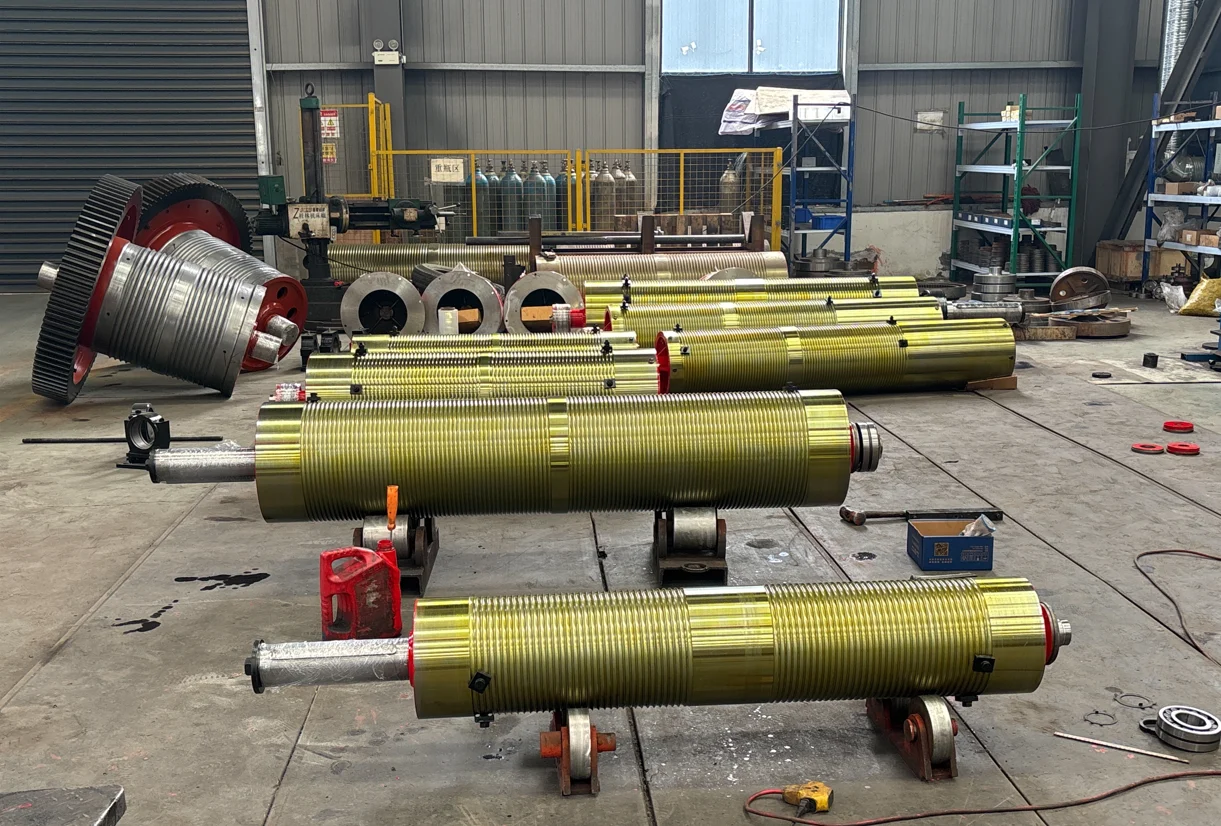
A crane drum is a cylindrical mechanical component installed in the hoisting mechanism of overhead cranes, gantry cranes, and other lifting equipment. It winds and unwinds the wire rope to raise or lower loads in a controlled manner.
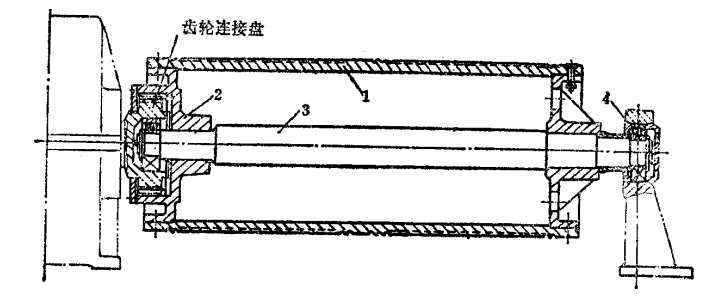
Typically, the drum connects to the gearbox output shaft through a coupling plate. As a result, the motor’s torque transfers directly to the drum, which then rotates to move the wire rope.
In standard overhead crane trolley systems, manufacturers often use cast drums. However, welded steel plate drums are also common because they reduce self-weight by approximately 35–40%, improving overall efficiency.
Main Components of a Crane Drum Assembly
A complete crane drum assembly includes more than just the cylindrical body. It integrates several mechanical elements that ensure stable transmission and structural strength.
1. Drum Body
The drum body forms the primary structure. Manufacturers commonly produce it using:
- Cast iron (HT150–HT300)
- Cast steel (ZG270-500, ZG230-450)
- Welded Q235 steel plate
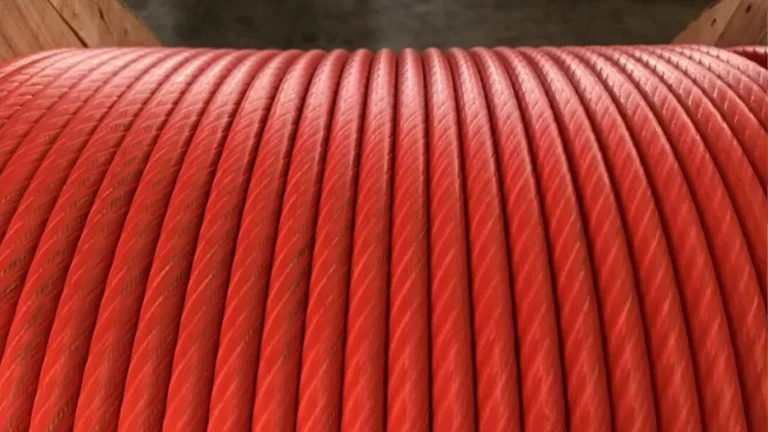
Moreover, the drum surface contains precision-machined helical grooves. These grooves guide the wire rope evenly, thereby reducing overlap, minimizing abrasion, and extending rope life.
2. Coupling Plate (Connection Disc)
The coupling plate connects the crane drum to the gearbox output shaft. Functionally, it acts as a half-gear coupling with internal teeth.
When the gearbox rotates, torque transfers through the coupling plate to the drum. Meanwhile, the wire rope tension force passes through the drum hub and shaft to the bearings and supporting structure.
Additionally, manufacturers install a split sealing cover near the coupling to prevent dust contamination while allowing regular lubrication.
3. Drum Hub Design
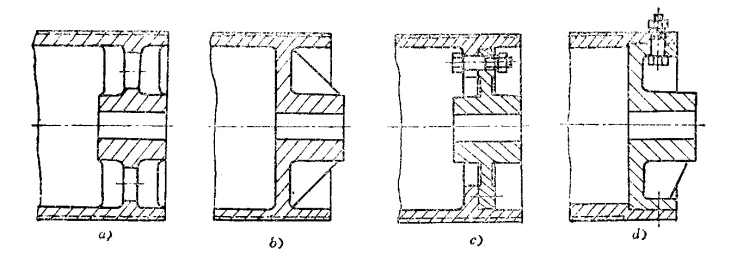
There are two common hub structures:
- Integral hub type(cast together with the drum)
- Assembled hub type(hub and drum manufactured separately, then bolted together)
Although integral hubs simplify structure, assembled hubs improve casting quality and reduce defect risks. Therefore, many modern crane designs prefer the assembled configuration for better manufacturability and maintenance.
4. Drum Shaft and Bearings
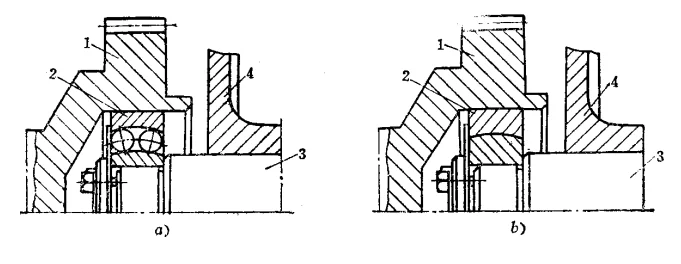
The drum shaft supports the drum but does not directly transmit torque. Instead, torque transfers through the gear coupling.
The shaft mainly bears:
- Self-weight of the drum
- Radial load caused by wire rope tension
Engineers typically use self-aligning rolling bearings or spherical sliding bearings to accommodate alignment deviations. Proper bearing support ensures smooth drum rotation and reduces vibration.
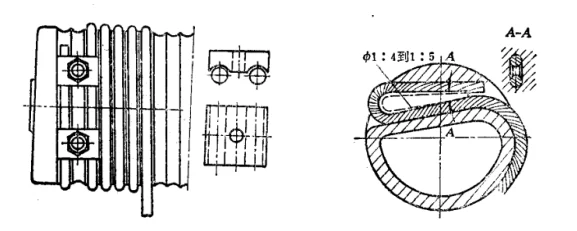
5. Wire Rope Fixing Device
The crane drum must secure the wire rope reliably while allowing easy inspection and replacement. Most fixing systems rely on friction and additional rope wraps (usually 1.5–3 turns) to reduce force at the fixing point.
Common fixing methods include:
- Pressure plate and bolt clamping
- Cover plate fastening (widely used today)
- Wedge-type fixing (often for smaller diameter ropes)
Each design ensures safe load holding while preventing excessive bending stress at the rope end.
Crane Drum Working Principle
The crane drum working process follows a clear mechanical transmission path.
First, the motor generates rotational energy. Then, the gearbox reduces speed and increases torque. After that, torque transfers to the crane drum via the coupling plate.
When the drum rotates:
- Clockwise rotation winds the wire rope onto the drum, lifting the load.
- Counterclockwise rotation releases the rope, lowering the load.
At the same time, the grooved surface ensures uniform rope layering. Furthermore, braking systems and limit switches control stopping position and prevent over-travel.
As a result, the crane drum converts rotational motion into controlled vertical lifting.
Why Crane Drum Design Matters
Because the crane drum directly manages wire rope movement, its structural integrity significantly affects:
- Lifting stability
- Rope wear rate
- Operational safety
- Maintenance frequency
For example, poor groove machining can cause rope misalignment, which increases abrasion and reduces rope life. Similarly, improper hub or bearing support can introduce vibration and structural fatigue.
Therefore, selecting a high-quality crane drum improves performance and reduces long-term operating costs.
Key Design Considerations
When sourcing or designing a crane drum, engineers typically evaluate:
- Drum diameter and length
- Groove pitch and depth
- Material strength
- Hub structure
- Bearing configuration
- Rope fixing method
In addition, manufacturers must ensure adequate lubrication access and sealing to protect internal gear couplings from dust and contamination.
Conclusion
The crane drum is a critical component within the hoisting system. It receives torque from the gearbox, rotates to wind or unwind the wire rope, and enables safe vertical lifting.
Because it directly influences load control and rope lifespan, proper material selection, structural design, and installation precision are essential.
For industrial operations, investing in a precision-engineered crane drum not only enhances lifting reliability but also reduces downtime and long-term maintenance costs.
FAQ – Crane Drum
1. What is a crane drum used for?
A crane drum winds and unwinds the wire rope during lifting operations. It converts rotational torque from the gearbox into controlled vertical motion, enabling safe load lifting and lowering.
2. How does a crane drum work?
The motor drives the gearbox, which reduces speed and increases torque. Then, torque transfers to the crane drum through a coupling plate. As the drum rotates, it winds or releases the wire rope to lift or lower the load.
3. What materials are used to manufacture a crane drum?
Manufacturers typically use cast iron, cast steel, or welded steel plate. Welded drums reduce weight, while cast drums offer strong structural stability in standard overhead crane applications.
4. Why are grooves machined on a crane drum?
Helical grooves guide the wire rope evenly across the drum surface. As a result, they prevent rope overlap, reduce wear, and extend wire rope service life.
5. How is the wire rope fixed to the crane drum?
Common fixing methods include pressure plate clamping, cover plate fastening, and wedge-type locking. These systems rely on friction and additional rope wraps to ensure safe load holding.
6. What happens if a crane drum is poorly designed?
Improper drum design can cause rope misalignment, uneven wear, vibration, and structural fatigue. Over time, this increases maintenance costs and safety risks.

 English
  Korean
  Russian
  Spanish
  Malay
Malay