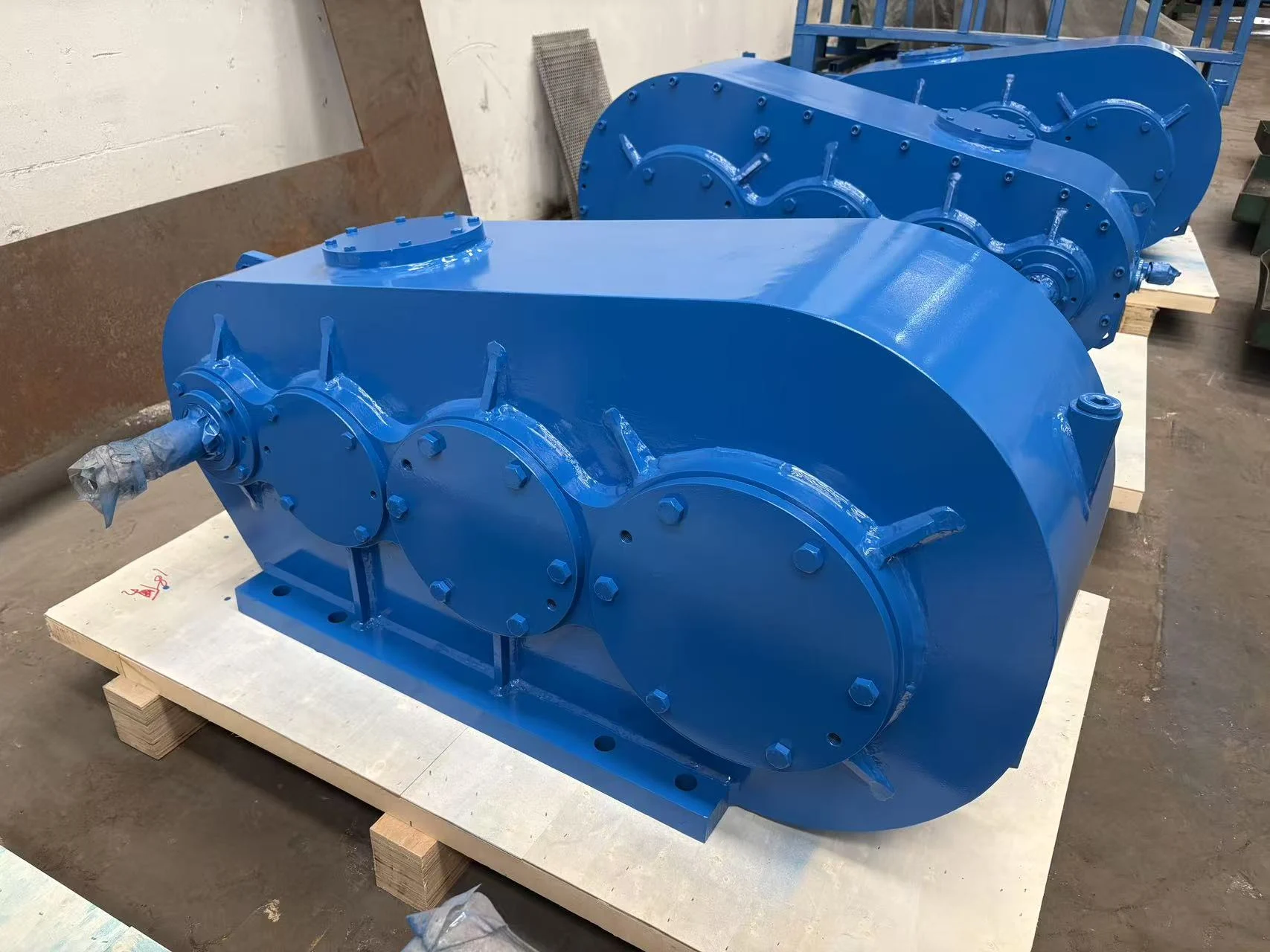
The gearbox is one of the most critical power transmission components in any crane system. It transfers torque from the motor to lifting, traveling, or trolley mechanisms while controlling speed and ensuring smooth operation.
However, gearbox failures remain one of the leading causes of crane downtime. Issues such as abnormal noise, overheating, oil leakage, vibration, and gear damage can significantly affect productivity and maintenance costs.
In this guide, we explain the most common crane gearbox problems, their causes, and practical solutions that maintenance teams can implement to improve equipment reliability.
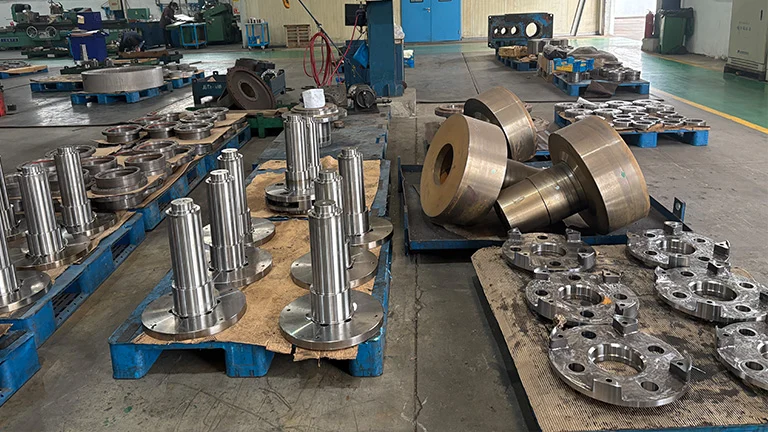
What Are the Most Common Редуктор крана Problems?
The most common crane gearbox problems include:
- Abnormal vibration or gear chatter
- Metal grinding noise
- Gearbox overheating
- Oil leakage
- Excessive vibration of the gearbox base
- Gear shaft failure
- Lubrication issues
Regular inspections, proper lubrication, alignment checks, and timely replacement of worn components can significantly reduce gearbox failures and extend service life.
Why Crane Gearboxes Fail
A crane gearbox operates under heavy loads, frequent start-stop cycles, and harsh industrial environments.
Over time, factors such as:
- Poor lubrication
- Misalignment
- Overloading
- Excessive vibration
- Component wear
can accelerate gearbox deterioration.
Identifying problems early helps avoid costly breakdowns and unplanned shutdowns.
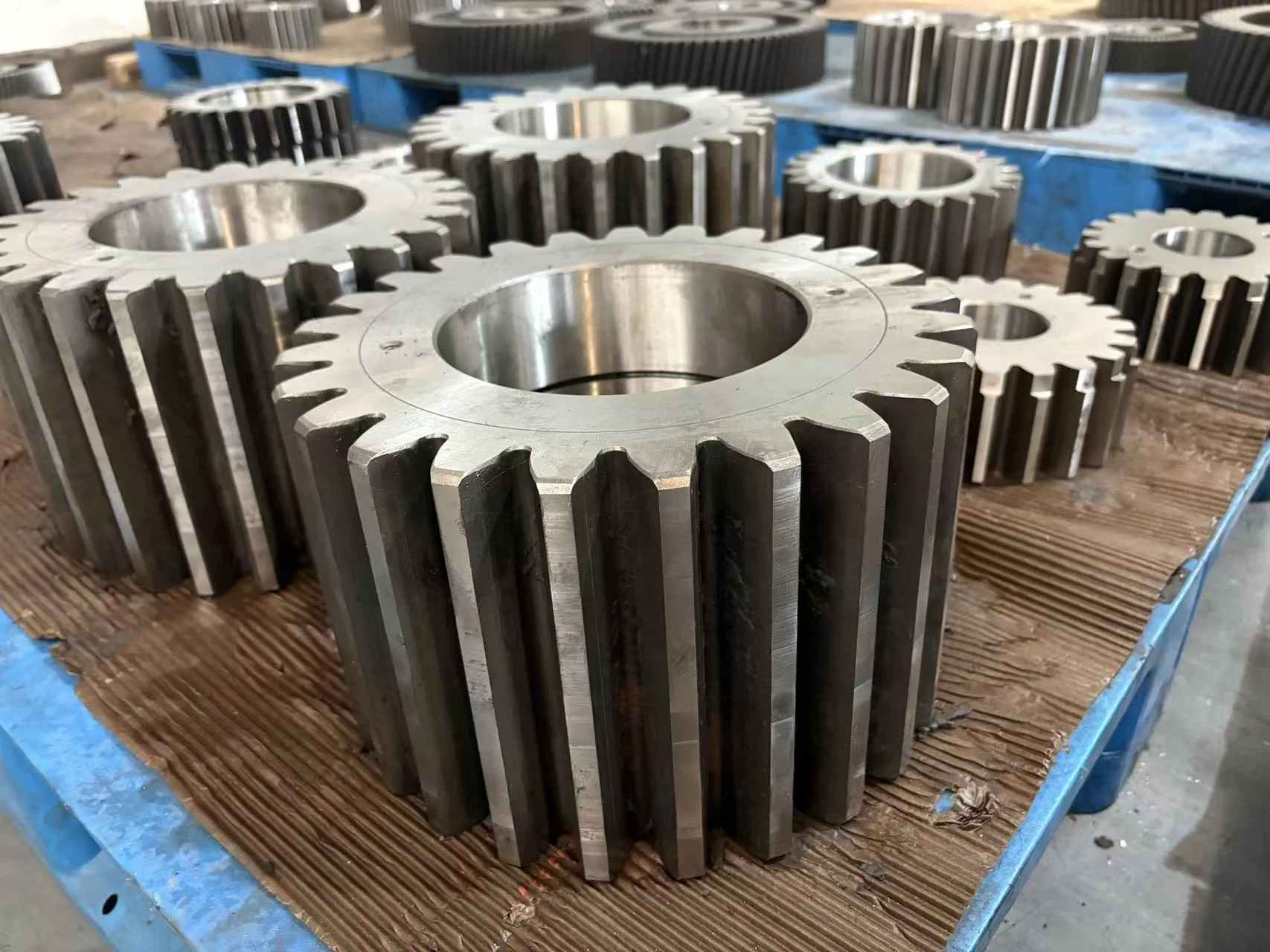
1. Gear Chatter and Abnormal Vibration
Symptoms
- Excessive gearbox vibration
- Irregular knocking sounds
- Reduced transmission smoothness
- Accelerated gear wear
Common Causes
- Excessive gear pitch errors
- Incorrect backlash settings
- Non-parallel gear shafts
- Uneven gear tooth surfaces
- Manufacturing defects
Solutions
- Reinstall and align gears correctly
- Adjust gear backlash to specification
- Correct shaft parallelism
- Replace damaged gears
- Perform precision gear machining if necessary
Early correction prevents tooth surface fatigue and premature gear failure.
2. Metal Grinding Noise or Abnormal Sounds
Symptoms
- Metallic scraping noises
- Continuous grinding sounds
- Increased operating noise levels
Common Causes
- Insufficient gear backlash
- Gear tooth damage
- Improper gear mesh contact
- Worn bearings
Solutions
- Inspect gear tooth contact patterns
- Adjust gear clearances
- Repair or replace damaged gears
- Replace worn bearings
Proper meshing ensures smooth power transmission and reduces stress concentration.
3. Gearbox Overheating
Overheating is one of the most common crane gearbox problems found in heavy-duty lifting applications.
Symptoms
- High housing temperature
- Burning oil smell
- Reduced lubrication performance
- Premature component wear
Common Causes
Bearing Damage
Broken or seized bearings generate excessive friction and heat.
Gear Wear
Worn gears create additional resistance during operation.
Insufficient Lubrication
Low oil levels reduce heat dissipation and increase metal-to-metal contact.
Solutions
- Replace damaged bearings
- Repair worn gears
- Monitor oil levels regularly
- Use manufacturer-approved lubricants
4. Gearbox Oil Leakage
Symptoms
- Oil stains around housing joints
- Low oil levels
- Frequent lubricant replenishment
Common Causes
- Failed seals
- Loose bolts
- Distorted gearbox housing
- Uneven joint surfaces
Solutions
- Replace damaged seals
- Tighten fasteners
- Restore sealing surfaces
- Clean return oil channels
- Replace severely damaged housings
Preventing oil leaks helps maintain lubrication quality and gearbox efficiency.
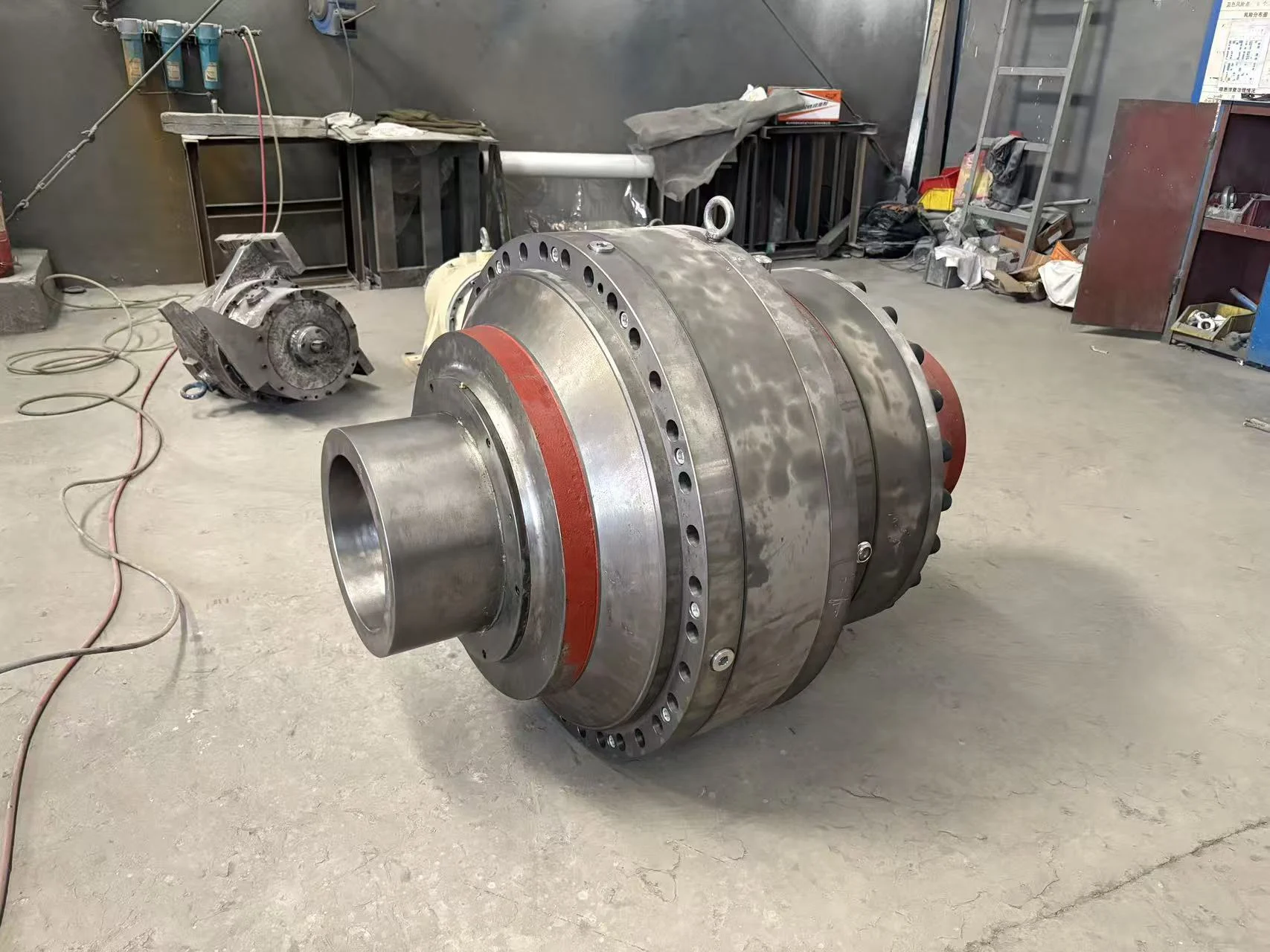
5. Excessive Gearbox Base Vibration
Symptoms
- Gearbox movement during operation
- Abnormal structural vibration
- Increased noise levels
Common Causes
- Loose foundation bolts
- Shaft misalignment
- Weak supporting structure
- Poor installation practices
Solutions
- Tighten foundation bolts
- Realign connected shafts
- Improve base rigidity
- Verify installation tolerances
Stable mounting conditions significantly reduce gearbox stress.
6. Excessive Overall Gearbox Temperature
Sometimes the gearbox overheats even when gears and bearings appear normal.
Common Cause
Excessive Lubricating Oil
Too much oil creates additional churning losses and heat generation.
Solution
Maintain lubricant levels according to manufacturer recommendations.
Proper oil quantity improves cooling performance and energy efficiency.
7. Gear Shaft Failure
Symptoms
- Sudden loss of power transmission
- Visible shaft cracks
- Complete shaft breakage
Common Causes
- Long-term overloading
- Shock loading
- Material defects
- Improper heat treatment
- Fatigue failure
Solutions
- Replace damaged shafts
- Verify load conditions
- Avoid overload operation
- Conduct regular non-destructive testing (NDT)
Shaft failure often indicates broader system issues that require root cause analysis.
Preventive Maintenance Tips for Crane Gearboxes
A preventive maintenance program can significantly reduce gearbox failures.
Follow a Routine Inspection Schedule
Inspect:
- Gear wear
- Bearing condition
- Lubrication quality
- Oil leakage
- Mounting bolts
- Shaft alignment
Monitor Lubricating Oil Condition
Check regularly for:
- Contamination
- Metal particles
- Water ingress
- Oil degradation
Oil analysis helps identify internal wear before catastrophic failure occurs.
Avoid Overloading
Operating beyond rated capacity increases:
- Gear tooth stress
- Bearing loads
- Shaft fatigue
Following load limits protects the entire drivetrain.
Control Vibration
Excessive vibration accelerates:
- Bearing wear
- Gear tooth fatigue
- Seal damage
Routine alignment checks are essential for long-term reliability.
Crane Gearbox Troubleshooting Checklist
| Problem | Possible Cause | Recommended Solution |
|---|---|---|
| Gear chatter | Misalignment, pitch error | Realign gears and shafts |
| Grinding noise | Gear damage, low backlash | Adjust mesh or replace gears |
| Overheating | Bearing failure, low lubrication | Replace bearings and replenish oil |
| Oil leakage | Seal failure | Replace seals |
| Base vibration | Loose bolts, poor alignment | Tighten bolts and align shafts |
| Excessive heat | Too much oil | Adjust oil level |
| Shaft failure | Перегрузка, усталость | Replace shaft and review operating conditions |
Why Choose Hanko for Crane Gearbox Components?
At Ханко, we supply high-quality crane drivetrain components designed for demanding industrial applications.
Our product range includes:
- Crane gearboxes
- Gear shafts
- Gear wheels
- Bearings
- Couplings
- Brake assemblies
- Complete crane spare parts solutions
Every component undergoes strict quality inspection to ensure reliable performance and long service life.
Need Help Solving Crane Gearbox Problems?
Unexpected gearbox failures can stop production and increase maintenance costs.
Hanko can help you:
✔ Diagnose gearbox failures
✔ Supply replacement gears and shafts
✔ Improve gearbox reliability
✔ Reduce downtime and maintenance costs
✔ Extend equipment service life
Contact Hanko Today
Request a free technical consultation and receive expert recommendations for your crane gearbox maintenance or replacement project.
Frequently Asked Questions (FAQ)
What is the most common crane gearbox problem?
Gearbox overheating, abnormal vibration, oil leakage, and gear wear are among the most frequently reported crane gearbox issues.
Why does a crane gearbox make grinding noises?
Grinding noises usually indicate insufficient gear backlash, damaged gear teeth, bearing wear, or poor gear meshing.
How often should crane gearbox oil be changed?
The interval depends on operating conditions and manufacturer recommendations. Heavy-duty cranes typically require more frequent oil inspections and replacements.
What causes gearbox overheating?
Common causes include bearing failure, insufficient lubrication, excessive oil levels, gear wear, and continuous overload operation.
How can I extend crane gearbox service life?
Regular inspections, proper lubrication, alignment checks, vibration monitoring, and avoiding overload conditions are the most effective methods.
When should a crane gearbox be replaced instead of repaired?
Replacement is often recommended when the housing is severely damaged, multiple internal components have failed, or repair costs exceed a significant percentage of replacement costs.
Related Articles
- How to Extend Crane Service Life
- Crane Motor Selection Guide
- Crane Brake Failure Analysis and Prevention
- How to Extend Crane Brake Service Life
- How to Inspect Crane Wheels Properly
- Crane Wheel vs Rail Wear: Common Causes and Solutions
- Forged vs Cast Crane Wheels: Which Is Better?
- Industrial Crane Components List: Full Guide

 English
  Korean
  Russian
  Spanish
  Malay
Malay  Afrikaans
  Bulgarian
  French
  Bengali
  Italian
  Hungarian
  Vietnamese
  Thai
Thai  Indonesian
  German
  Arabic
  Japanese