Overhead cranes are essential for material handling in manufacturing, warehouses, ports, steel plants, and power stations. However, even a well-designed crane can develop mechanical or electrical issues after years of continuous operation.
Understanding common overhead crane problems helps maintenance teams reduce downtime, improve workplace safety, and extend equipment life. This guide explains the most frequent crane failures, their causes, practical solutions, and preventive maintenance tips based on real industrial applications.
Избранный фрагмент
What are the most common overhead crane problems?
The most common overhead crane problems include brake failure, gearbox noise, wheel misalignment, wire rope wear, hook damage, motor overheating, electrical control failures, and malfunctioning safety devices. Regular inspections, proper lubrication, timely replacement of worn components, and preventive maintenance significantly reduce unexpected downtime and improve crane safety.
Why Overhead Crane Problems Occur
Even high-quality cranes experience wear over time. The most common causes include:
- Heavy-duty operation
- Overloading
- Lack of preventive maintenance
- Poor lubrication
- Environmental corrosion
- Electrical component aging
- Incorrect operator practices
Therefore, identifying problems early prevents expensive repairs and unexpected shutdowns.
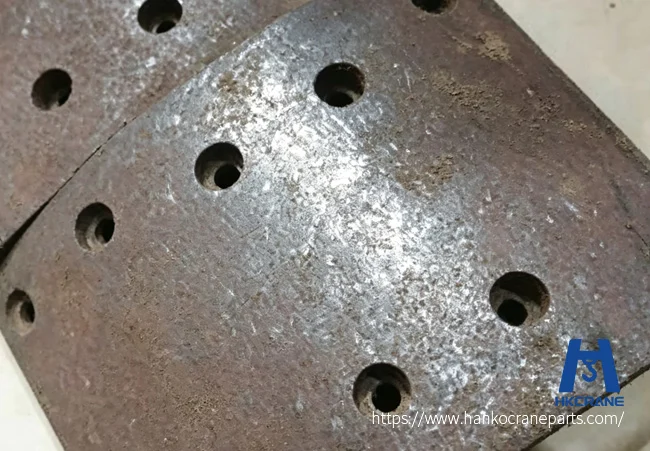
1. Brake Problems
The braking system is one of the most important safety components of an overhead crane.
Common Symptoms
- Load slips after lifting
- Brake fails to release
- Brake overheats
- Burning smell during operation
Possible Causes
- Brake lining contamination
- Worn brake pads
- Weak brake spring force
- Misaligned brake assembly
- Low coil voltage
- Damaged brake coil
Recommended Solutions
- Clean oil or grease from friction surfaces.
- Replace worn brake linings immediately.
- Adjust brake spring tension.
- Realign the brake assembly.
- Replace damaged electrical coils.
- Verify the correct power supply voltage.
Maintenance Tip
Inspect the brake system during every scheduled crane inspection because braking failures directly affect lifting safety.
2. Gearbox Problems
The gearbox transfers motor power to the lifting mechanism. Without proper maintenance, internal wear accelerates quickly.
Common Symptoms
- Excessive vibration
- Grinding noise
- Oil leakage
- Increased operating temperature
Possible Causes
- Insufficient lubrication
- Worn gears
- Bearing failure
- Loose mounting bolts
- Shaft misalignment
Recommended Solutions
- Check lubricant level regularly.
- Replace contaminated gear oil.
- Tighten mounting hardware.
- Replace damaged gears or bearings.
- Correct shaft alignment.
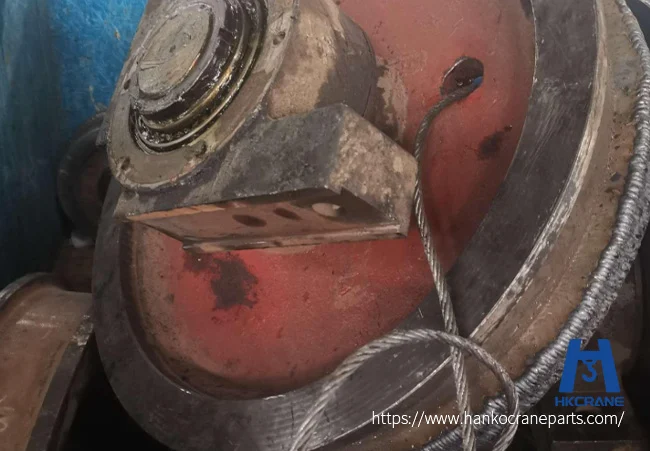
3. Crane Wheel and Rail Problems
Wheel alignment greatly affects crane travel accuracy and structural life.
Common Symptoms
- Crane travels unevenly
- Wheel flange wear
- Rail squealing
- Crane skewing
Possible Causes
- Different wheel diameters
- Rail installation errors
- Worn bearings
- Bridge deformation
- Improper wheel installation
Recommended Solutions
- Measure wheel diameters regularly.
- Adjust rail alignment.
- Replace damaged wheels.
- Repair structural deformation.
- Maintain proper bearing lubrication.
4. Wire Rope and Hook Problems
Wire ropes and hooks are critical load-bearing components that require routine inspection.
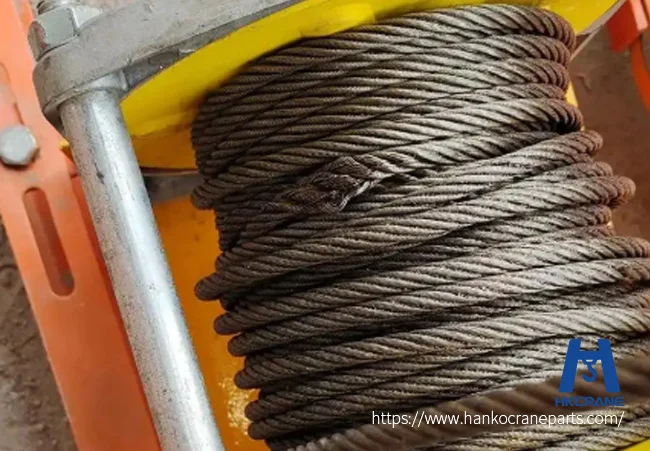
Common Wire Rope Problems
- Broken wires
- Birdcaging
- Corrosion
- Flattening
- Poor drum winding
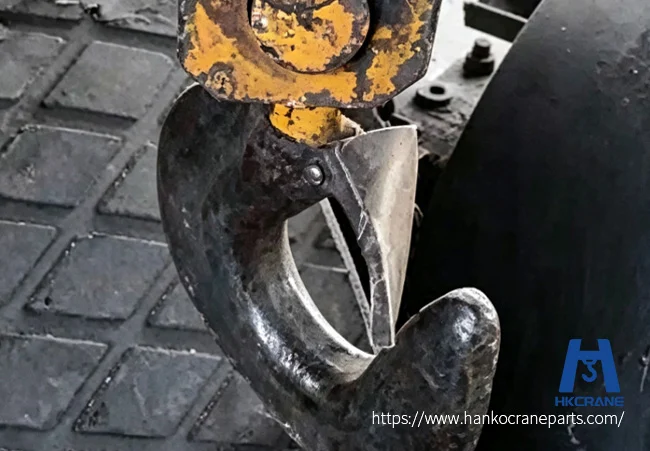
Common Hook Problems
- Hook throat opening enlargement
- Cracks
- Excessive wear
- Missing safety latch
Recommended Solutions
- Replace wire ropes that exceed discard criteria.
- Lubricate ropes according to manufacturer recommendations.
- Avoid shock loading and side pulling.
- Replace cracked or deformed hooks immediately.
- Check hook safety latches before every shift.
5. Motor Problems
Electric motors operate continuously under demanding conditions.
Common Symptoms
- Motor overheating
- Abnormal vibration
- Unusual noise
- Failure to start
Possible Causes
- Frequent starts and stops
- Overloading
- Phase loss
- Bearing damage
- Low voltage
Recommended Solutions
- Reduce excessive starting frequency.
- Operate within rated capacity.
- Check power supply.
- Replace worn bearings.
- Monitor motor temperature.
6. Electrical Control Problems
Electrical failures often stop crane operation without warning.
Common Symptoms
- Main contactor does not engage
- Crane moves in only one direction
- Control buttons fail
- Circuit breaker trips repeatedly
Possible Causes
- Damaged contactor
- Blown fuse
- Loose wiring
- Faulty limit switch
- Coil failure
- Short circuit
Recommended Solutions
- Inspect the electrical control panel.
- Replace defective contactors.
- Tighten electrical terminals.
- Test limit switches.
- Replace damaged control cables.
- Verify proper grounding.
7. Safety Device Failures
Modern overhead cranes rely on multiple safety devices to prevent accidents.
These include:
- Ограничители перегрузки
- Верхние и нижние концевые выключатели
- Travel limit switches
- Emergency stop buttons
- Системы предотвращения столкновений
- Hook safety latches
- Rail sweep devices
If any safety device fails, stop crane operation immediately until repairs are completed.
Preventive Maintenance Checklist
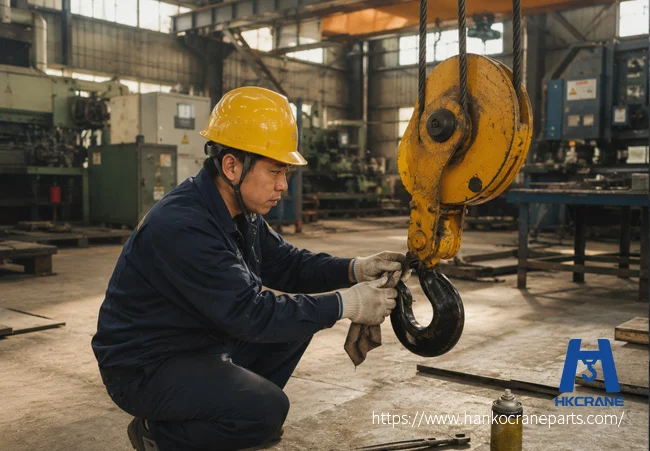
Instead of waiting for failures, follow a preventive maintenance schedule.
|
Inspection Item |
Recommended Frequency |
|
Brake inspection |
Daily |
|
Wire rope inspection |
Daily |
|
Hook inspection |
Daily |
| Safety device test |
Weekly |
| Gearbox lubrication |
Monthly |
| Wheel alignment |
Quarterly |
| Electrical inspection |
Quarterly |
| Load testing |
Annually or according to regulations |
Routine maintenance reduces unexpected downtime and extends crane service life.
How Hanko Supports Crane Maintenance
At Ханко, we supply reliable crane components that help customers improve equipment safety and reduce maintenance costs.
Our product range includes:
- Электрические тали
- Wire rope hoists
- Тали
- Crane brakes
- Crane wheels
- Wire rope drums
- Couplings
- Концевые выключатели
- Крюки для крана
- Crane rail clamps
- Storm brakes
- Hydraulic thrusters
- Other overhead crane spare parts
All components undergo strict quality inspections before shipment to ensure stable performance in demanding industrial environments.
Engineering Insight
“Most major crane failures begin as small maintenance issues. Regular inspections and timely replacement of wear parts cost far less than emergency repairs or production downtime.” — Senior Crane Maintenance Engineer
Frequently Asked Questions (FAQ)
What is the most common overhead crane problem?
Brake failure, wire rope wear, electrical control faults, and wheel misalignment are among the most common overhead crane problems.
How often should an overhead crane be inspected?
Operators should perform daily visual inspections before use. More comprehensive weekly, monthly, quarterly, and annual inspections should follow the manufacturer’s maintenance schedule and local safety regulations.
What causes overhead crane brakes to fail?
Common causes include worn brake linings, oil contamination, weak springs, incorrect brake adjustment, damaged coils, and electrical supply issues.
When should a crane wire rope be replaced?
Replace the wire rope when broken wires, corrosion, deformation, birdcaging, or wear exceed the applicable inspection standards or manufacturer recommendations.
How can I reduce overhead crane downtime?
Implement preventive maintenance, inspect safety devices regularly, lubricate moving components, replace worn parts promptly, and train operators on proper crane operation.
Related Articles
Use internal links to strengthen your crane maintenance content cluster:
- How to Maintain an Electric Hoist
- Common Electric Hoist Failures and Fixes
- Overhead Crane Inspection Checklist
- Daily Crane Safety Checklist
- Chain Hoist vs Wire Rope Hoist: Pros and Cons
- Explosion-Proof Electric Hoist Guide
- Crane Storm Brake Shipment to Vietnam
- Electric Hoist vs Wire Rope Hoist
CTA — Keep Your Crane Running Safely
Unexpected crane failures increase repair costs, interrupt production, and create safety risks. A proactive maintenance strategy combined with high-quality replacement parts helps maximize equipment uptime.
Looking for reliable overhead crane spare parts?
Ханко supplies electric hoists, crane brakes, storm brakes, wheel assemblies, hooks, hydraulic thrusters, limit switches, and other crane components for industrial lifting systems worldwide.
Contact Hanko today for technical support, product recommendations, or a fast quotation tailored to your crane maintenance requirements.

 English
  Korean
  Russian
  Spanish
  Malay
Malay  Afrikaans
  Bulgarian
  French
  Bengali
  Italian
  Hungarian
  Vietnamese
  Thai
Thai  Indonesian
  German
  Arabic
  Japanese