An electric hoist is one of the most important lifting components in industrial crane systems. It directly affects lifting safety, operating efficiency, positioning accuracy, and maintenance costs.
However, choosing the wrong electric hoist can lead to overload risks, frequent failures, excessive downtime, and reduced equipment lifespan.
Therefore, businesses should evaluate load requirements, working conditions, duty classification, lifting speed, and installation space before selecting an electric hoist.
In this guide, Hanko explains how to choose the right electric hoist for industrial applications.
Featured Snippet: How Do You Choose an Electric Hoist?
To choose the right electric hoist, you should evaluate:
- Rated lifting capacity
- Lifting height
- Duty classification (M3–M8)
- Lifting speed
- Power supply requirements
- Working environment
- Installation space
- Safety and maintenance requirements
The correct electric hoist improves operational safety, lifting efficiency, and equipment lifespan.
1. What Is an Electric Hoist?
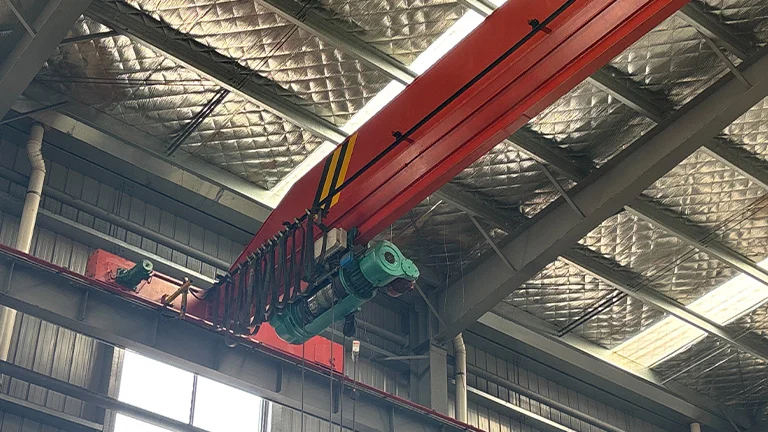
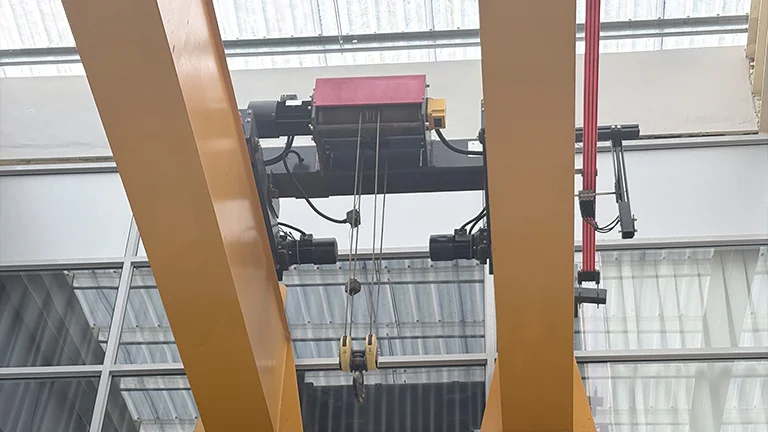
An electric hoist is a powered lifting device that uses:
- An electric motor
- Gearbox
- Тормозная система
- Drum or chain wheel
- Wire rope or chain
to lift and lower heavy loads.
Electric hoists are widely installed on:
- Козловые краны
- Козловые краны
- Jib cranes
- Monorail systems
- Workstation cranes
They are commonly used in factories, warehouses, workshops, ports, steel plants, and construction sites.
2. Main Types of Electric Hoists
Before selecting a hoist, it is important to understand the main types available.
2.1 Wire Rope Electric Hoist
Wire rope hoists use steel wire ropes for lifting operations.
Advantages
- Higher lifting capacity
- Longer lifting height
- Smooth operation
- Suitable for heavy-duty applications
Typical Capacity
0.5 ton to 80 tons or more
Common Applications
- Manufacturing plants
- Steel mills
- Heavy industry
- Logistics centers
👉 Wire rope hoists are ideal for high-capacity industrial lifting.
2.2 Chain Electric Hoist
Chain hoists use alloy lifting chains instead of wire ropes.
Advantages
- Compact structure
- Lightweight design
- Easier installation
- Better for limited spaces
Typical Capacity
0.5 ton to 60 tons
Common Applications
- Workshops
- Maintenance stations
- Assembly lines
- Small lifting systems
👉 Chain hoists work well in compact industrial environments.
2.3 Explosion-Proof Electric Hoist
Explosion-proof hoists are designed for hazardous environments.
Suitable Industries
- Chemical plants
- Oil & gas
- Mining
- Explosive material handling
These hoists comply with explosion-proof safety standards.
3. Determine the Required Lifting Capacity
The first step in electric hoist selection is calculating the rated load.
What to Include
You should include:
- Load weight
- Packaging weight
- Lifting attachments
- Hook weight
Best Practice
Choose a hoist with a slightly higher rated capacity than the maximum expected load.
For example:
| Actual Load | Recommended Hoist |
|---|---|
| 1 ton | 1.5–2 ton |
| 3 ton | 5 ton |
| 8 ton | 10 ton |
👉 Safety margin helps prevent overload and extends hoist life.
4. Select the Correct Lifting Height
The required lifting height depends on:
- Building height
- Equipment clearance
- Hook travel distance
- Obstacle position
Important Tip
If headroom is limited, choose a:
- Low headroom electric hoist
This design maximizes lifting height in restricted spaces.
5. Understand Hoist Duty Classification
Duty classification determines how intensively the hoist can operate.
Common Duty Classes
| Duty Class | Usage Level | Typical Application |
|---|---|---|
| M3 / M4 | Light duty | Maintenance workshops |
| M5 | Medium duty | Manufacturing plants |
| M6 | Heavy duty | Steel plants |
| M7 / M8 | Very heavy duty | Continuous production |
Factors Affecting Duty Class
- Working frequency
- Daily operating hours
- Load percentage
- Start-stop cycles
👉 Selecting the wrong duty class significantly shortens hoist lifespan.
6. Choose the Appropriate Lifting Speed
Lifting speed affects productivity and positioning accuracy.
Single-Speed Hoist
Features
- Simple structure
- Lower cost
- Standard lifting speed
Typical Speed
8 m/min
Suitable For
General industrial lifting
Dual-Speed Hoist
Features
- Fast lifting + slow positioning
- Improved accuracy
- Safer load handling
Example Speed
8/0.8 m/min
Suitable For
- Precision handling
- Mold lifting
- Equipment installation
Variable Frequency (VFD) Hoist
Advantages
- Smooth acceleration
- Precise speed control
- Reduced impact load
- Energy savings
👉 VFD hoists are increasingly popular in modern automated factories.
7. Confirm Power Supply Requirements
Always verify local power conditions before purchasing an electric hoist.
Common Power Configurations
- 3-phase 380V
- 3-phase 415V
- Single-phase 220V
Why It Matters
Incorrect voltage selection may cause:
- Motor overheating
- Brake failure
- Electrical damage
8. Consider the Working Environment
Operating conditions strongly influence hoist selection.
8.1 High Temperature Environment
Choose:
- Heat-resistant motors
- High-temperature cables
- Special lubrication systems
Common Industries
- Steel plants
- Foundries
- Metallurgical workshops
8.2 Corrosive Environment
Choose:
- Corrosion-resistant coatings
- Stainless steel components
- Sealed electrical systems
Common Industries
- Chemical plants
- Coastal facilities
8.3 Hazardous Environment
Use explosion-proof electric hoists in:
- Oil refineries
- Gas plants
- Mining operations
9. Evaluate Installation Type
Different installations require different hoist configurations.
Common Installation Types
Fixed Electric Hoist
Installed permanently in one location.
Electric Trolley Hoist
Moves horizontally along beam tracks.
Low Headroom Hoist
Designed for limited ceiling height.
👉 Proper installation selection improves workspace efficiency.
10. Safety Features to Consider
Modern electric hoists should include essential safety protections.
Recommended Safety Features
- Overload protection
- Upper/lower limit switches
- Emergency stop
- Thermal motor protection
- Brake monitoring
- Phase protection
These features reduce operational risks and equipment damage.
11. Maintenance and Serviceability
Easy maintenance reduces downtime and operating costs.
Key Maintenance Areas
- Wire rope or chain lubrication
- Brake inspection
- Gearbox oil checks
- Hook inspection
- Motor temperature monitoring
Important Tip
Choose hoists with:
- Easy-access components
- Available spare parts
- Reliable technical support
Common Mistakes When Choosing an Electric Hoist
Avoid these common selection errors:
❌ Choosing only based on price
❌ Ignoring duty classification
❌ Underestimating lifting height
❌ Using non-explosion-proof hoists in hazardous areas
❌ Selecting insufficient lifting capacity
❌ Ignoring future production expansion
👉 Correct selection reduces long-term operational costs.
Why Choose Hanko Electric Hoists?
Hanko provides industrial electric hoist solutions for various lifting applications.
Hanko Advantages
- Stable lifting performance
- Heavy-duty industrial design
- OEM customization support
- Low headroom solutions
- Explosion-proof options
- Technical engineering assistance
- Fast spare parts service
Hanko Hoist Products
- Wire rope electric hoists
- Chain electric hoists
- Explosion-proof hoists
- Low headroom hoists
- Double-speed hoists
- VFD-controlled hoists
Whether for factories, warehouses, ports, or steel plants, Hanko helps customers select reliable hoist systems for safe lifting operations.
Get Professional Electric Hoist Selection Support
Not sure which electric hoist fits your application?
Hanko engineers can help you:
- Select the correct hoist capacity
- Match duty classification
- Optimize lifting efficiency
- Reduce maintenance costs
- Improve crane safety
👉 Contact Hanko today for technical consultation, pricing, or customized electric hoist solutions.
FAQ: Electric Hoist Selection
What is the difference between a wire rope hoist and a chain hoist?
Wire rope hoists are better for heavy-duty and high-capacity lifting, while chain hoists are more compact and suitable for lighter industrial applications.
How do I calculate electric hoist capacity?
You should calculate:
- Load weight
- Hook weight
- Lifting accessories
- Safety margin
Then select a hoist slightly above the maximum load requirement.
What duty class is suitable for industrial cranes?
Most industrial applications use:
- M5 for medium-duty operations
- M6 or above for heavy-duty continuous operation
Why is low headroom important?
Low headroom hoists maximize lifting height in buildings with limited ceiling space.
How often should electric hoists be inspected?
Daily visual checks and scheduled maintenance inspections are recommended to ensure safe operation and prevent unexpected failures.
Related Articles
- What Is a Crane Hoist
- Crane Brake System Explained
- Industrial Crane Components List
- Wire Rope Failure Analysis in Crane Systems
- How to Choose the Right Crane Gearbox
- Crane Maintenance Checklist
- Heavy Duty Crane Wheel Guide
- How to Extend Crane Service Life
Заключение
Choosing the right electric hoist requires more than simply selecting a lifting capacity. Businesses must also evaluate working conditions, duty classification, lifting speed, installation space, and safety requirements.
A properly selected electric hoist improves:
- Operational efficiency
- Equipment lifespan
- Positioning accuracy
- Workplace safety
By working with experienced suppliers like Hanko, companies can optimize lifting performance while reducing maintenance and downtime costs.

 English
  Korean
  Russian
  Spanish
  Malay
Malay  Afrikaans
  Bulgarian
  French
  Bengali
  Italian
  Hungarian
  Vietnamese
  Thai
Thai  Indonesian
  German
  Arabic
  Japanese