
Selecting the correct sheave size is essential for safe and efficient crane operation. The sheave works together with the wire rope and drum to guide the rope, transmit load forces, and reduce friction during lifting operations. Therefore, proper crane sheave size calculation directly affects rope service life, lifting efficiency, and overall system safety.
In this guide, we explain how crane sheave size is determined, including the factors that influence sizing, the role of sheaves in pulley systems, and practical selection principles used in lifting equipment.
What Is a Crane Sheave?
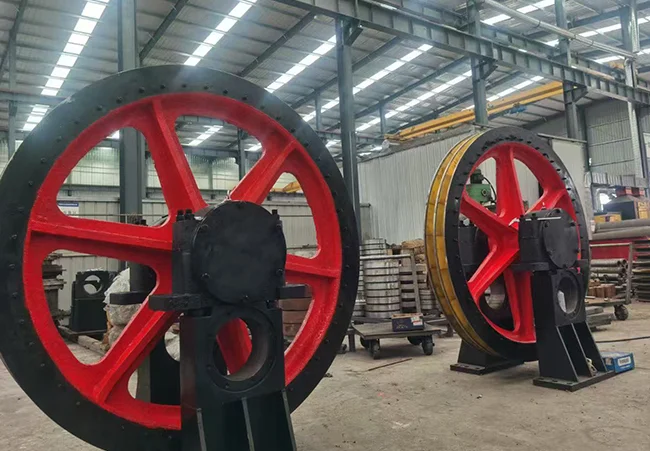
A crane sheave is a grooved wheel designed to guide and support wire rope movement in lifting systems. Sheaves are commonly used with winches, derricks, hoisting mechanisms, and rigging equipment.
In crane operations, the sheave mainly performs three functions:
- guiding the wire rope path
- supporting rope movement
- transmitting lifting forces
Sheaves are also a key part of pulley block systems, which allow cranes to lift heavy loads with reduced pulling force.
Types of Crane Sheaves
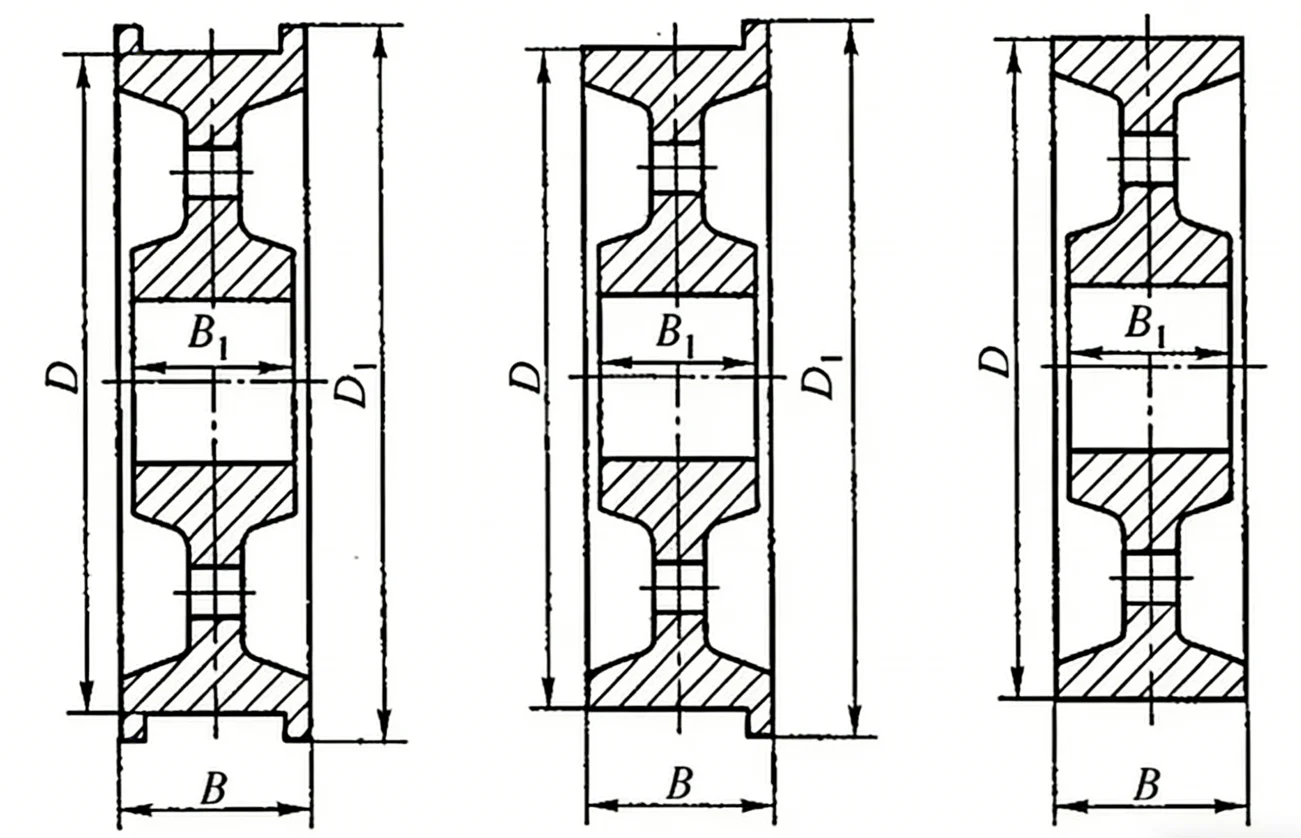
Crane sheaves can be classified in several ways depending on structure, function, and installation method.
1. Classification by Material
Sheaves are typically manufactured from:
- Wood (traditional applications)
- Steel
In modern cranes, steel sheaves are widely used because they provide higher strength and durability.
2. Classification by Function
Sheaves are commonly categorized into:
Fixed sheaves
Fixed sheaves mainly support rope movement. They change the direction of the rope but do not reduce the lifting force.
These sheaves are often used as:
- guide sheaves
- balance sheaves
Moving sheaves
Moving sheaves travel with the load. When lifting equipment uses a moving sheave, the load is shared by multiple rope segments.
For example, when two rope segments support the load, each rope carries approximately 50% of the total weight.
3. Guide Sheaves
Guide sheaves (also called open sheaves) are used to redirect the wire rope path.
They allow operators to insert the rope from the side opening without dismantling the system. Therefore, guide sheaves are often installed near the base of lifting masts or at rope redirection points.
4. Pulley Blocks
A pulley block consists of multiple fixed and moving sheaves connected by a rope system.
This arrangement provides several advantages:
- reduces pulling force
- changes the direction of force
- increases lifting capacity
For heavy lifting operations, engineers often use multiple pulley blocks to significantly reduce the required traction force.
Key Factors in Crane Sheave Size Calculation
Proper crane sheave size calculation depends on several technical parameters.
1. Wire Rope Diameter
The wire rope diameter is the most important factor in determining sheave size.
The sheave groove must match the rope diameter to ensure proper contact and minimize wear.
Typical design practice recommends:
Sheave groove radius ≈ 0.53 × rope diameter
This ensures that the rope sits correctly in the groove without excessive compression or slipping.
2. Sheave Diameter
The sheave diameter must be large enough to reduce rope bending fatigue.
If the sheave diameter is too small, the wire rope will experience repeated bending stress, which significantly shortens its service life.
Therefore, crane design standards usually specify a minimum sheave diameter ratio relative to rope diameter.
Larger sheave diameters offer several benefits:
- lower bending stress on the rope
- longer rope service life
- smoother lifting operation
3. Number of Sheaves in the System
Another factor in crane sheave size calculation is the number of sheaves used in the pulley block.
When more sheaves are used:
- the lifting force required from the winch decreases
- the lifting capacity increases
However, increasing the number of sheaves also increases mechanical resistance. The winch must overcome this resistance during lifting operations.
4. Lifting Height and Load Weight
The weight of the load and the lifting height also influence the sheave selection.
When engineers choose a pulley system, they typically consider:
- equipment weight
- lifting height
- required mechanical advantage
- winch traction capacity
These factors determine both the number of sheaves and the required sheave size.
Principles for Selecting a Crane Pulley System
When choosing a pulley system, engineers generally follow several practical principles.
Load Capacity
The weight of the lifted equipment or structure is the primary selection factor. The pulley system must provide sufficient mechanical advantage to handle the load safely.
Winch Traction Force
If the winch pulling force is fixed, increasing the number of sheaves will increase the speed ratio and improve lifting capacity.
Friction Resistance
During lifting operations, the winch must overcome the resistance generated by all sheaves in the system.
However, during lowering operations, this resistance actually helps control the load movement. Therefore, the required traction force during lowering is usually smaller than during lifting.
Double Rope Ends
Using a double rope end configuration can significantly improve lifting performance.
This method can:
- nearly double the lifting height
- increase lifting capacity
- reduce required traction force
Sheave Series and Standard Specifications
Standard crane sheave series usually follow national or industry standards.
For example, some standardized sheave systems include:
- 14 load capacity levels
- 11 sheave diameters
- 17 structural designs
- more than 100 specification options
These standardized designs help engineers quickly select suitable sheaves for different lifting applications.
Kesimpulan
Proper crane sheave size calculation is critical for maintaining safe and efficient crane operations. Engineers must consider several factors, including rope diameter, sheave diameter ratio, load capacity, and pulley system configuration.
By selecting the correct sheave size and pulley arrangement, operators can reduce wire rope wear, improve lifting efficiency, and extend the service life of crane components.
Need Reliable Crane Parts?
Hanko provides high-quality crane components including:
👉 Hubungi pasukan kami untuk spesifikasi dan sebut harga.
To better understand crane lifting systems, you may also read our guide on crane drum, crane sheave, and crane hook types.
- Overhead Crane vs Gantry Crane: Key Differences Explained
- Cara Memilih Drum Kren yang Tepat
- Senarai Komponen Keselamatan Kren
- Overhead Crane Parts List: Essential Components Explained
Soalan Lazim
What factors affect crane sheave size calculation?
Sheave size mainly depends on wire rope diameter, load capacity, pulley configuration, and lifting system design.
Why is sheave diameter important?
A larger sheave diameter reduces wire rope bending fatigue and helps extend rope service life.
What is the purpose of a pulley block in cranes?
A pulley block combines fixed and moving sheaves to reduce pulling force and increase lifting capacity.
Can increasing the number of sheaves improve lifting capacity?
Yes. More sheaves increase mechanical advantage, which reduces required pulling force and improves lifting capability.

 English
  Korean
  Russian
  Spanish
  Malay
Malay  Afrikaans
  Bulgarian
  French
  Bengali
  Italian
  Hungarian
  Vietnamese
  Thai
Thai  Indonesian
  German
  Arabic
  Japanese