
Overhead cranes are widely used in manufacturing, warehouses, steel plants, ports, and heavy industrial facilities. These lifting systems rely on multiple mechanical and electrical components working together to ensure safe and efficient material handling.
Understanding the overhead crane parts list is important for crane operators, maintenance teams, and procurement managers. Each component performs a specific function that contributes to lifting performance, structural stability, and operational safety.
This guide explains the major crane parts used in overhead crane systems and describes their roles in lifting operations.
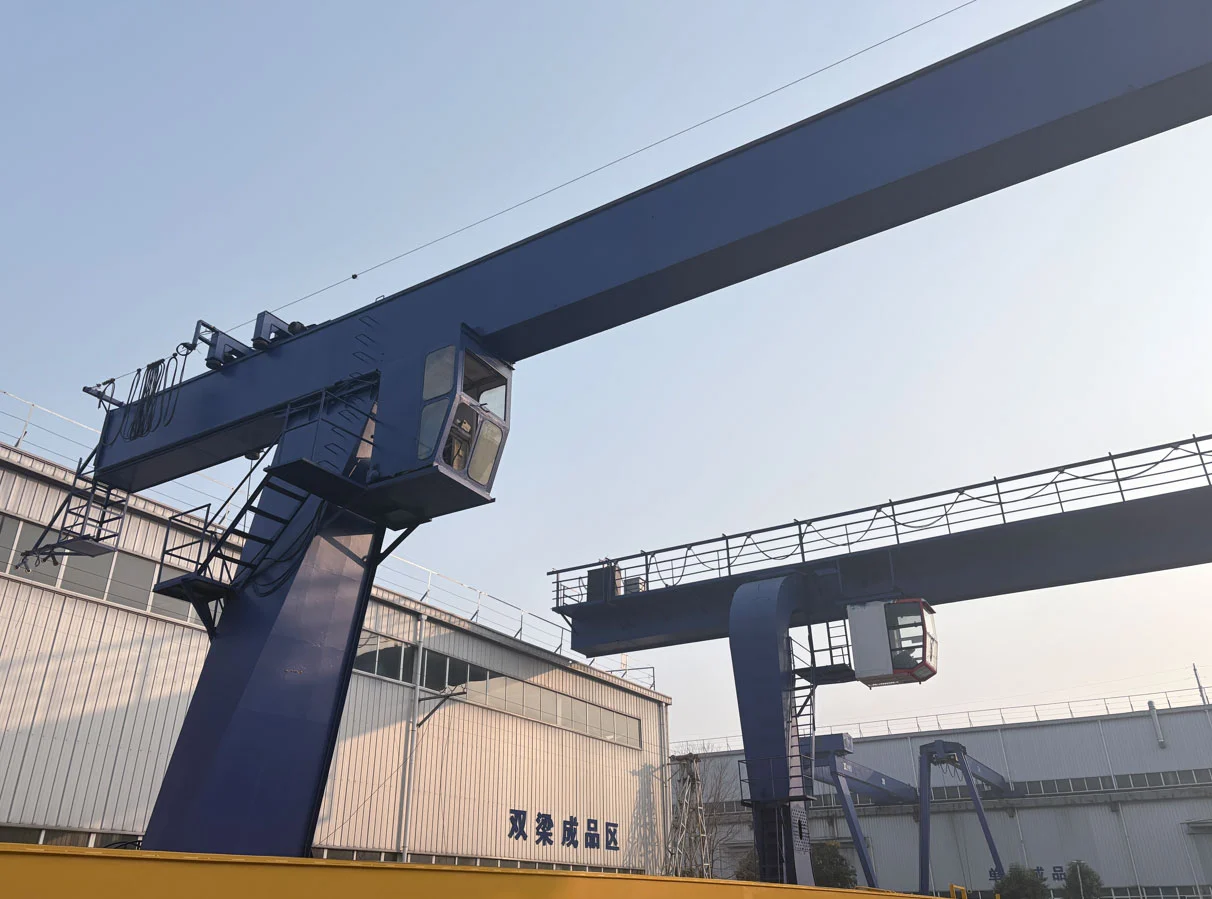
Main Structural Parts of an Overhead Crane
The structural framework forms the backbone of the crane. These components support the lifting system and distribute the load across the runway structure.
Crane Bridge
The crane bridge is the main horizontal beam that spans the working area. It travels along runway rails and supports the trolley and hoisting system.
Depending on lifting capacity and span requirements, cranes are usually designed as:
- Single girder cranes
- Double girder cranes
Double girder designs typically support heavier loads and larger spans.
End Carriages
End carriages connect to both ends of the bridge girder. These assemblies contain wheels, bearings, and drive motors that allow the crane to move along the runway rails.
End carriages ensure smooth and stable long-travel movement across the workshop or facility.
Crane Runway System
The runway system supports the entire crane structure. It includes rails, runway beams, and structural supports installed along the building.
This system allows the crane bridge to move horizontally across the working area.
Komponen Sistem Pengangkat
The hoisting system performs the actual lifting operation. It consists of several mechanical components that convert motor power into vertical lifting motion.
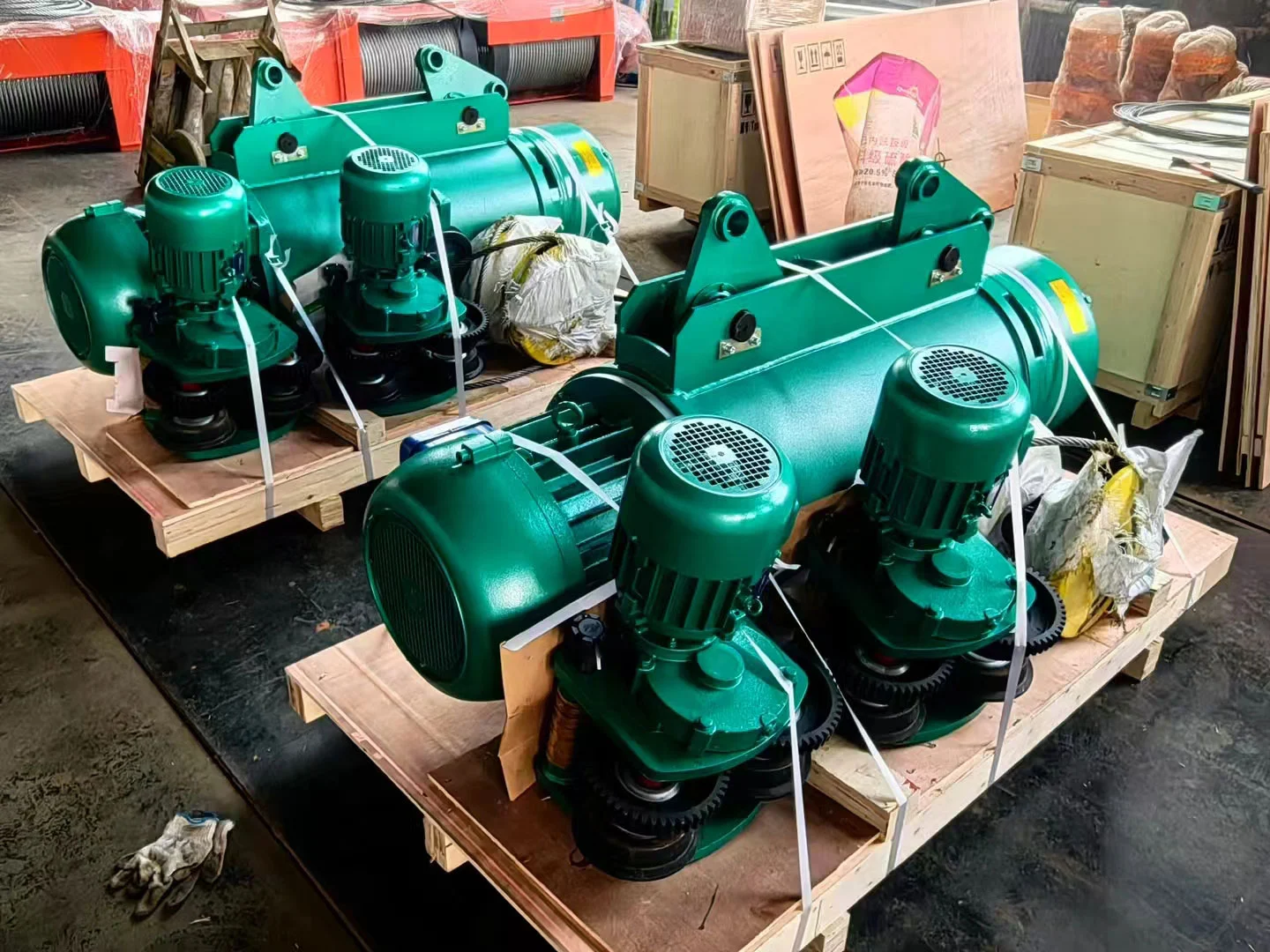
Kren Angkat
The crane hoist is the primary lifting unit responsible for raising and lowering loads. It typically includes a motor, gearbox, drum, brake system, and wire rope assembly.
Hoists can be designed as:
- Electric wire rope hoists
- Chain hoists
Wire rope hoists are commonly used in heavy-duty overhead cranes.
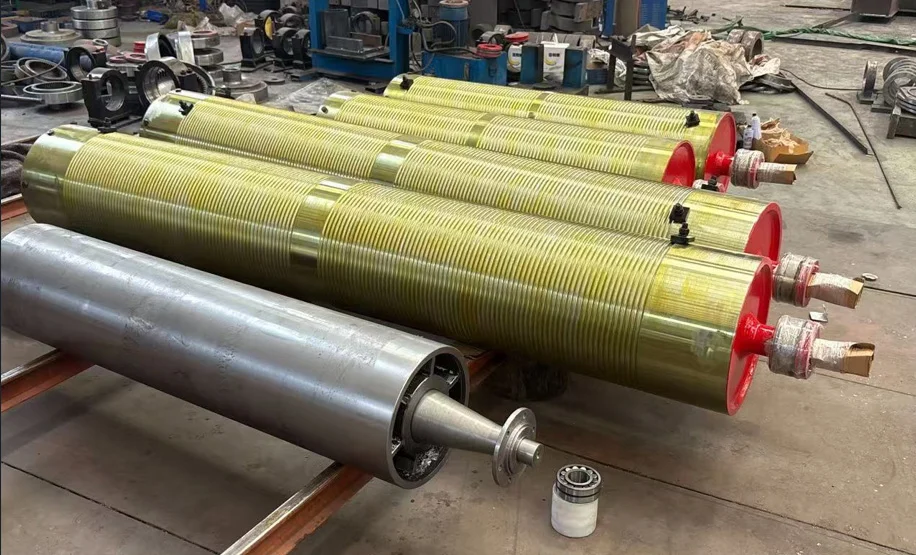
Gendang Krannya
The crane drum winds and unwinds the wire rope during lifting operations. As the drum rotates, it converts rotational motor power into vertical lifting movement.
Precision-machined grooves guide the wire rope evenly across the drum surface. This reduces rope wear and ensures stable lifting.
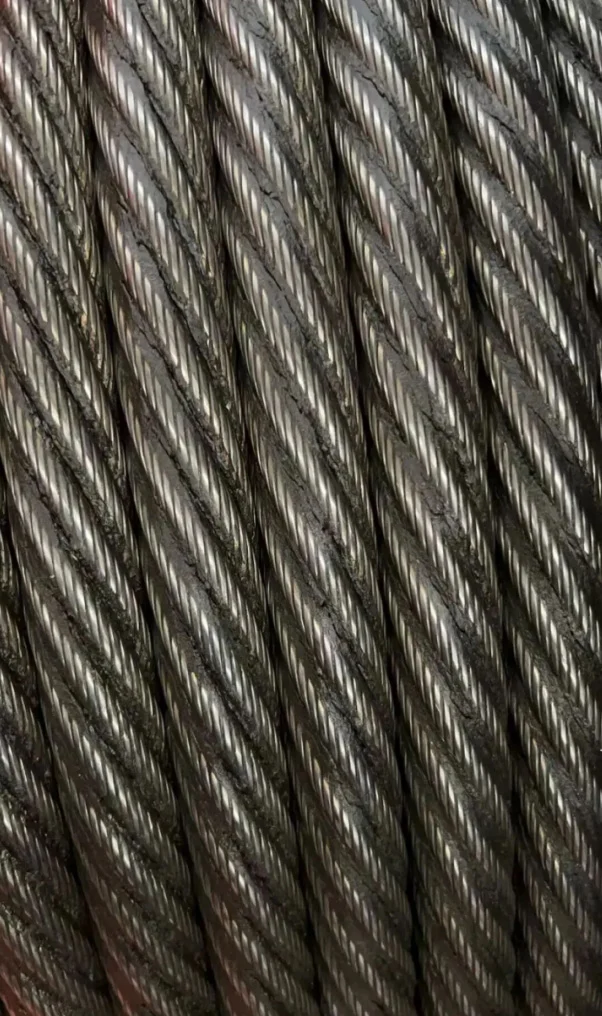
Crane Wire Rope
The crane wire rope carries the load during lifting operations. It must provide high tensile strength, flexibility, and fatigue resistance.
High-quality wire ropes improve lifting reliability and extend service life, especially in heavy-duty crane applications.
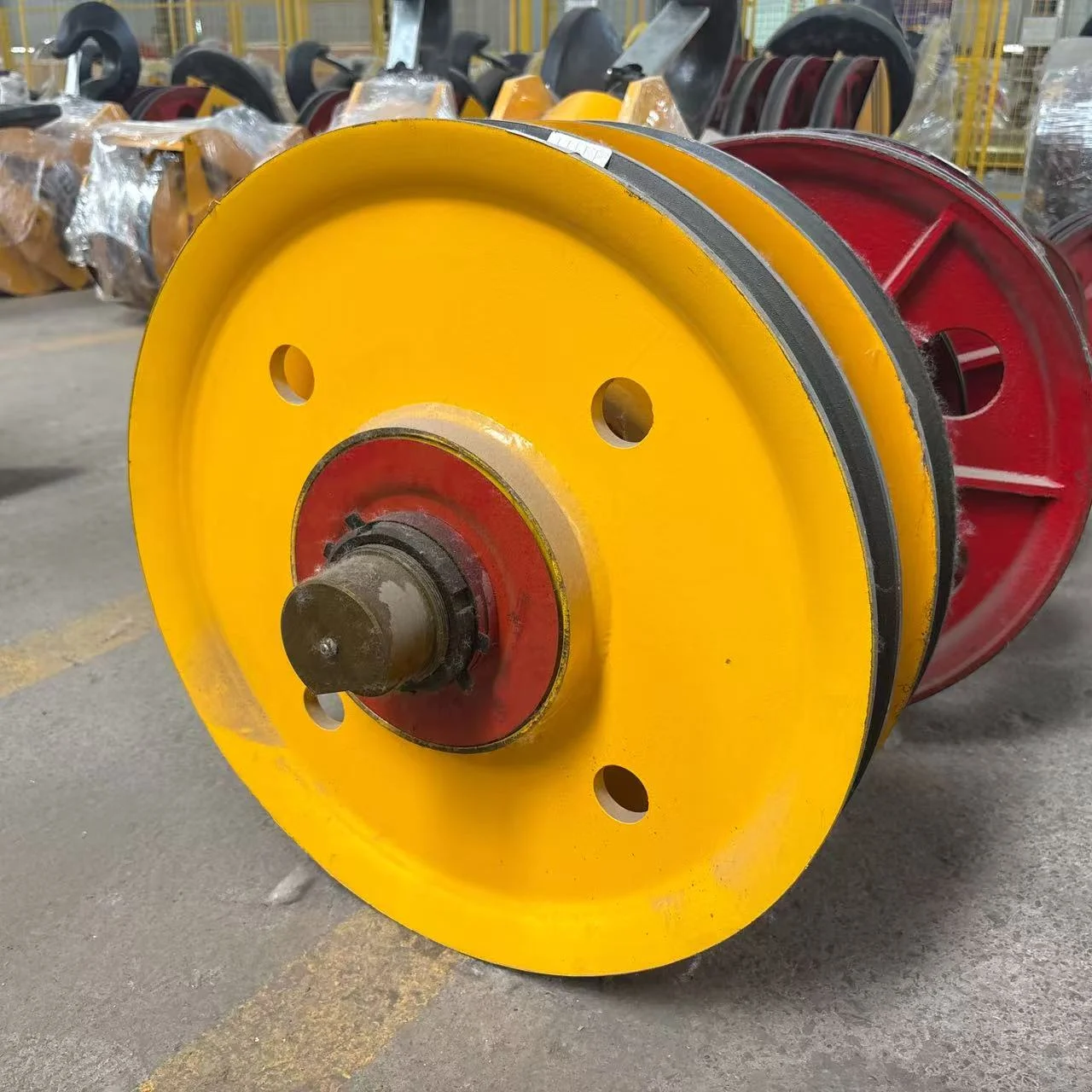
Pulley crane
Crane sheaves are pulley wheels that guide the wire rope and change its direction. They also help distribute the load and reduce friction during lifting.
Multiple sheaves can create a mechanical advantage that increases lifting capacity.
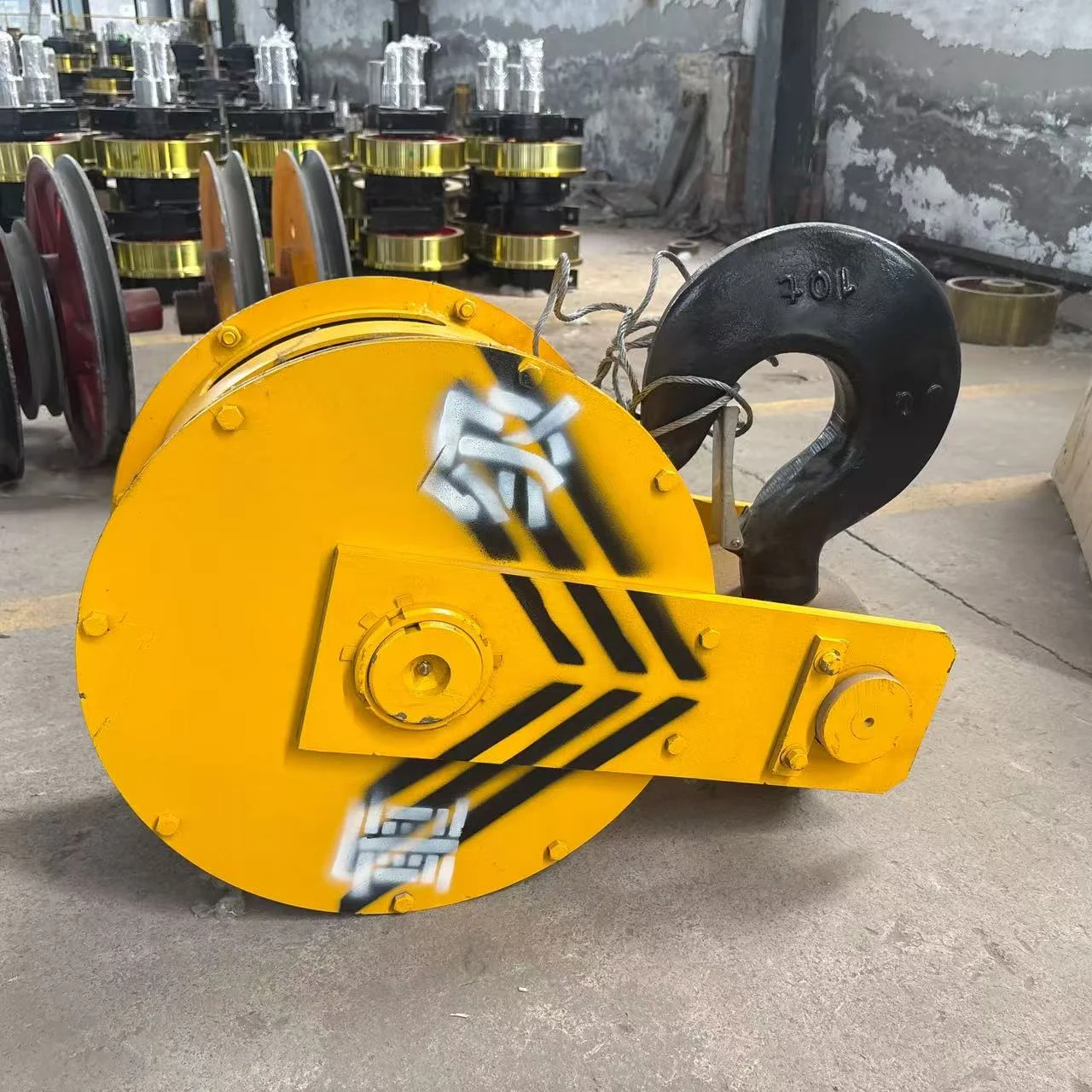
Kait kren
The crane hook connects the hoisting system to the load. Hooks are typically forged from high-strength steel and include safety latches to prevent accidental load release.
Common hook types include:
- Single hooks
- Double hooks
- Ramshorn hooks
Each type is designed for specific lifting conditions.
Motion and Drive Components
Crane movement depends on several power transmission components that drive the hoist, trolley, and bridge travel.
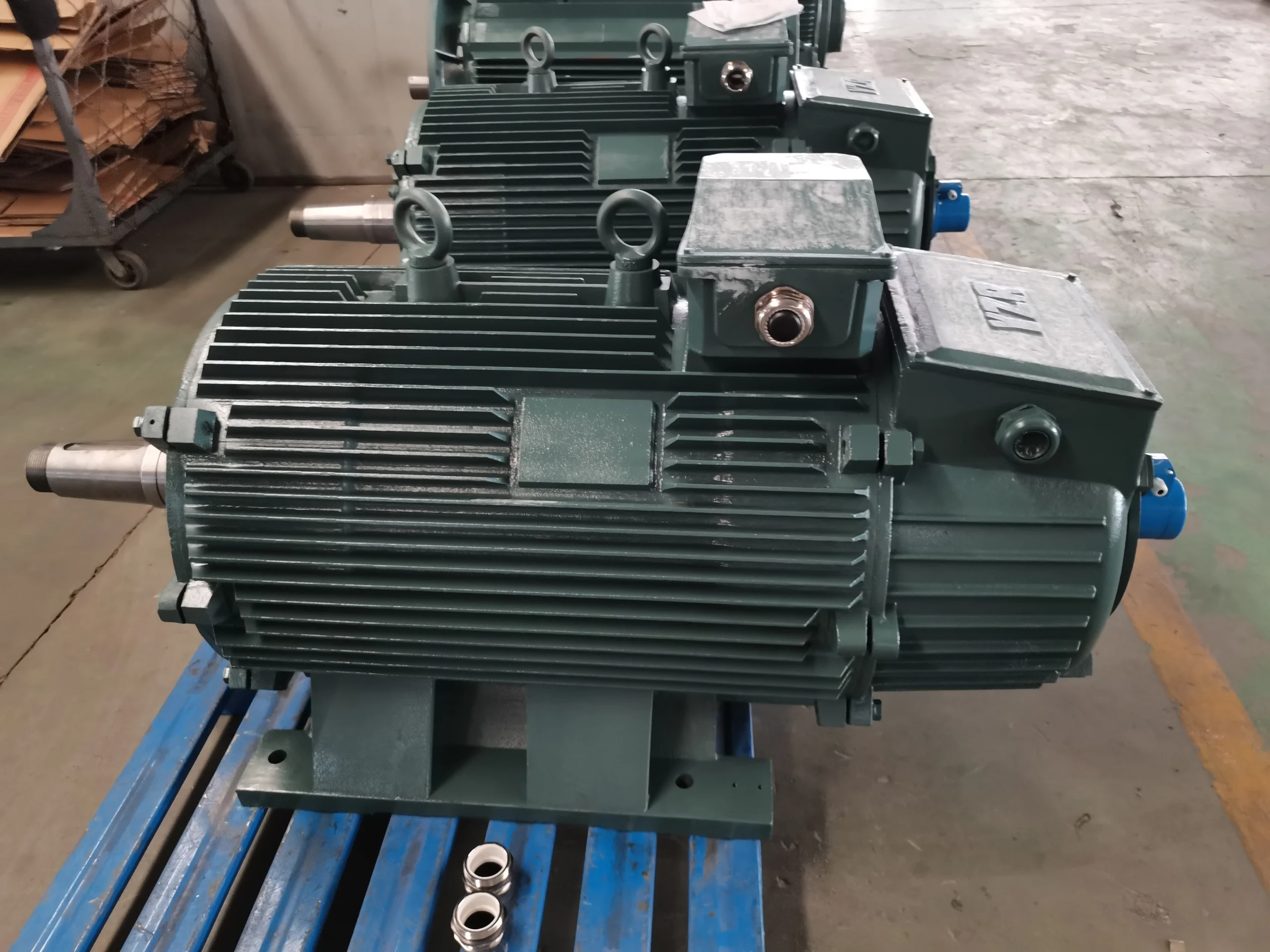
Crane Motor
The crane motor provides power for hoisting, trolley movement, and bridge travel.
Modern cranes often use variable frequency motors to achieve smooth acceleration, precise positioning, and energy-efficient operation.
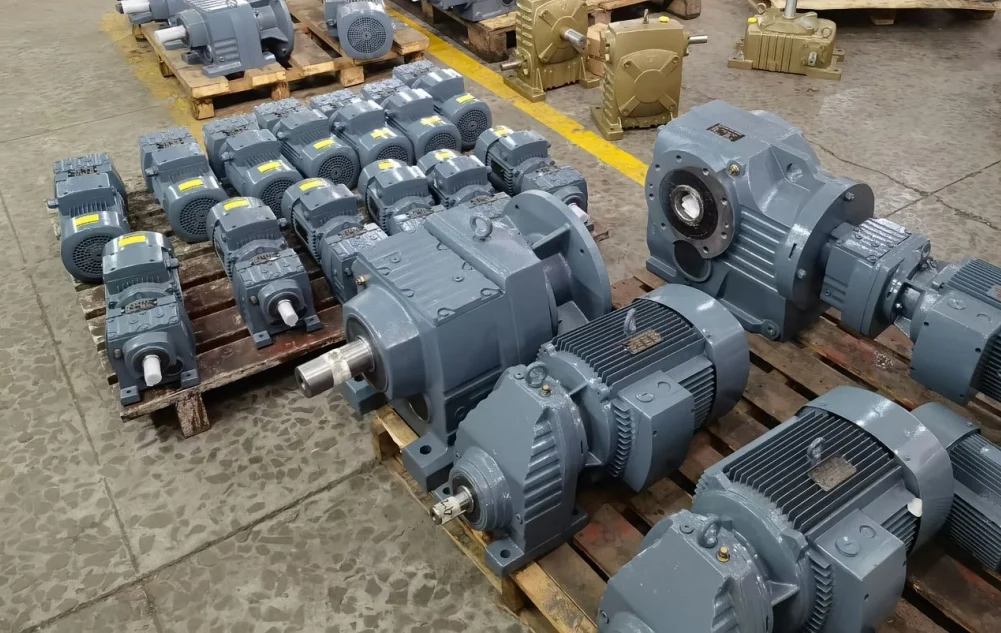
Gearbox Kren
The crane gearbox reduces motor speed and increases torque. This allows the crane to lift heavy loads safely while maintaining controlled motion.
Reliable gearboxes are essential for stable lifting performance.
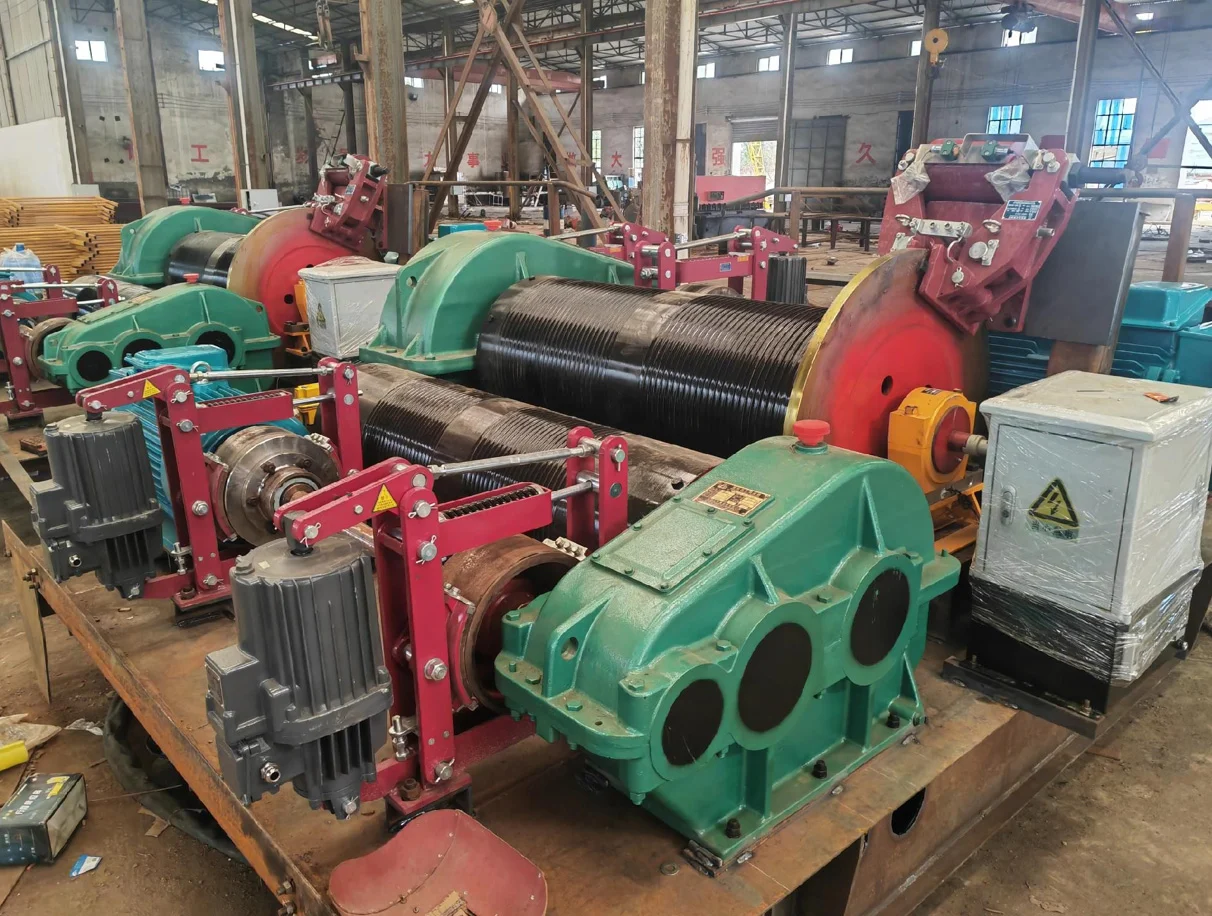
Sistem Brek Crane
The brake system ensures safe stopping and load holding during lifting operations.
Brakes prevent unintended movement and secure the load when the crane stops or during emergency conditions.
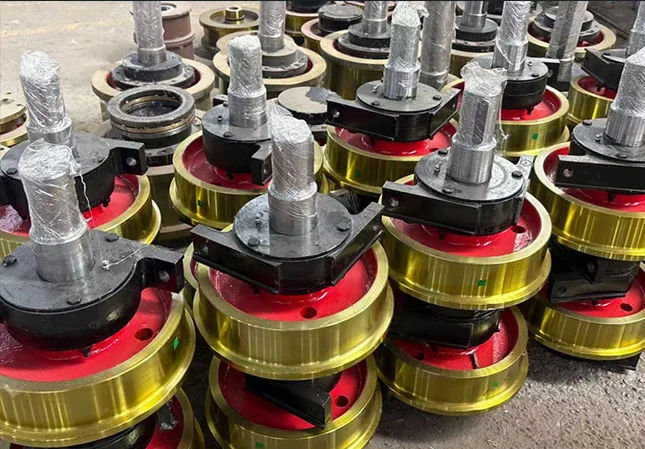
Perkakasan roda kren
The crane wheel assembly allows the crane bridge and trolley to move along rails.
A typical wheel assembly includes:
- Crane wheel
- Bearing housing
- Axle
- Lubrication system
High-quality wheel assemblies reduce vibration, improve travel stability, and extend service life.
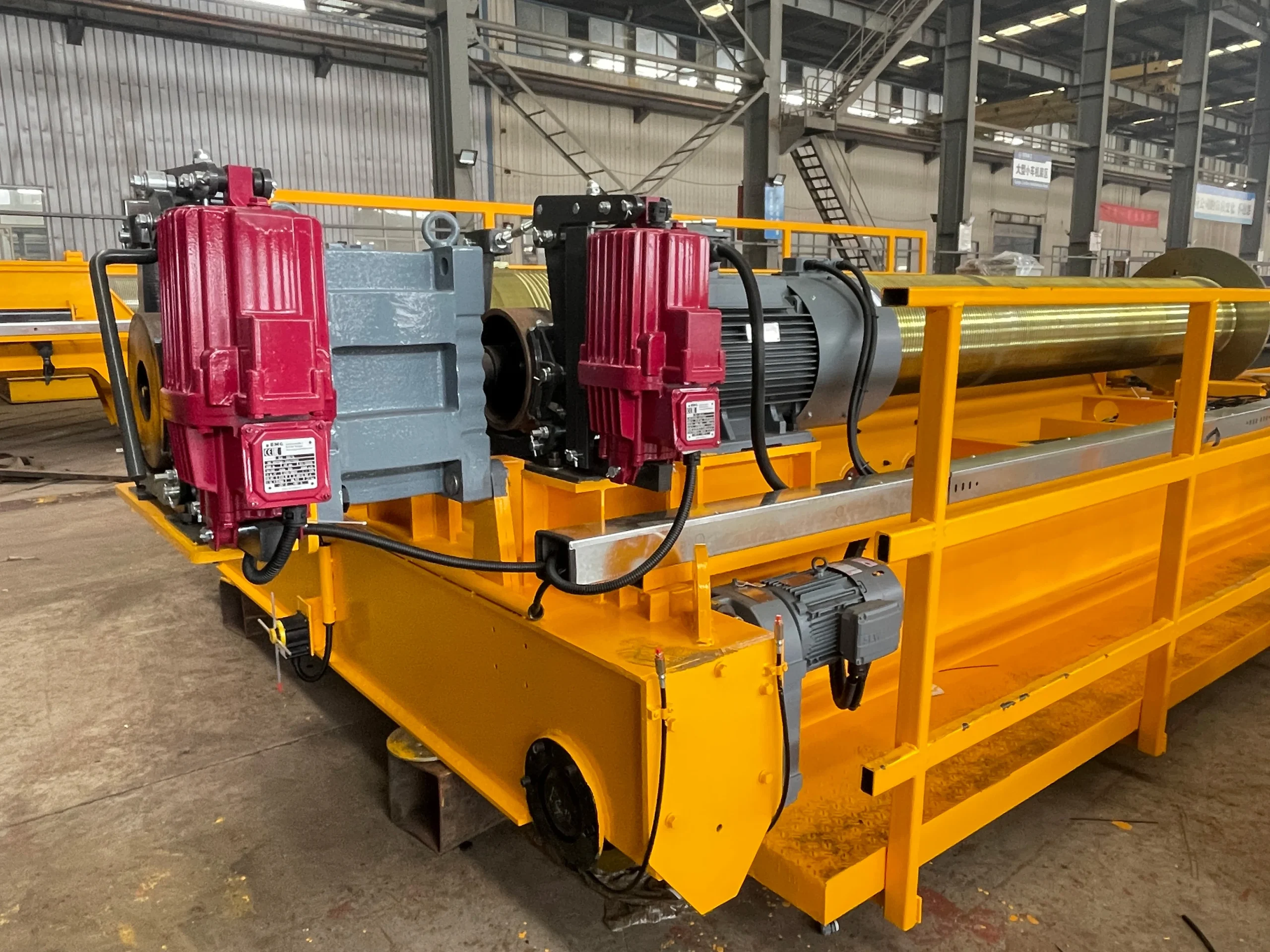
Crane Electrical and Control System
Modern cranes rely on electrical control systems to manage motion, safety functions, and automation.
Key components include:
- Control panels
- Frequency inverters
- Sensors
- Limit switches
These systems ensure accurate positioning, overload protection, and safe operation.
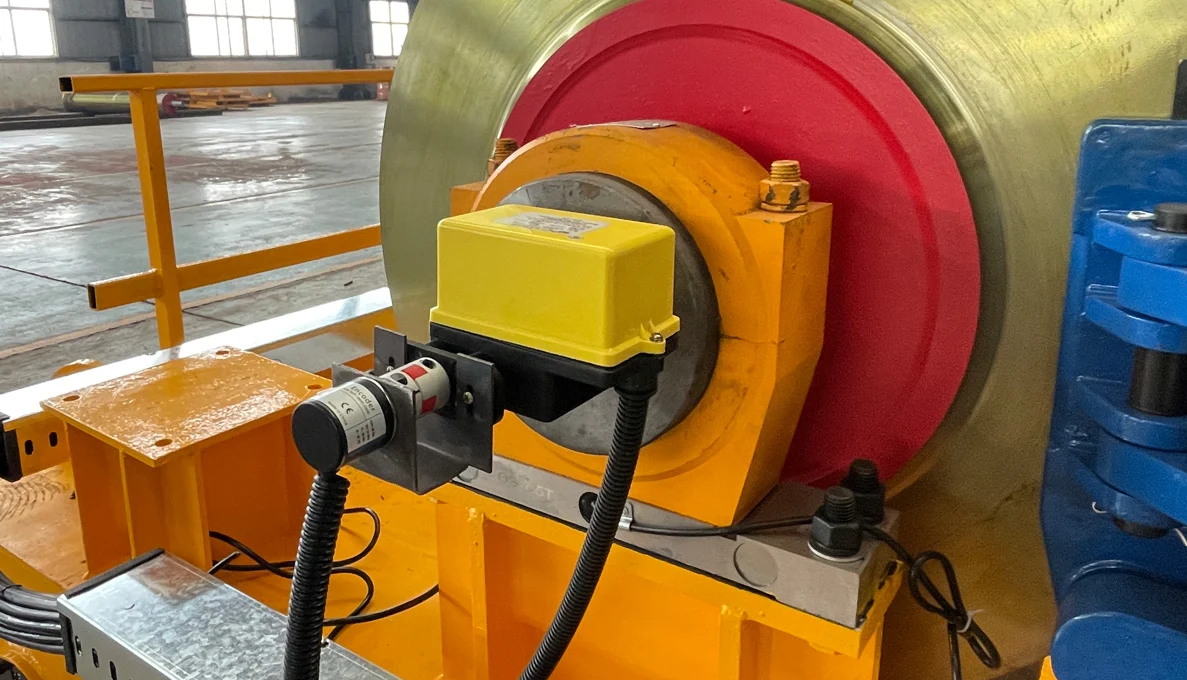
Crane Safety Components
Safety devices are essential parts of every crane system. They protect both operators and equipment during lifting operations.
Important crane safety components include:
- Overload limiters
- Limit switches
- Emergency stop systems
- Wind protection devices
- Anti-collision systems
Together, these components prevent accidents and ensure compliance with safety regulations.
Why Understanding the Crane Parts List Matters
Knowing the overhead crane parts list helps engineers and operators manage equipment more effectively.
Key benefits include:
- Faster troubleshooting
- Better maintenance planning
- Improved lifting safety
- Longer equipment lifespan
In addition, purchasing high-quality crane components can significantly reduce downtime and maintenance costs.
Kesimpulan
An overhead crane consists of multiple components working together as an integrated lifting system. Structural parts, hoisting components, drive systems, and safety devices all contribute to safe and efficient operation.
Understanding the complete crane parts list helps operators maintain equipment reliability and optimize crane performance.
For businesses sourcing crane components, choosing reliable manufacturers ensures consistent quality, precision engineering, and long-term operational safety.
Related Crane Component Guides
- Apa Itu Drum Crane dan Cara Kerjanya
- Wire Rope in Crane Systems
- Sepan Julang Apa
- Jenis-jenis Cangkuk Kren
- Panduan Pemasangan Roda Kren
Looking for Reliable Overhead Crane Parts?
Choosing high-quality crane components is essential for safe and efficient lifting operations. Reliable parts not only improve crane performance but also reduce maintenance costs and downtime.
At Hanko, we supply a complete range of crane components, including:
With extensive industry experience and strict quality control, we provide durable crane parts for industrial lifting systems worldwide.
👉 Contact our team today for professional crane component solutions.
Soalan Lazim
Bahagian utama kren atas ialah:
The main parts include the bridge, end carriages, hoist, wire rope, drum, sheaves, hook, motors, gearbox, wheel assemblies, and safety devices.
Gelendong kren berfungsi sebagai batang berputar di mana kabel keluli atau rantai dibungkus. Ia adalah komponen penting dalam mana-mana kren, bertanggungjawab untuk mengangkat dan menurunkan beban berat.
A crane drum winds and unwinds the wire rope to raise or lower loads during lifting operations.
Why is the crane wire rope important?
The wire rope directly carries the load, so it must provide high tensile strength, flexibility, and durability.
What safety devices are used in cranes?
Common crane safety components include overload limiters, limit switches, emergency stop systems, and anti-collision devices.
How often should crane components be inspected?
Crane components should be inspected regularly according to maintenance schedules and operational safety standards.

 English
  Korean
  Russian
  Spanish
  Malay
Malay  Afrikaans
  Bulgarian
  French
  Bengali
  Italian
  Hungarian
  Vietnamese
  Thai
Thai  Indonesian
  German
  Arabic
  Japanese