
Selecting the correct crane drum is critical for lifting safety, wire rope life, and long-term operating cost. Whether you are designing an overhead crane, gantry crane, or hoist system, the drum directly affects fatigue performance and structural reliability.
At Hanko Heavy Industry, we manufacture and export crane hoist drums for heavy-duty industrial applications worldwide. Based on real project experience, this guide explains how to choose the right wire rope drum step by step.
Why Gendang Krannya Selection Directly Affects Safety
A crane drum is not simply a rope storage component. It is a load-bearing mechanical part subjected to repeated bending stress from the wire rope.
If the drum diameter, groove design, or material strength is insufficient, wire rope fatigue increases dramatically, leading to premature failure.
Therefore, proper crane drum selection improves:
-
Wire rope lifespan
-
Operational safety
-
Maintenance interval
-
Total lifecycle cost
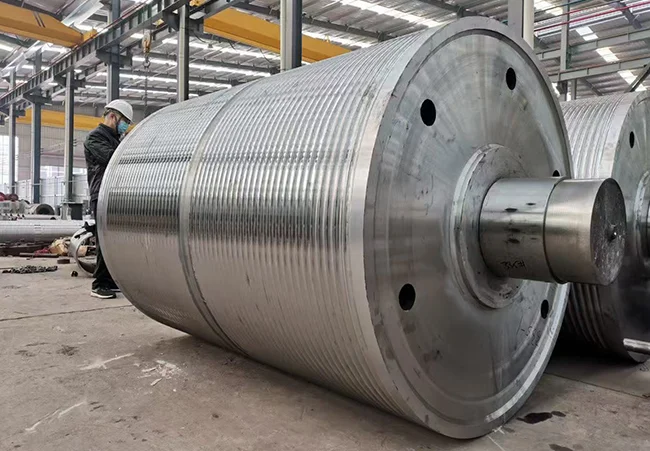
Step 1: Determine Load Capacity and Lifting Height
Start with two fundamental parameters:
-
Rated lifting load
-
Required lifting height
The rated load determines torque and shell strength.
The lifting height determines rope length and winding layers.
For long lifting heights, multi-layer winding becomes necessary, requiring more precise groove machining and structural reinforcement.
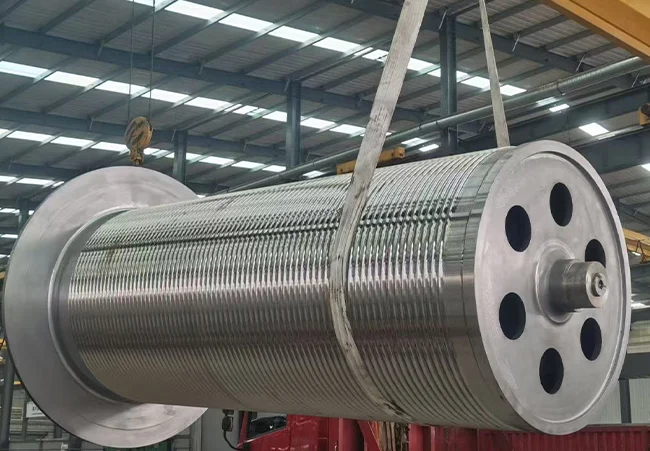
Step 2: Understand the D/d Ratio (Drum Diameter to Rope Diameter)
The D/d ratio is the ratio between drum diameter (D) and wire rope diameter (d). It is one of the most important factors in crane drum design.
Recommended values:
-
Light duty: D/d ≥ 18
-
Medium duty: D/d ≥ 20–22
-
Heavy duty: D/d ≥ 24–26
When the D/d ratio is too small, bending stress increases exponentially. Even a moderate increase in drum diameter can significantly extend wire rope service life.
For high-cycle lifting systems, always prioritize a larger D/d ratio.
Step 3: Single-Layer vs Multi-Layer Wire Rope Drum
Single-Layer Crane Drum
-
Lower rope wear
-
Easier inspection
-
Simpler structure
Multi-Layer Wire Rope Drum
-
Suitable for long lifting height
-
Requires precision groove machining
-
Often integrates Lebus groove system
Improper multi-layer groove design can cause rope jumping or cross-winding. Precision matters at the millimeter level.
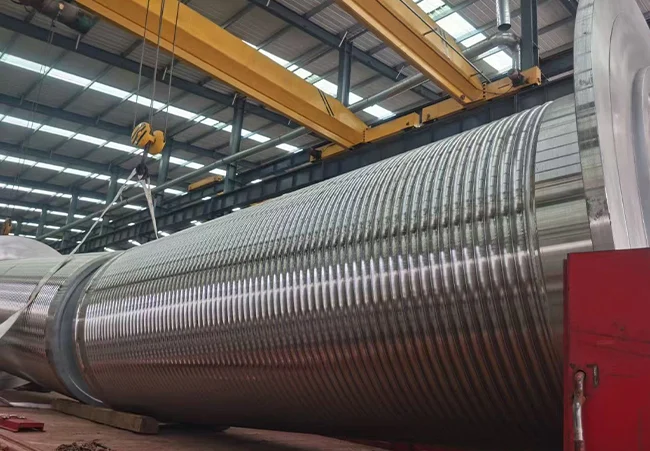
Step 4: Match the Crane Drum to Duty Class (A3, A5, A7)
Duty classification determines fatigue intensity.
-
A3 duty: Light, intermittent lifting
-
A5 duty: Moderate frequency, industrial use
-
A7 duty: Heavy-duty, continuous operation
For A7 applications such as metallurgy or port cranes, forged materials and structural FEA validation are strongly recommended.
Step 5: Crane Drum Materials and Structural Strength
Material selection directly influences durability.
Common materials include:
-
Q355B welded steel drum
-
42CrMo forged crane drum
-
Seamless steel tube structure
Heat treatment such as quenching and tempering enhances fatigue strength. Surface hardening improves groove wear resistance.
At Hanko Heavy Industry, crane drums undergo strict material inspection, CNC machining, and dynamic balancing to ensure performance under high loads.
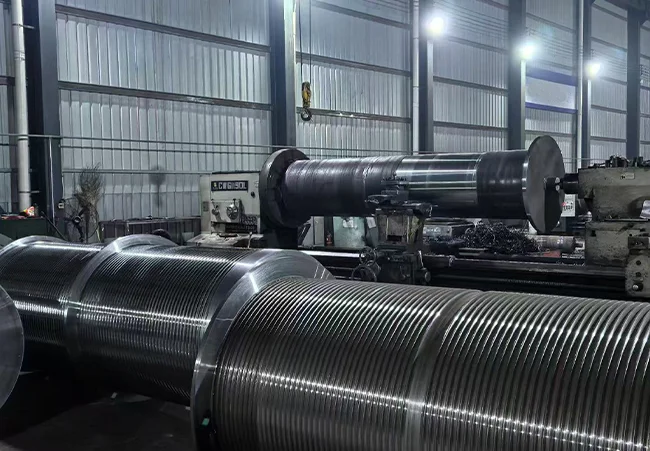
Step 6: Common Crane Drum Selection Mistakes
Avoid these typical errors:
-
Ignoring D/d ratio limitations
-
Choosing drum diameter based only on space
-
Using light-duty drum design in heavy-cycle operation
-
Overlooking groove precision
These mistakes may not fail immediately, but they shorten service life dramatically.
Crane Drum Selection Checklist
Before finalizing your crane hoist drum specification, confirm:
-
Rated lifting capacity
-
Lifting height
-
Wire rope diameter
-
Required D/d ratio
-
Winding method
-
Duty class
-
Structural verification
A systematic approach prevents expensive downtime later.
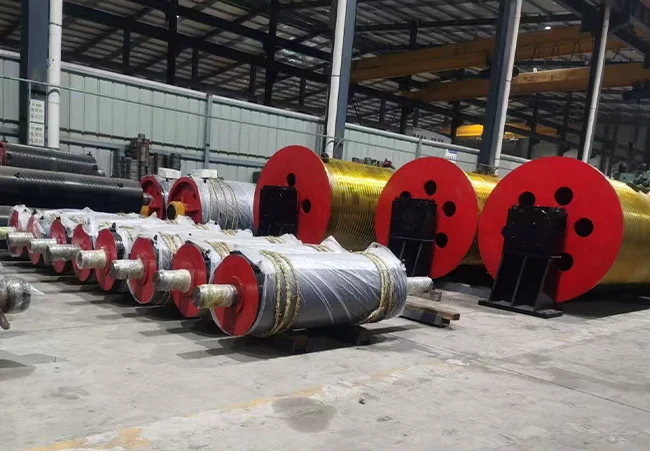
Soalan Lazim: Gendang Krannya Selection
What is the best D/d ratio for a crane drum?
For heavy-duty cranes, a D/d ratio above 24 is recommended to maximize rope life.
How do I choose between single-layer and multi-layer winding?
Single-layer is ideal for shorter lifting heights. Multi-layer drums are necessary when rope length exceeds drum width capacity.
Does duty class affect crane drum design?
Yes. Higher duty classes require stronger materials, thicker shells, and better fatigue resistance.
What material is best for heavy-duty crane drums?
Forged 42CrMo steel provides excellent fatigue strength for high-cycle or heavy-load lifting applications.
Mengenai Hanko Heavy Industry
Hanko Heavy Industry is a professional manufacturer of crane components, supplying roda kren, drum kren, hooks, and other lifting parts worldwide. We provide both standard and custom wire rope drum solutions for overhead cranes, gantry cranes, port cranes, and metallurgical lifting systems.
If you require a customized crane drum based on drawings or working conditions, our engineering team can assist with structural optimization and material selection.

 English
  Korean
  Russian
  Spanish
  Malay
Malay  Afrikaans
  Bulgarian
  French
  Bengali
  Italian
  Hungarian
  Vietnamese
  Thai
Thai  Indonesian
  German
  Arabic
  Japanese