
Overhead cranes play a vital role in factories, warehouses, and heavy industrial facilities. Because they operate above ground level, they maximize workspace efficiency while enabling safe and precise material handling.
However, to ensure safe and reliable operation, operators and maintenance teams must clearly understand the main components of an overhead crane. Each crane component performs a specific function, and together they form an integrated lifting system.
In this guide, we explain the major overhead crane components, including structural systems, mechanical parts, electrical equipment, and safety devices.
1. Metal Structure – The Foundation of the Overhead Crane
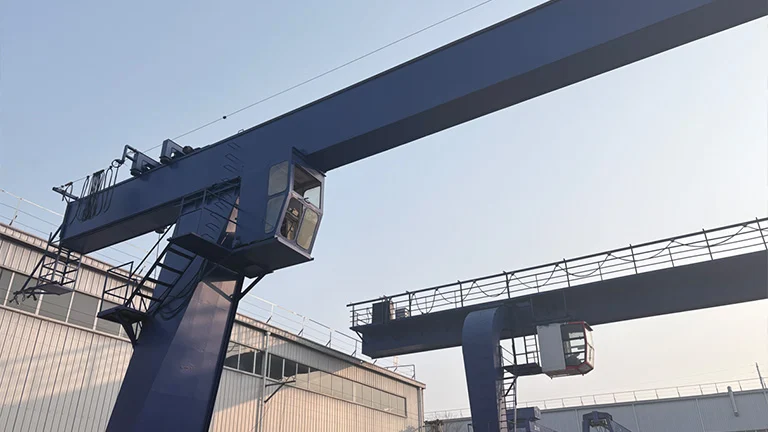
First, the metal structure forms the backbone of the overhead crane. It supports all mechanical and electrical systems while carrying the full lifting load.
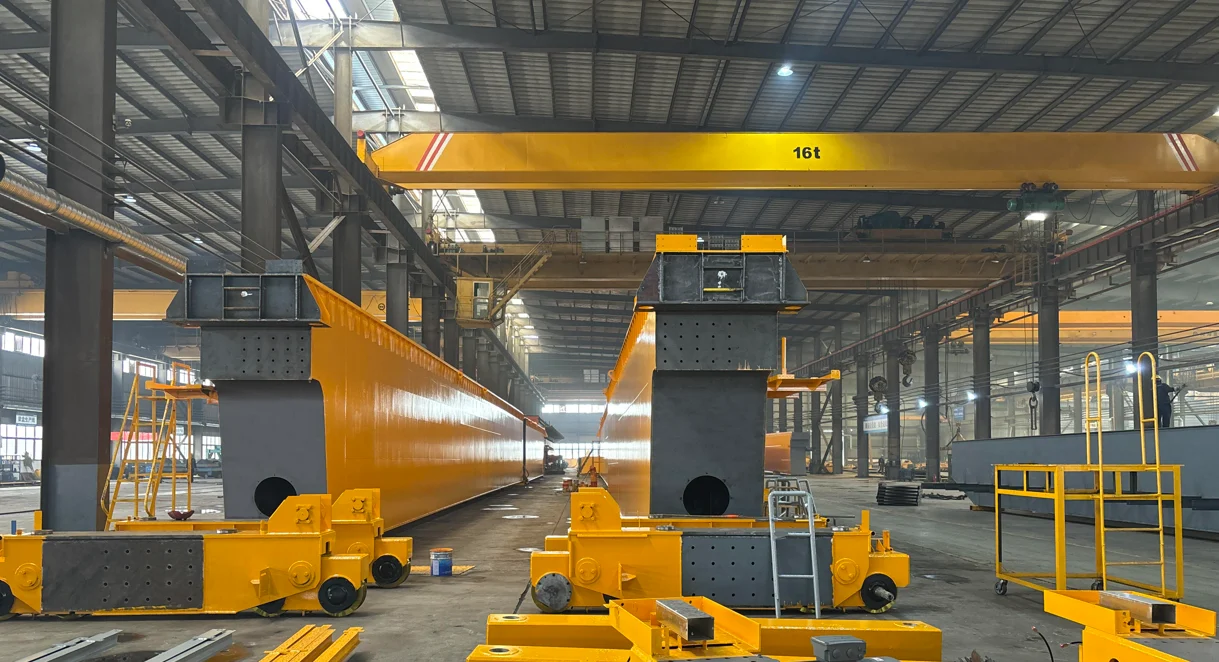
Crane Bridge (Main Girder)
The crane bridge spans across the workshop and moves longitudinally along elevated runway beams. It supports the trolley and hoisting mechanism.
Manufacturers typically design:
- Single-girder overhead cranes for light and medium-duty applications
- Double-girder overhead cranes for heavy loads and larger spans
The girder must maintain sufficient rigidity to prevent excessive deflection. Otherwise, structural deformation may lead to unstable trolley movement and mechanical stress concentration.
End Carriages
Next, end carriages connect to both ends of the bridge girder. They allow the crane to travel along runway rails.
Each end carriage includes:
- Crane wheels
- Bearings
- Drive motors
These components ensure smooth and controlled long-travel motion.
2. Mechanical Transmission System
After establishing the structural framework, the mechanical system enables load movement in three directions: lifting, cross travel, and long travel.
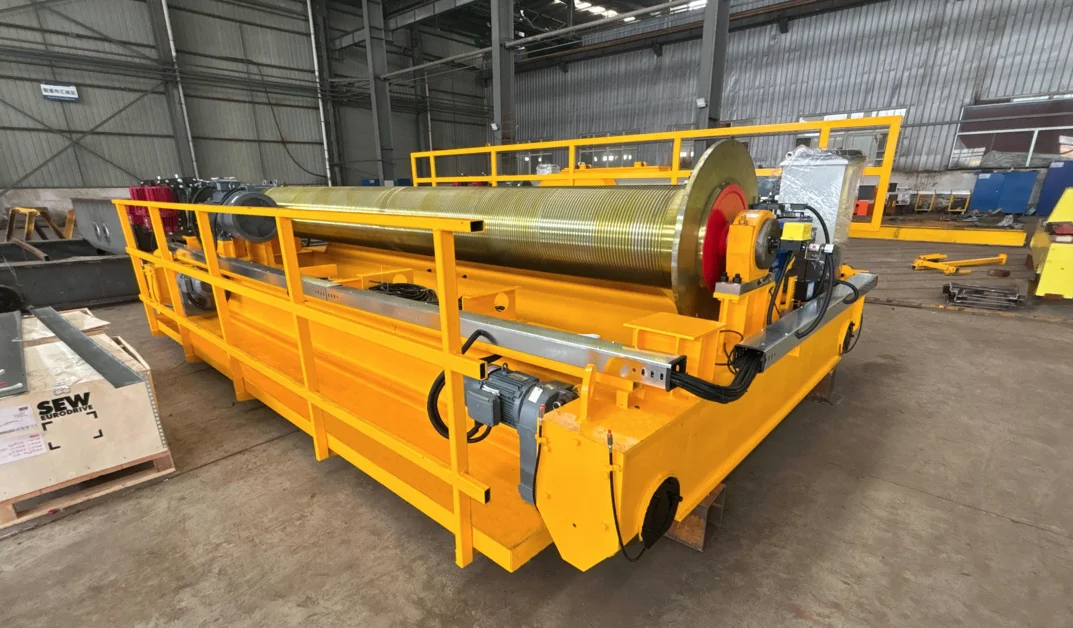
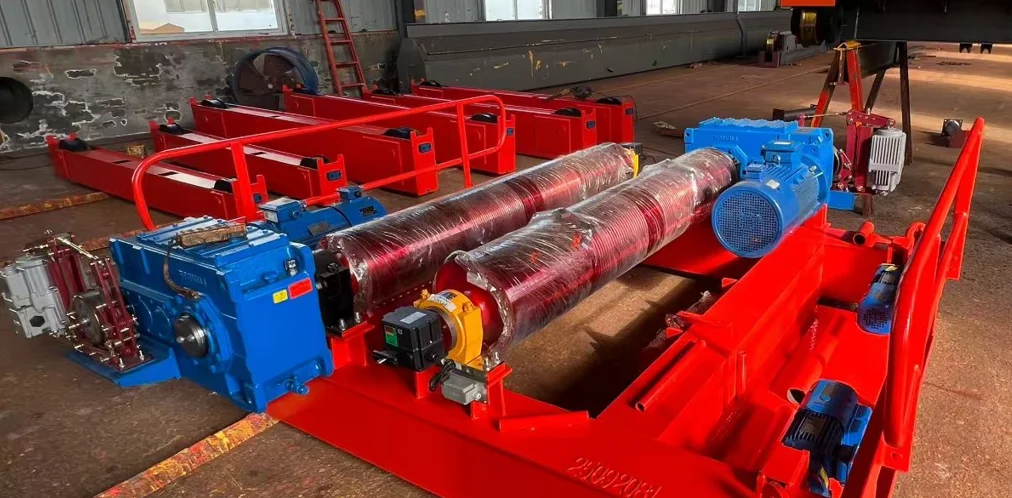
Hoisting Mechanism
The hoisting mechanism performs vertical lifting operations. It consists of:
- Crane motor
- Crane drum
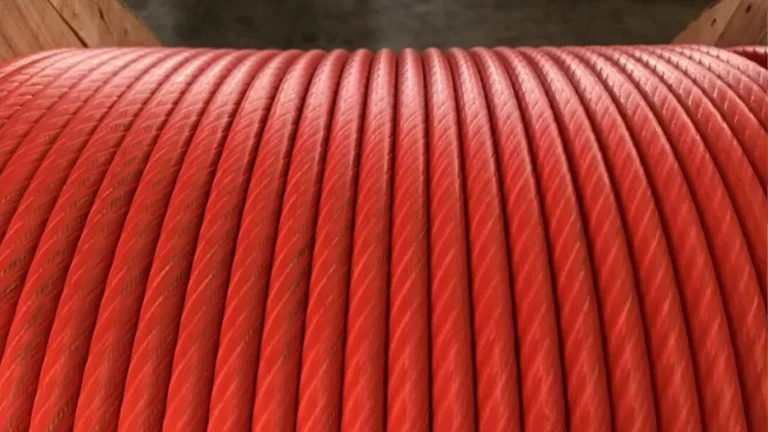
- Wire rope
- Hook assembly
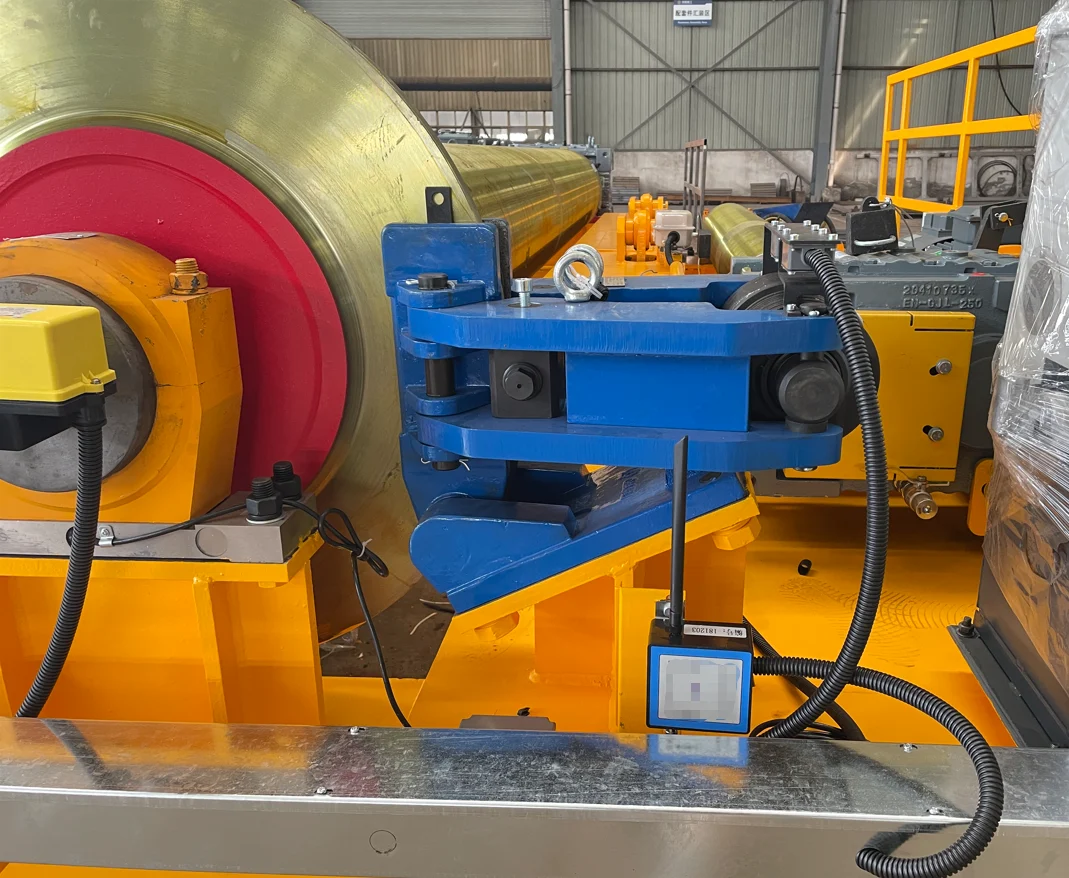
- Brake system
The motor drives the drum, which winds or unwinds the wire rope. As a result, the hook moves up or down.
Proper drum grooving ensures even rope distribution and reduces wear. Meanwhile, the brake system prevents unintended load descent and ensures safe stopping.
Trolley System
The trolley travels horizontally along the girder. It carries the hoisting mechanism and allows precise load positioning across the span.
If the trolley rail becomes misaligned or worn, it may cause uneven wheel pressure and unstable operation. Therefore, regular inspection is essential.
Long Travel Mechanism
The long travel mechanism moves the entire crane bridge along the runway.
This system typically includes:
- Drive motors
- Gearboxes
- Wheel assemblies
Accurate alignment and synchronized motor control ensure smooth crane movement.
3. Electrical Control System
In addition to mechanical systems, the electrical control system coordinates crane operations.
Modern overhead cranes integrate:
- Overload protection devices
- Limit switches
- Emergency stop systems
- Control panels
- Power supply collectors
For example, the overload limiter automatically cuts off lifting power if the load exceeds rated capacity. Similarly, upper limit switches prevent the hook from over-traveling.
These electrical protections significantly improve crane safety.
4. Safety Protection Devices
Because overhead cranes handle heavy loads, safety devices play a critical role in preventing accidents.
According to operational safety practices, cranes should include:
- Overload limiters
- Upper and lower travel limit switches
- Rail sweepers
- End stops and buffers
- Hook safety latches
- Emergency stop switches
Moreover, some cranes require dual height limit protection to comply with regulatory requirements.
Without these safety devices, lifting operations may expose workers and equipment to serious risk.
5. Critical Inspection Areas of Overhead Crane Components
Understanding the structure is important; however, regular inspection ensures long-term reliability.
Maintenance teams should pay special attention to:
- Wire rope wear and broken strands
- Hook throat opening and cracks
- Brake lining wear
- Drum fatigue cracks
- Gearbox noise or overheating
- Wheel flange wear
If any overhead crane component shows excessive wear, operators should replace it immediately to prevent system failure.
Why Understanding Overhead Crane Components Matters
Each overhead crane component performs a defined function. Nevertheless, the crane operates as an integrated mechanical and electrical system.
If one component fails:
- Lifting accuracy decreases
- Mechanical stress increases
- Safety risks escalate
Therefore, companies must implement routine inspections, preventive maintenance programs, and timely component replacement.
Moreover, selecting high-quality crane components improves operational stability and reduces unexpected downtime.
Recommended Overhead Crane Components for Replacement or Upgrade
Industrial users frequently replace or upgrade the following crane parts:
Working with an experienced crane components manufacturer ensures consistent quality, precise machining, and long service life.
결론
The main components of an overhead crane include the metal structure, hoisting mechanism, trolley system, long travel system, electrical controls, and safety devices.
By clearly understanding these overhead crane components, operators and maintenance teams can improve safety, optimize maintenance schedules, and extend equipment lifespan.
For industrial applications, investing in durable and precision-engineered crane components significantly enhances operational reliability and long-term performance.
FAQ – Main Components of an Overhead Crane
1. What are the main components of an overhead crane?
The main components of an overhead crane include the bridge girder, end carriages, hoisting mechanism, trolley system, long travel system, electrical control system, and safety protection devices. Together, these overhead crane components enable safe and precise lifting operations.
2. What is the most critical component in an overhead crane?
Although all components are important, the hoisting mechanism is the most critical. It includes the motor, drum, wire rope, hook, and brake system. This system directly handles the lifting load and determines operational safety.
3. How does the electrical control system improve crane safety?
The electrical control system integrates overload protection, limit switches, emergency stop devices, and motor controls. As a result, it prevents overloading, over-travel, and unintended movement during operation.
4. Which overhead crane components require frequent inspection?
Operators should regularly inspect wire ropes, hooks, brake systems, crane wheels, and gearboxes. These components experience continuous mechanical stress and are more prone to wear.
5. Why is understanding overhead crane components important for maintenance?
When maintenance teams understand how each crane component functions, they can identify wear patterns early, reduce downtime, and extend equipment lifespan. Moreover, proper component selection improves long-term reliability.
 English
  Korean
  Russian
  Spanish
  Malay
Malay