소개
크레인 갈고리는 모든 리프팅 시스템에서 가장 중요한 하중 지지 부품 중 하나입니다. 이전 가이드들이 종류와 파손 현상에 초점을 맞추었다면, 이 글은 엔지니어링, 작동 및 유지보수 관점에서 근본 원인을 분석하여 크레인 갈고리가 파손되는 이유를 더 깊이 파고듭니다.
이러한 원인을 이해하는 것은 안전뿐만 아니라 가동 중단 시간을 줄이고, 값비싼 손상을 방지하며, 장비 수명을 연장하는 데에도 필수적입니다.
크레인 갈고리의 고장 원인은 무엇인가요?
크레인 걸고리가 주로 과하중, 재료 결함, 마모 및 피로, 부적절한 결속, 조작 오류, 검사 부족으로 인해 변형, 균열, 갑작스러운 파손이 발생합니다.
크레인 갈고리 파손의 6가지 근본 원인
1. 정격 용량을 초과하는 과부하
이것이 발생하는 이유:
- 안전 작업 하중 (SWL) 초과
- 적재 중량 과다 계산
- 리프팅 중 동적 충격
실패 메커니즘:
- 소성 변형
- 내부 응력 집중
- 갑작스러운 골절
해결책:
- 부하 모니터링 시스템을 설치하세요
- 엄격한 하중 제한을 시행하십시오
- 충격 하중을 피하십시오
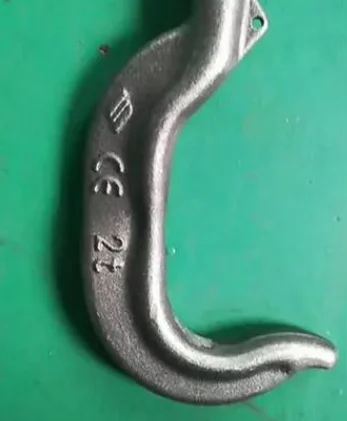
2. 자재 결함 및 제조 불량
이것이 발생하는 이유:
- 불량 원료
- 부적절한 열처리
- 내부 포함물 또는 공극
실패 메커니즘:
- 인장 강도 감소
- 부하 시 취성 파괴
해결책:
- 인증된 위조 갈고리 사용
- 재질 증명서(MTC)를 확인하십시오.
- 신뢰할 수 있는 공급업체 선택
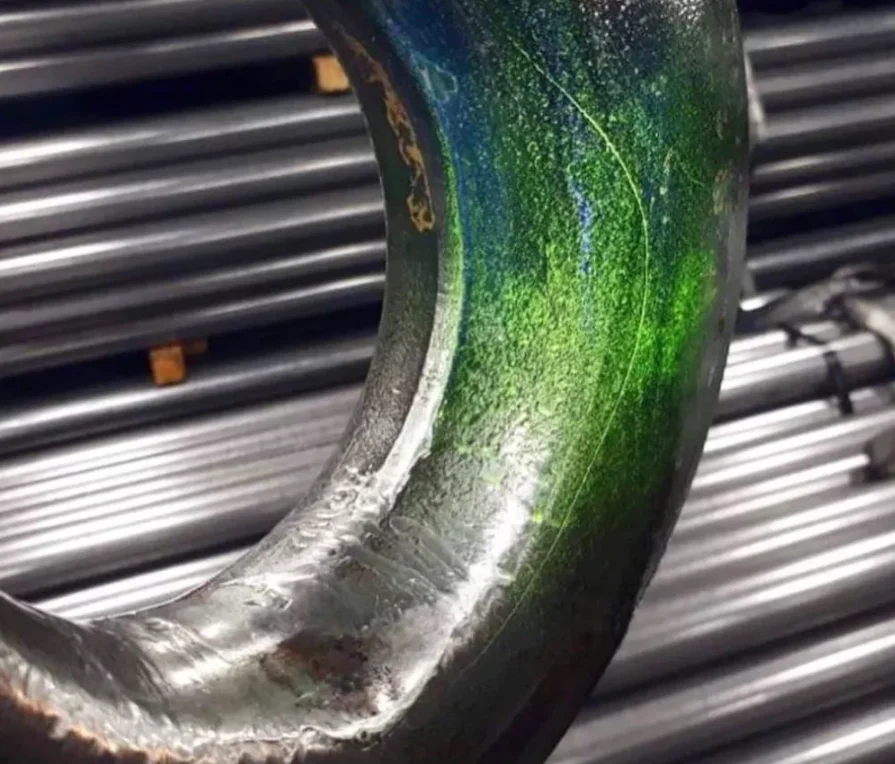
3. 마모, 피로 및 균열 전파
이것이 발생하는 이유:
- 장기 반복 하중
- 중요한 부분의 표면 마모
- 점검 부족
실패 메커니즘:
- 미세 균열 → 균열 성장 → 파손
주요 지표:
- 훅 오프닝 증가 >10%
해결책:
- 정기 비파괴 검사
- 낡은 갈고리는 일찍 교체하십시오
- 중요 스트레스 구역 모니터링
4. 부적절한 리깅으로 인한 적재 미끄러짐
이것이 발생하는 이유:
- 잘못된 슬링 각도 (>120°)
- 불균형 부하 센터
- 부적합한 리깅 장비
실패 메커니즘:
- 갑작스러운 적재 불균형
- 갈고리에 작용하는 충격력
해결책:
- 슬링 각도 ≤ 60° 유지
- 적절한 샤클과 슬링을 사용하십시오
- 부하 안정성 보장
5. 안전 장치 부족
이것이 발생하는 이유:
- 안전 걸쇠 누락 또는 파손
- 열악한 유지보수
실패 메커니즘:
- 슬링 분리
- 부하 감소
해결책:
- 스프링 로드 안전 래치 설치
- 잠금 장치를 정기적으로 점검하십시오
6. 운영 및 환경 요인
이것이 발생하는 이유:
- 급가속/급감속
- 강풍 (야외 크레인)
- 위험한 근로 환경
실패 메커니즘:
- 회전 하중
- 사이드 로딩 (매우 위험)
해결책:
- 인증된 사업자 양성
- 악천후 시 운행 중단
- 컨트롤을 위한 태그라인 사용
일반적인 고장 모드 대 근본 원인
|
고장 모드 |
근본 원인 | 위험 수준 |
액션 |
|
갈고리 골절 |
과부하 / 재료 결함 | 중요한 |
즉시 교체 |
|
갈고리 변형 |
피로 / 과부하 | 하이 |
서비스 중단 |
|
부하 감소 |
리깅 오류 / 래치 고장 | 중요한 |
리깅 개선 |
|
균열 형성 |
불량 / 부실 검사 | 하이 |
비파괴 검사 |
|
후크 오프닝 증가 |
장기 스트레스 | 중간 |
10개 초과 시 교체% |
절대 무시해서는 안 되는 주요 위험 신호
- 훅 표면에 보이는 균열
- 목구멍 열림 증가 (>10%)
- 주요 부위의 불균일한 마모
- 구부러지거나 꼬인 갈고리 모양
- 안전 걸쇠 누락 또는 파손
👉 이들 중 하나라도 나타나면, 즉시 훅 사용을 중단하십시오.
크레인 훅 파손 방지를 위한 엔지니어링 모범 사례
1. 검사 표준 준수
- 매일 육안 확인
- 정기 비파괴 검사
- ISO / GB 검사 기준을 따르십시오
2. 적용에 맞는 올바른 후크 타입 사용
- 단일 훅 대 이중 훅
- 단조 vs 라미네이트 훅
- 내구성 vs 일반용
3. 적절한 부하 처리 보장
- 균형 잡힌 리프팅
- 조절된 (충격 하중 없음)
- 올바른 리깅 지오메트리
4. 수리 대신 교체
- 균열이 간 갈고리는 절대 용접하거나 수리하지 마십시오
- 결함이 있는 고리는 항상 교체하십시오
관련 기사
관련 상품 (추천)
👉 일치하는 고품질 리프팅 부품을 사용하면 훅 파손 위험이 크게 줄어듭니다.
고품질의 안전 인증된 크레인 후크를 찾으시나요?
한코 크레인 부품은 다음을 제공합니다:
- 엄격한 품질 관리로 단조된 크레인 갈고리
- 대규모 애플리케이션을 위한 커스텀 훅 솔루션
- 빠른 배송과 경쟁력 있는 가격
📩 지금 문의하여 전문가의 지원과 견적을 받아보세요
🔗 https://www.hankocraneparts.com/contact-us/
자주 묻는 질문
크레인 갈고리가 갑자기 부러지는 이유는 무엇입니까?
크레인 갈고리는 일반적으로 과부하, 내부 재료 결함 또는 인지되지 않은 피로 균열로 인해 파손됩니다.
훅 변형은 얼마나 허용됩니까?
훅 개방이 10%이상 증가하면 즉시 교체해야 합니다.
손상된 크레인 갈고리를 수리할 수 있나요?
아닙니다. 크레인 갈고리 용접 또는 수리는 안전하지 않으며 교체가 필수입니다.
크레인 갈고리 파손의 가장 흔한 원인은 무엇입니까?
과부하와 점검 부족이 가장 일반적인 원인입니다.
크레인 갈고리는 얼마나 자주 검사해야 합니까?
후크는 매일 육안 검사를 받아야 하며 주기적으로 상세 검사를 받아야 합니다.

 English
  Korean
  Russian
  Spanish
  Malay
Malay  Afrikaans
  Bulgarian
  French
  Bengali
  Italian
  Hungarian
  Vietnamese
  Thai
Thai  Indonesian
  German
  Arabic
  Japanese