
Lifting Gear Inspection and Discard Criteria
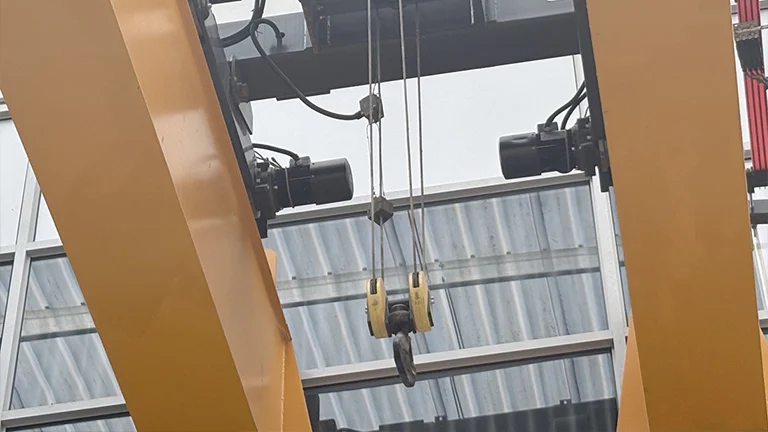
Lifting Gear Inspection and Discard Criteria: Complete Safety Guide for Crane Hooks, Shackles, Chains and Wire Ropes Lifting operations are critical processes across industries such as construction, heavy manufacturing, offshore engineering, and port logistics. As the direct load-bearing interface between lifting equipment and loads, lifting gear plays a decisive role in operational safety. From crane hooks and shackles to welded chains, synthetic webbing slings, and steel wire ropes, improper selection, inadequate inspection, or delayed discard may lead to structural failure and serious accidents. International standards such as ISO lifting regulations and ASME rigging standards, together with Chinese GB standards, clearly define inspection and discard requirements. This guide provides a […]
How to Select the Right Crane Drum for Maximum Service Life
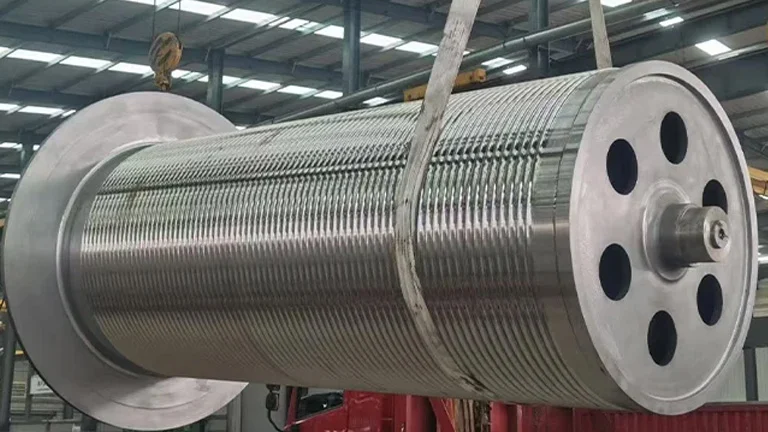
Selecting the correct crane drum is critical for lifting safety, wire rope life, and long-term operating cost. Whether you are designing an overhead crane, gantry crane, or hoist system, the drum directly affects fatigue performance and structural reliability. At Hanko Heavy Industry, we manufacture and export crane hoist drums for heavy-duty industrial applications worldwide. Based on real project experience, this guide explains how to choose the right wire rope drum step by step. Why Crane Drum Selection Directly Affects Safety A crane drum is not simply a rope storage component. It is a load-bearing mechanical part subjected to repeated bending stress from the wire rope. If the drum diameter, groove […]
How Does a Crane Brake Work?
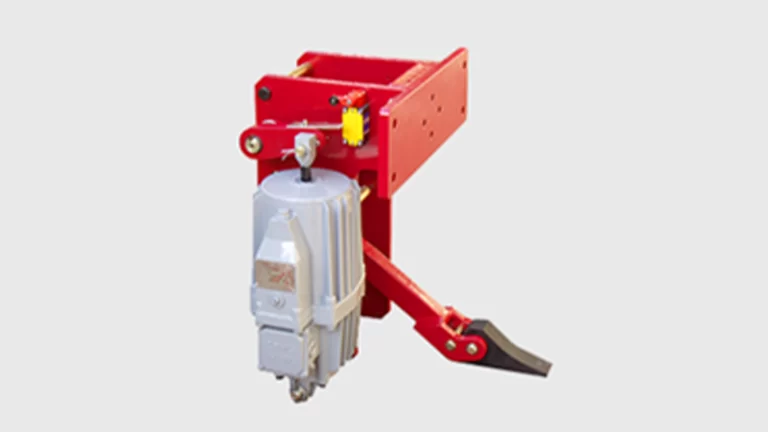
In a crane’s safe operating system, the brake is truly the “guardian of safety,” bearing the critical responsibilities of motion control, deceleration and braking, and preventing load slipping. Whether it is holding and positioning a suspended load during hoisting, ensuring smooth and stable stopping of the traveling mechanisms, or providing emergency braking in the event of a sudden failure, the performance of the brake directly determines the safety and reliability of crane operation. Functions and Design Principles of Crane Brakes During operation, a crane must frequently perform actions such as lifting, lowering, and traveling with heavy loads, and the core function of the brake is to precisely control these movements. […]
How to Pick the Perfect Wire Rope Drums for Maximum Performance?
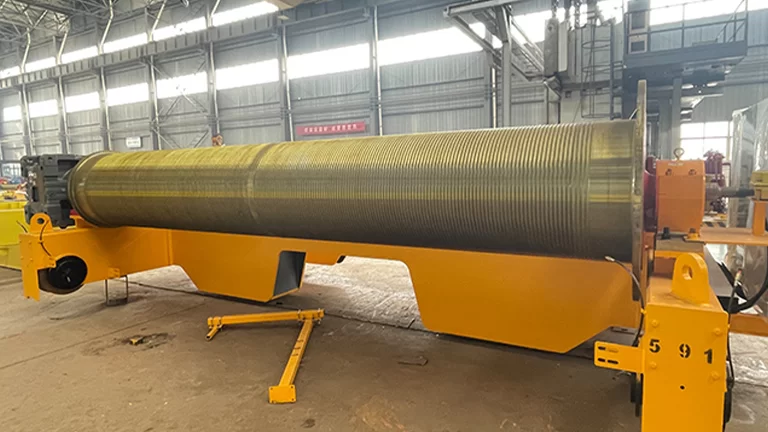
A rope drum—also known as a crane wire rope drum or cable drum crane—is the power center of any lifting system. It handles rope winding, storage, and release. Its stability directly affects the safety, efficiency, and service life of the hoisting mechanism. Whether used in overhead cranes, port container cranes, workshop lifting systems, metallurgical equipment, or electric hoists, the crane cannot operate reliably without a properly designed crane rope drum. As a manufacturer with many years of experience in crane drums, HANKO Heavy Industry has delivered thousands of drum solutions worldwide. Through long-term cooperation with customers across different industries, we have accumulated extensive real-world project data and practical engineering insights. […]
Why Are Sheaves So Important in Crane Operations?
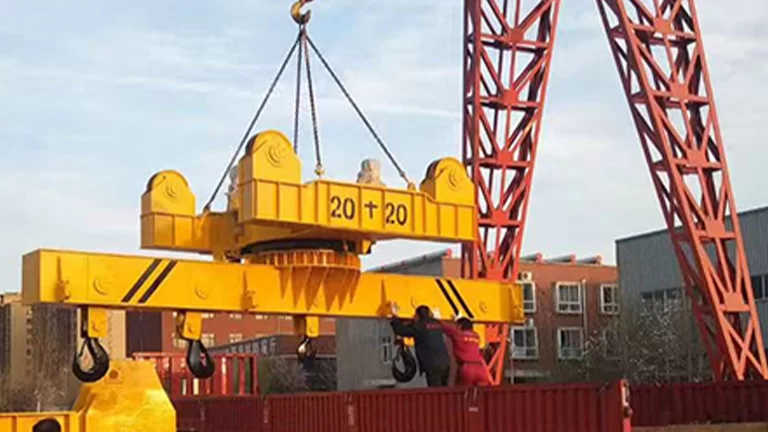
Introduction: The True “Power Core” of Cranes In crane operations, engineers often concentrate on motor power, lifting capacity, and wire rope specifications. However, they frequently overlook a decisive component—the crane pulley block and its internal crane sheaves. In reality, the rational design and stable performance of the crane pulley system directly support safe, controllable, and efficient lifting under high load conditions. From an engineering practice perspective, many reliability issues in lifting systems originate not from motors or control systems. Instead, they result from wear, improper selection, or insufficient manufacturing precision of crane pulleys, especially the crane sheaves. Therefore, understanding what a sheave is on a crane and selecting high-quality pulley […]
How Many Slings Can Be Attached to a Crane Hook?
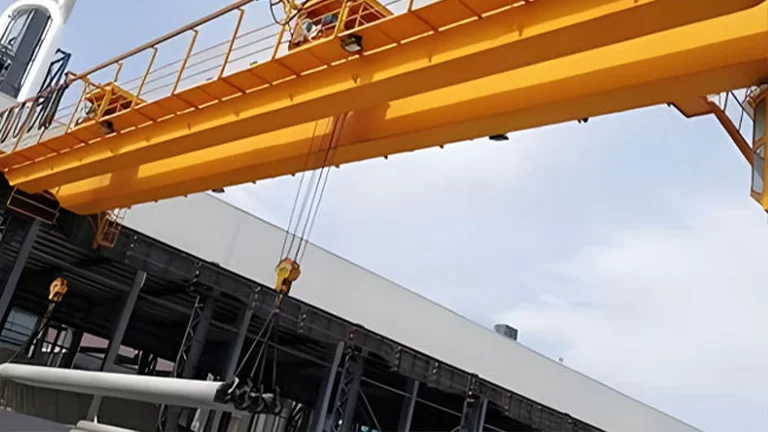
What Is A Crane Hook? A crane hook is a device that grasps and lifts loads through equipment such as hoists or cranes. It usually features a safety latch to prevent wire rope slings, chains, or ropes connected to the load from detaching. As one of the most critical components of lifting machinery, the crane hook bears nearly the entire weight of the load. Any defect or failure can lead to serious or even fatal accidents. For this reason, standard crane hook assemblies typically follow strict and standardized manufacturing processes. At Hanko, crane hook production strictly follows technical specifications. We use premium materials and apply proper forging, machining, and heat treatment processes throughout manufacturing. […]
Analysis of Crane Wheel Materials and Applications
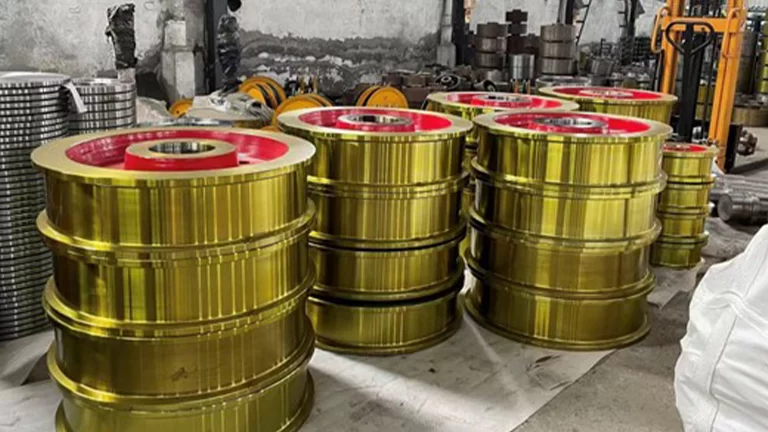
Material Characteristics and Performance Analysis of Crane Wheels Cranes are key heavy-duty machines used in industrial production, port logistics, and construction. Their operating reliability directly affects productivity and safety. Among all crane components, the wheel is one of the most critical parts of the travel system. It works together with the crane’s long-travel and cross-travel mechanisms, carrying the full weight of the crane, the lifting load, and the impact forces during operation. Because crane wheels run continuously on rails under heavy pressure, they are prone to wear, fatigue, and surface spalling. Statistics show that wheel failures account for over 35% of all crane travel-system faults, and poor material selection or […]
What Is a Gear Motor?
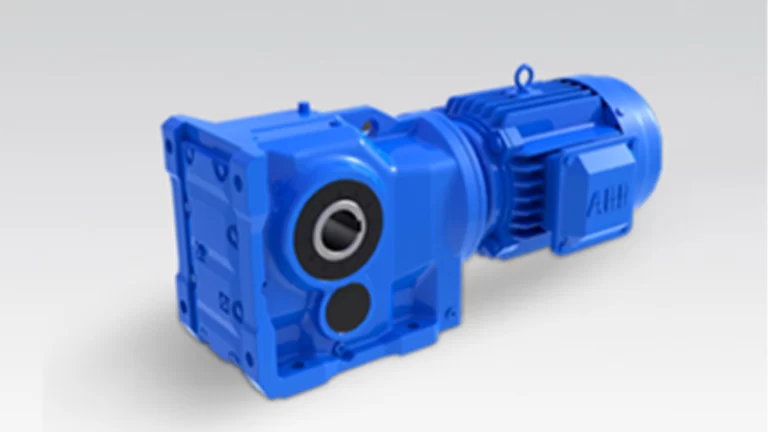
A geared motor is a power transmission device that integrates an electric motor with a gear reducer. The motor shaft is integrated with the first-stage gear shaft, resulting in a particularly compact structure. Its core function is to utilize the speed reduction and torque multiplication characteristics of the gear train to output low-speed, high-torque power that matches the operating conditions of the equipment. It is widely used in industrial applications such as cranes, conveyors, and automated production lines where precise control of speed and torque is required. 1.Working Principle of a Gear Motor The electric motor outputs original power with high speed and low torque. After the power is transmitted […]
Understanding Three-Phase Induction Variable Frequency Motors
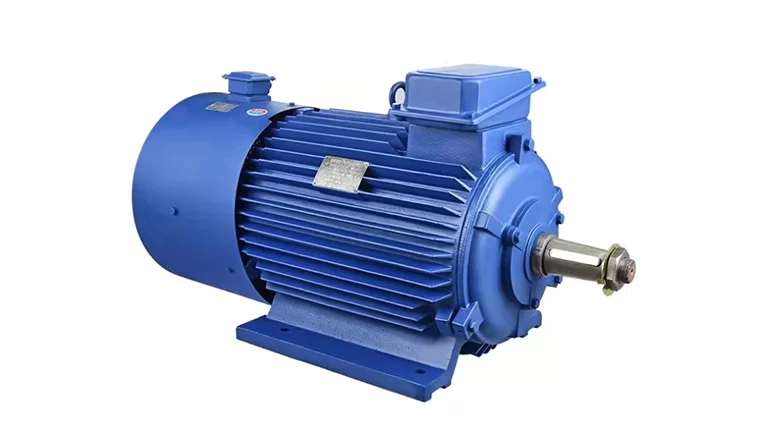
With the rapid development of industrial automation, three-phase asynchronous variable-frequency motors have become standard equipment in many industries. This type of motor combines a three-phase asynchronous motor with variable-frequency drive (VFD) technology to achieve speed control. By adjusting the supply frequency of the stator, the motor changes its synchronous speed and regulates operating speed accordingly. Compared with conventional motors, variable-frequency drive induction motors feature a simple structure, convenient manufacturing, easy maintenance, stable performance, and reliable operation. As a result, they are widely used across industrial applications. This article explains the working principle, key features, application fields, and selection considerations of three-phase asynchronous variable-frequency motors. It aims to help technicians, equipment […]
 English
  Korean
  Russian
  Spanish
  Malay
Malay  Afrikaans
  Bulgarian
  French
  Bengali
  Italian
  Hungarian
  Vietnamese
  Thai
Thai  Indonesian
  German
  Arabic
  Japanese