Daily Crane Safety Checklist: Essential Pre-Operation Inspection Guide
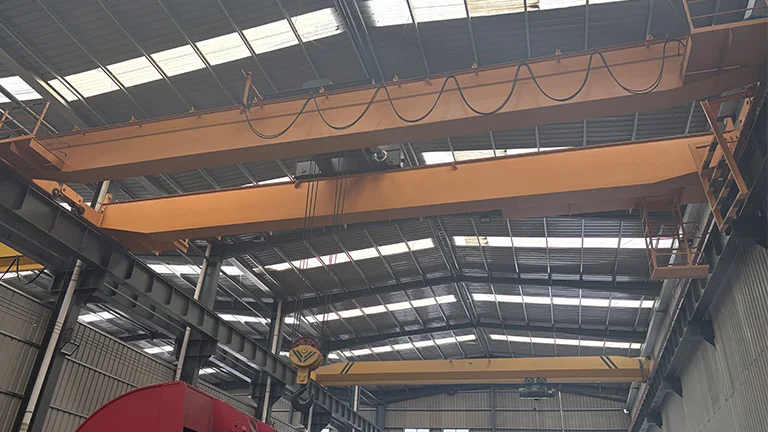
Every lifting operation starts with safety. A well-executed crane safety checklist helps operators identify potential hazards before they become equipment failures or workplace accidents. Unlike periodic maintenance inspections, a daily crane safety checklist focuses on quick but essential pre-operation checks that operators perform before every shift. These inspections take only a few minutes, yet they significantly reduce downtime, improve equipment reliability, and protect personnel. At Hanko, we recommend combining daily inspections with scheduled preventive maintenance to maximize the service life of your crane components, including electric hoists, crane hooks, wire ropes, brake systems, and lifting accessories. Featured Snippet What is included in a daily crane safety checklist? A daily crane […]
Overhead Crane Inspection Checklist
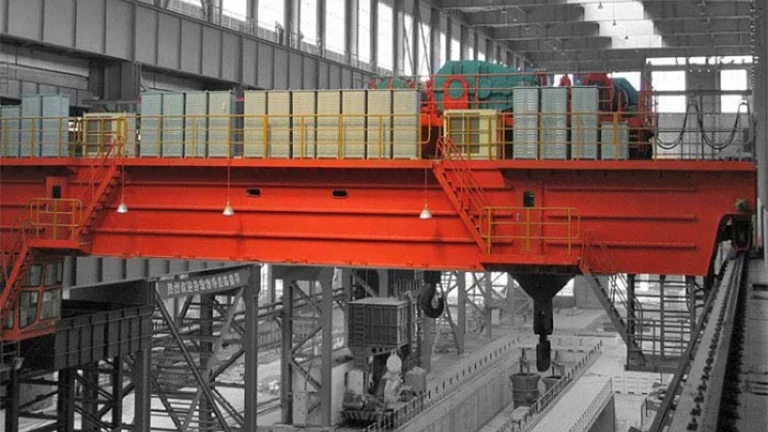
Regular overhead crane inspection is essential for maintaining workplace safety, extending equipment life, and minimizing unexpected downtime. Whether you operate a bridge crane in a manufacturing plant, warehouse, steel mill, or port, routine inspections help identify wear before it develops into costly failures. At Hanko, we recommend following a structured inspection schedule that covers not only the crane itself but also critical crane components such as electric hoists, wire rope hoists, crane hooks, wire ropes, crane brakes, drum assemblies, couplings, and safety devices. This guide provides a practical overhead crane inspection checklist based on industry best practices and commonly accepted safety standards. Featured Snippet What should be included in an […]
 English
  Korean
  Russian
  Spanish
  Malay
Malay  Afrikaans
  Bulgarian
  French
  Bengali
  Italian
  Hungarian
  Vietnamese
  Thai
Thai  Indonesian
  German
  Arabic
  Japanese