
Signs Your Crane Needs Crane Replacement Parts
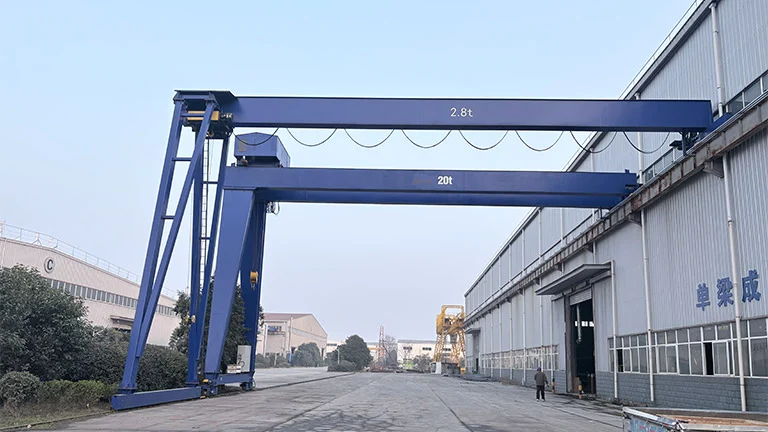
Crane breakdowns rarely start with a dramatic failure. They start with small, repeatable signals: a new scraping noise on travel, a hook latch that doesn’t close cleanly, a wire rope that looks dry and “hairy,” or wheels that keep eating one rail. If you maintain overhead cranes or gantry cranes, catching these signals early matters for two reasons: Safety. Many defects are in the load path (rope, hook, sheaves, brake). Those aren’t “run it until next shutdown” items. Uptime and cost. Replacing the wrong part, or replacing a part without fixing the root cause (alignment, lubrication, electrical issues), is how you end up buying the same crane replacement parts twice. […]
How to Reduce Crane Downtime: 7 Practical Strategies That Actually Work
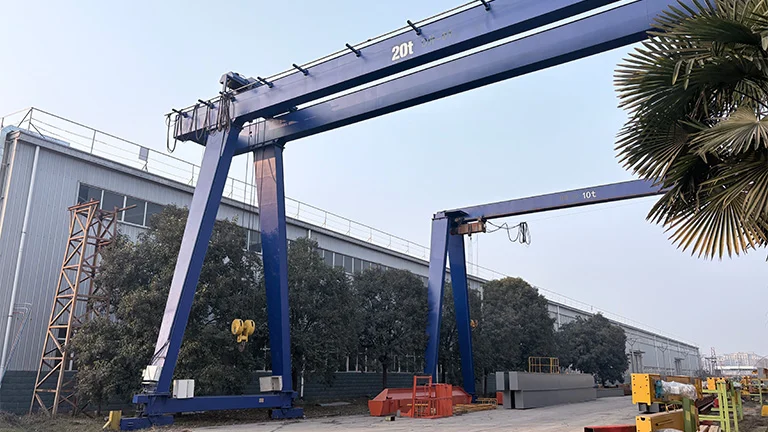
Every hour of crane downtime costs more than a repair bill. It can delay production, interrupt logistics, increase labor costs, and even affect customer delivery schedules. Many facilities still follow a reactive maintenance model—repairing equipment only after it fails. While this may seem economical in the short term, unexpected breakdowns often result in much higher costs than routine maintenance. Fortunately, reducing crane downtime doesn’t always require expensive monitoring systems or major equipment upgrades. By improving inspections, maintenance planning, spare parts management, and operator involvement, companies can significantly increase crane availability. This guide shares practical strategies that maintenance managers and crane operators can implement immediately. Featured Snippet How can crane […]
 English
  Korean
  Russian
  Spanish
  Malay
Malay  Afrikaans
  Bulgarian
  French
  Bengali
  Italian
  Hungarian
  Vietnamese
  Thai
Thai  Indonesian
  German
  Arabic
  Japanese