Crane Parts Supplier China: Global Export of Forged & Machined Components
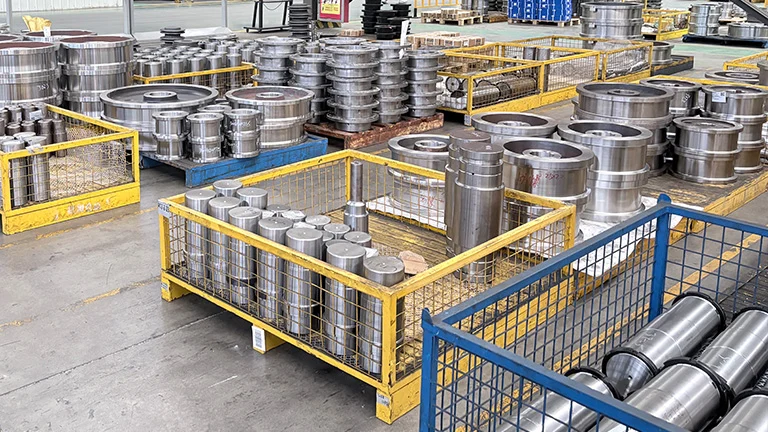
Looking for a crane parts supplier in China? Hanko combines integrated manufacturing, competitive pricing, and a broad product range. This page covers what we supply, the markets we serve, and the process for ordering crane components from China. Featured Snippet: Quick Answer Hanko is a crane parts supplier based in China, exporting forged wheels, hooks, wire rope drums, sheaves, couplings, brakes, and gearboxes to Russia, Europe, Southeast Asia, South America, and the Middle East. Parts are manufactured to DIN, FEM, and ISO standards with EN 10204 3.1 material certificates and NDT reports available on request. Custom and replacement parts are produced from your drawings. Shipping terms include FOB, CIF, and […]
Crane Parts from China: Forged, Cast & Machined Components by Hanko
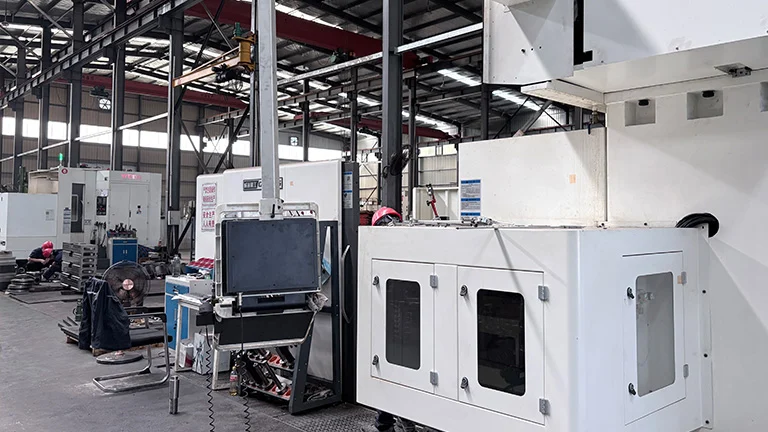
When you source crane parts from China, you need a supplier who can deliver consistent quality, certified materials, and reliable export logistics. Hanko supplies forged, cast, and machined components for your overhead, gantry, portal, and metallurgical cranes. This page introduces the product range, quality systems, and export experience behind every shipment, so you can source crane components from China with confidence. Featured Snippet: Quick Answer Hanko is a crane parts supplier based in China, providing wheels, hooks, drums, sheaves, couplings, brakes, and gearboxes for industrial cranes. The supply chain integrates open-die forging, sand casting, CNC machining, welding, and heat treatment. All parts can be supplied with EN 10204 3.1 […]
 English
  Korean
  Russian
  Spanish
  Malay
Malay  Afrikaans
  Bulgarian
  French
  Bengali
  Italian
  Hungarian
  Vietnamese
  Thai
Thai  Indonesian
  German
  Arabic
  Japanese