
How to Choose the Right Crane Gearbox
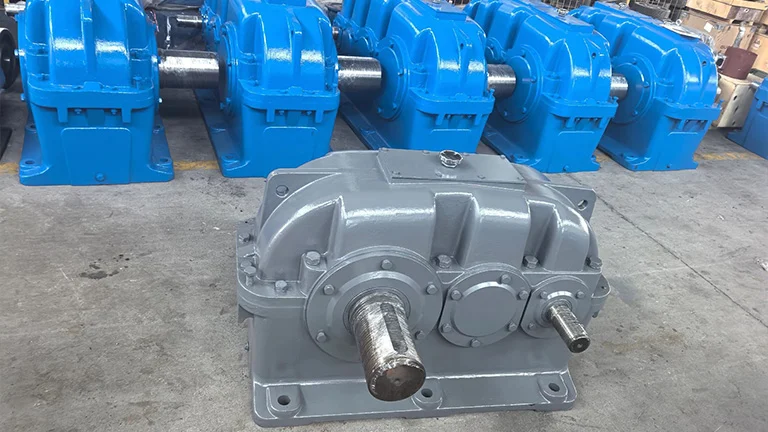
🔹 Quick Answer (Featured Snippet) Crane gearbox selection requires evaluating torque, gear ratio, working conditions, and gearbox type. Key steps include: Calculate required torque with safety factor (1.5–2.0) Determine correct gear ratio (input/output speed) Select suitable gearbox type (planetary, helical, worm, cycloidal) Consider environment (temperature, dust, humidity) Verify load capacity, thermal limits, and backlash 👉 Proper selection ensures safe operation, longer service life, and lower maintenance costs. Introduction In crane systems, the gearbox directly determines motion control, lifting stability, and mechanical efficiency. However, many failures originate from incorrect gearbox selection rather than product defects. Therefore, a structured approach to crane gearbox selection is essential. This guide provides a complete […]
Crane Brake Troubleshooting: Common Problems and Fixes
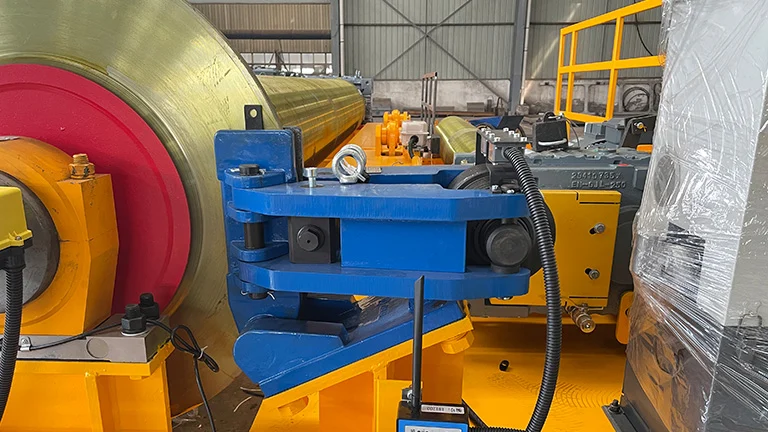
Introduction In crane operations, brake systems play a critical role in ensuring safety, load control, and positioning accuracy. However, crane brake problems can quickly lead to load slipping, uncontrolled motion, or even severe accidents. Therefore, understanding typical failure modes and implementing effective troubleshooting methods is essential for maintaining system reliability. In this guide, we analyze the most common crane brake issues, their root causes, and practical solutions based on real-world maintenance experience. 1. Brake Slippage (Brake Not Holding) One of the most dangerous crane brake problems is brake slippage, which may cause load dropping or crane drifting. Common Causes Worn brake linings with exposed rivets Oil contamination on brake […]
 English
  Korean
  Russian
  Spanish
  Malay
Malay  Afrikaans
  Bulgarian
  French
  Bengali
  Italian
  Hungarian
  Vietnamese
  Thai
Thai  Indonesian
  German
  Arabic
  Japanese