
Introduction
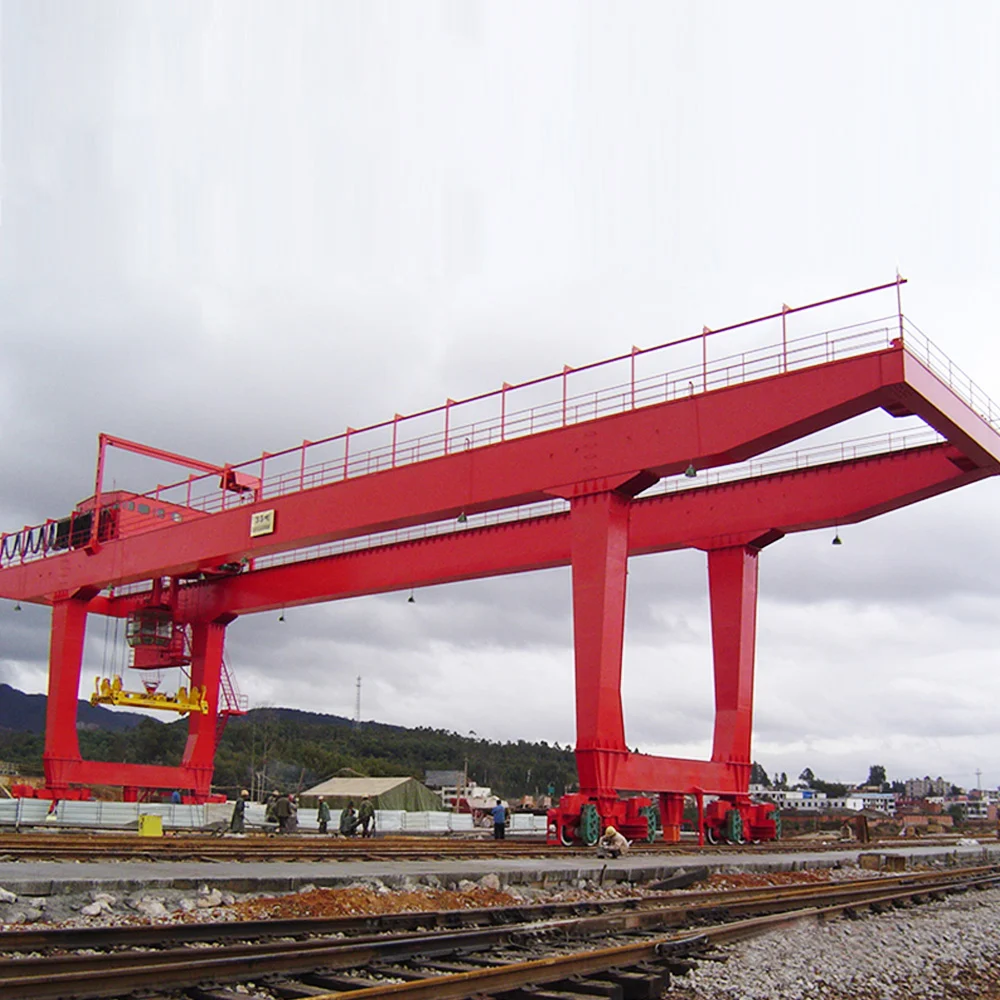
Understanding crane parts cost is essential for buyers, contractors, and equipment managers—especially in price-sensitive markets like Southeast Asia, the Middle East, Africa, and South America.
However, many buyers focus only on the initial price, while ignoring the key factors that actually determine long-term value.
In this guide, we break down the real cost structure of crane parts and explain how to make smarter purchasing decisions.
Featured Snippet
What affects crane parts cost?
Crane parts cost is mainly influenced by:
- Raw material prices (especially steel)
- Manufacturing complexity and customization
- Core component sourcing (imported vs local)
- Production scale
- Brand and technology level
- Quality and safety standards
- Market supply and demand
1. Raw Material Cost: The Biggest Price Driver
Raw materials account for a significant portion of crane parts cost, especially for structural components.
Key Factors:
- Steel prices fluctuate based on global supply, energy costs, and policies
- Additional materials like copper, aluminum, and rubber also impact pricing
- Transportation costs can further increase material expenses
👉 For example:
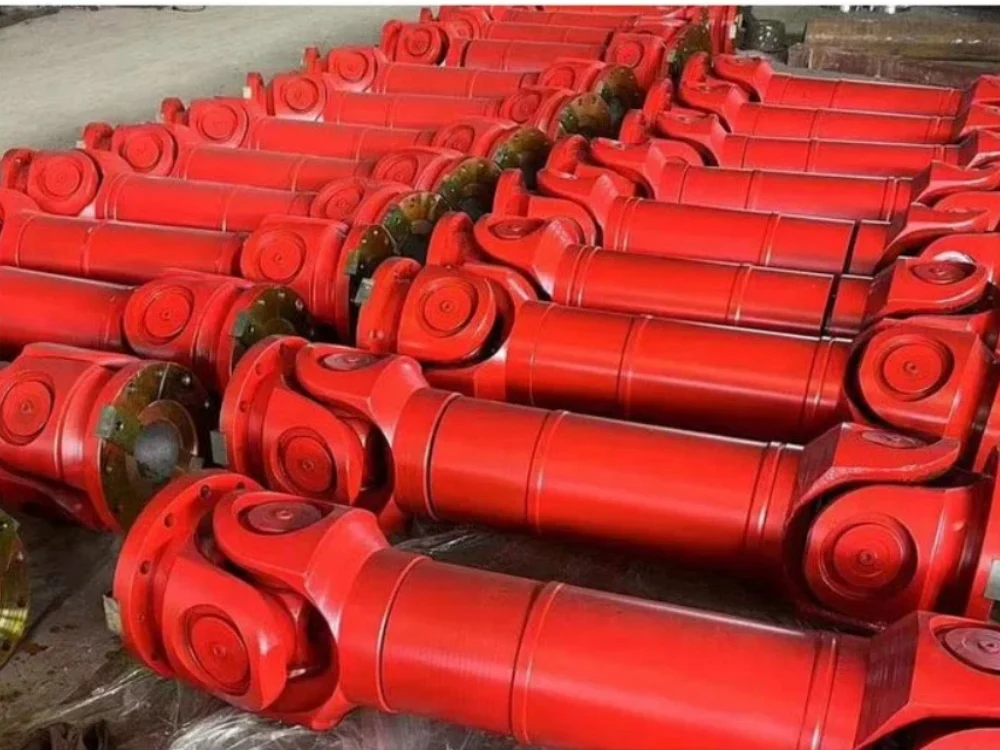
Crane drums, wheels, and hooks heavily depend on high-grade steel, so even small price changes can affect the final quote.
2. Manufacturing Process & Complexity
Not all crane parts are produced the same way. In fact, production complexity directly impacts cost.
Important Variables:
- Customization level (non-standard vs standard parts)
- Precision machining requirements
- Advanced processes (CNC, robotic welding, heat treatment)
Although advanced manufacturing improves durability and performance, it also increases production cost.
👉 However, for harsh working environments, this investment reduces long-term maintenance expenses.
3. Core Components: Imported vs Local
Some crane parts rely on high-tech components such as:
Cost Difference:
- Imported brands → higher cost, better stability
- Local alternatives → lower cost, variable performance
👉 In many emerging markets, buyers prefer a balanced solution: reliable performance without unnecessary premium cost.
4. Production Scale Effect
Scale matters more than most buyers realize.
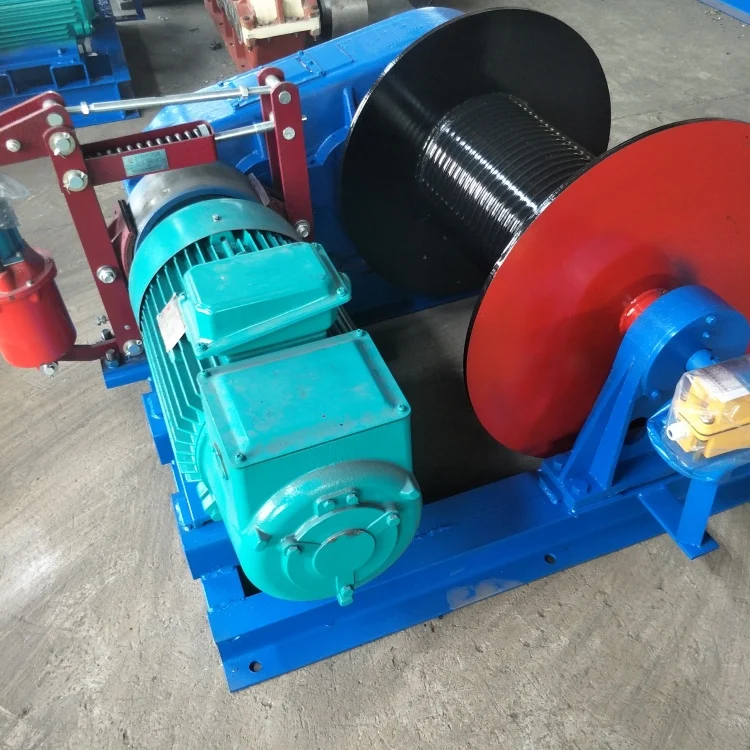
- Large-scale production reduces unit cost
- Bulk purchasing lowers raw material prices
- Optimized processes improve efficiency
👉 This is why manufacturers like Hanko can offer competitive pricing without sacrificing quality.
5. Brand & Technology Premium
Brand reputation plays a significant role in pricing.
- Well-known brands charge more due to:
- Proven reliability
- Strong after-sales support
- Strict quality control
- Lesser-known brands may offer lower prices but with potential risks
👉 The key is to find a cost-effective supplier, not just the cheapest option.
6. Quality & Safety Standards
Higher safety requirements always increase cost—but they also reduce risk.
Examples:
- Non-destructive testing (NDT)
- Overload protection systems
- Precision balancing and inspection
In industries like steel plants, ports, and heavy manufacturing, investing in high-quality parts is essential.
7. Market Supply & Demand
Like any industrial product, crane parts cost fluctuates with market conditions.
- High demand → price increases
- Supply chain disruptions → cost spikes
- Oversupply → competitive pricing
👉 This is especially relevant in developing regions where infrastructure projects drive demand.
How to Optimize Crane Parts Cost (Buyer Tips)
To balance cost and performance, consider the following:
- Choose standardized partswhenever possible
- Avoid over-specification
- Evaluate total lifecycle cost, not just purchase price
- Work with reliable manufacturers like Hanko
- Plan procurement in advance to avoid market spikes
Conclusion
Crane parts cost is not determined by a single factor—it is the result of multiple variables working together.
By understanding these cost drivers, buyers can:
- Avoid unnecessary expenses
- Improve equipment reliability
- Maximize long-term return on investment
In fast-growing markets, smart purchasing decisions can make a significant difference in project success.
FAQ
1. What is the average crane parts cost?
Crane parts cost varies widely depending on type, size, and specifications. Small components may cost a few hundred dollars, while heavy-duty parts can exceed several thousand dollars.
2. Why do crane parts prices fluctuate?
Prices change due to raw material costs, supply chain conditions, and global market demand.
3. Are cheaper crane parts worth buying?
Not always. Lower-cost parts may reduce upfront investment but can lead to higher maintenance and replacement costs.
4. How can I reduce crane parts cost without losing quality?
Choose standardized designs, reliable suppliers, and avoid unnecessary customization.
5. Do imported crane parts perform better?
Imported parts often offer higher consistency, but many local manufacturers now provide comparable quality at lower cost.
📚 Related Articles
- Crane Maintenance Checklist
- Crane Gearbox Selection
- Crane Wire Rope Selection Guide
- Crane Sheave Design and Calculation
Get Competitive Crane Parts Pricing from Hanko
Looking for reliable and cost-effective crane components?
At Hanko, we provide:
- Custom and standard crane parts
- Stable quality with competitive pricing
- Fast response and global delivery
- Full technical support
👉 Contact us today to get a free quote and cost analysis for your project.

 English
  Korean
  Russian
  Spanish
  Malay
Malay  Afrikaans
  Bulgarian
  French
  Bengali
  Italian
  Hungarian
  Vietnamese
  Thai
Thai  Indonesian
  German
  Arabic
  Japanese