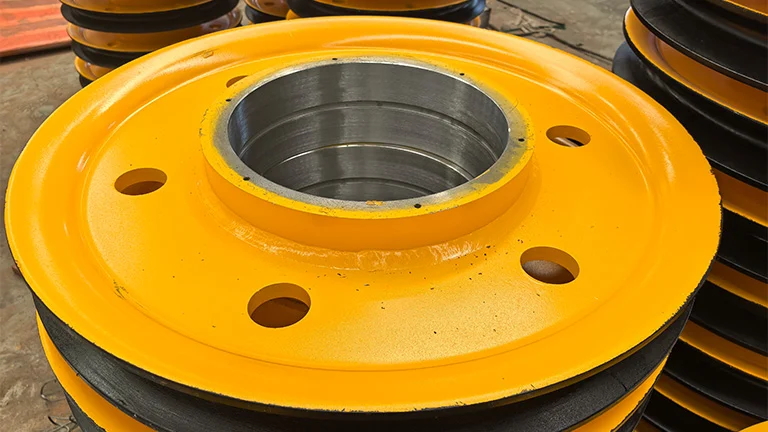
What Are the Different Types of Crane Sheaves? Featured Snippet What are the main types of crane sheaves? The main types of crane sheaves include: Fixed sheaves Moving sheaves Guide sheaves Single sheaves Double sheaves Multi-sheave blocks Forged crane sheaves Cast crane sheaves Rolled crane sheaves Welded crane sheaves The
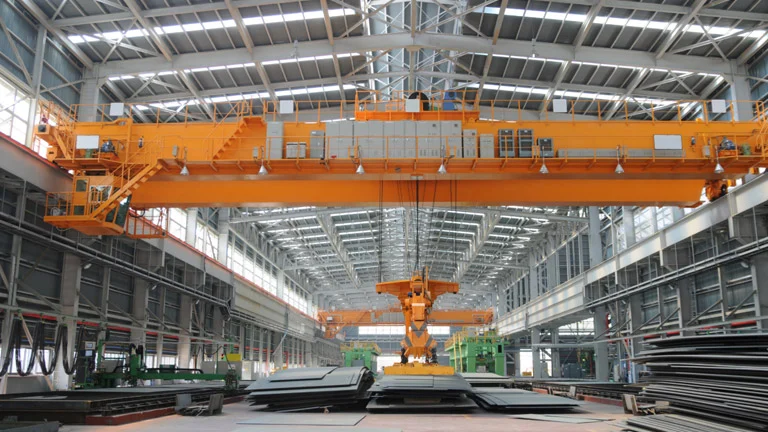
Steel plants are among the toughest environments for overhead cranes. Equipment must move heavy loads every day while operating near furnaces, rolling mills, casting lines, and scrap yards. Heat, dust, shock loads, and continuous duty speed up wear on crane components. As a result, choosing the right steel mill crane
What Drives Crane Parts Price? From Material to Logistics
When sourcing industrial crane components, the crane parts price is far more than the number shown on a quotation. Material selection, manufacturing processes, inspection standards, packaging, transportation, and import costs all influence the final amount your business pays. For crane manufacturers, maintenance contractors, ports, steel mills, logistics centers, and factories
Cara Mengurangi Biaya Perawatan Derek: 12 Solusi Terbukti untuk Tahun 2026
Introduction This guide covers the main drivers of crane maintenance cost: parts, labor, unplanned downtime, misalignment, and misuse. Wear parts cost hundreds to thousands of dollars. Downtime often runs $1,000–$10,000+ per hour. A reactive approach costs more over time. Studies show that a preventive system can save up to 38%
Tanda-Tanda Derek Anda Membutuhkan Penggantian Suku Cadang Derek
Crane breakdowns rarely start with a dramatic failure. They start with small, repeatable signals: a new scraping noise on travel, a hook latch that doesn’t close cleanly, a wire rope that looks dry and “hairy,” or wheels that keep eating one rail. If you maintain overhead cranes or gantry cranes,
Cara Mengurangi Waktu Henti Derek: 7 Strategi Praktis yang Benar-Benar Berhasil
Every hour of crane downtime costs more than a repair bill. It can delay production, interrupt logistics, increase labor costs, and even affect customer delivery schedules. Many facilities still follow a reactive maintenance model—repairing equipment only after it fails. While this may seem economical in the short term, unexpected breakdowns