
Every hour of crane downtime costs more than a repair bill. It can delay production, interrupt logistics, increase labor costs, and even affect customer delivery schedules.
Many facilities still follow a reactive maintenance model—repairing equipment only after it fails. While this may seem economical in the short term, unexpected breakdowns often result in much higher costs than routine maintenance.
Fortunately, reducing crane downtime doesn’t always require expensive monitoring systems or major equipment upgrades. By improving inspections, maintenance planning, spare parts management, and operator involvement, companies can significantly increase crane availability.
This guide shares practical strategies that maintenance managers and crane operators can implement immediately.
Featured Snippet
How can crane downtime be reduced?
The best way to reduce crane downtime is to combine preventive maintenance, daily inspections, condition monitoring, operator training, and proper spare parts management. Identifying small issues early prevents unexpected failures, reduces repair costs, and keeps cranes operating safely and efficiently.
Why Crane Downtime Is More Expensive Than You Think
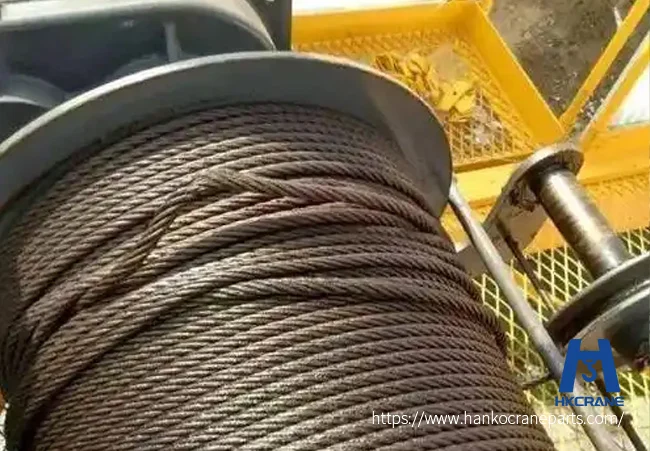
Most crane failures don’t happen without warning.
A brake may begin slipping slightly. A gearbox may become noisier than usual. A wire rope may show early signs of wear. These small changes are often ignored because the crane is still operating.
However, delaying repairs allows minor problems to develop into major failures.
Instead of scheduling a one-hour maintenance stop, companies may face several days of unexpected downtime, emergency repairs, and production losses.
The real cost of crane downtime includes:
- Lost production capacity
- Delayed customer deliveries
- Emergency repair expenses
- Overtime labor
- Replacement part shipping costs
- Reduced equipment lifespan
Preventing downtime is almost always less expensive than recovering from it.
1. Shift from Reactive Maintenance to Preventive Maintenance
One of the biggest causes of excessive downtime is waiting until equipment fails before taking action.
A preventive maintenance program helps identify wear before components reach failure.
Routine maintenance should include:
- Lubricating moving parts
- Adjusting brakes
- Tightening bolts
- Checking gearbox oil
- Inspecting wire ropes or load chains
- Testing electrical systems
- Replacing worn components before failure
Instead of repairing broken equipment, maintenance teams keep cranes operating continuously.
2. Perform Daily Operator Inspections
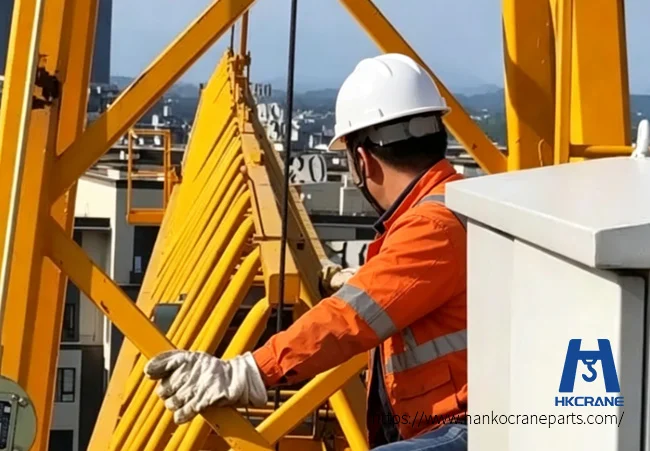
Operators work with the crane every day and often notice problems before anyone else.
A simple five-minute inspection before or after each shift can identify early warning signs.
Daily inspections should include:
- Hook condition
- Wire rope or chain wear
- Brake operation
- Oil leaks
- Abnormal vibration
- Unusual noises
- Loose bolts
- Limit switch operation
These inspections require very little time but can prevent costly shutdowns.
Tip: Create a simple one-page inspection checklist and keep it near the crane control station.
3. Use Condition Monitoring Whenever Possible
Modern condition monitoring allows maintenance teams to detect problems before failures occur.
Depending on the application, monitoring systems can track:
- Motor temperature
- Gearbox vibration
- Bearing condition
- Electrical current
- Brake performance
- Wheel alignment
Advanced facilities may also use AI vision systems or online wire rope monitoring to identify wear without stopping production.
Even basic sensors can significantly reduce troubleshooting time.
4. Keep Critical Spare Parts Available
Many maintenance delays occur because replacement parts are unavailable.
Instead of waiting days—or weeks—for delivery, facilities should stock critical components based on historical failure data.
Common crane spare parts include:
- Brake linings
- Brake springs
- Contactors
- Limit switches
- Bearings
- Wire ropes
- Load chains
- Gearbox seals
- Couplings
- Hoist motors
A well-managed inventory shortens repair time and minimizes operational disruption.
5. Standardize Maintenance Procedures
Maintenance becomes more effective when every technician follows the same process.
Develop standard maintenance procedures for:
- Daily inspections
- Weekly lubrication
- Monthly electrical testing
- Quarterly safety inspections
- Annual overhauls
Using standardized checklists reduces human error and ensures important inspection points are never overlooked.
Consistent maintenance also makes it easier to identify recurring problems.
6. Improve Communication Between Operators and Maintenance Teams
Operators and maintenance technicians often notice different issues.
When they communicate regularly, small abnormalities can be investigated before they become serious failures.
One effective approach is scheduling a short weekly inspection involving both teams.
During this inspection they can discuss:
- Unusual sounds
- Brake response
- Operating temperatures
- Oil condition
- Travel smoothness
- Load handling performance
These conversations frequently uncover issues that routine inspections might miss.
7. Choose the Right Crane for the Application
Some downtime begins before the crane is even installed.
An undersized crane operating continuously above its intended duty cycle will experience accelerated wear.
When selecting equipment, consider:
- Rated lifting capacity
- Working duty classification
- Lifting frequency
- Travel distance
- Ambient temperature
- Dust or corrosive environments
- Indoor or outdoor installation
Proper equipment selection significantly improves long-term reliability.
Simple Improvements Deliver Big Results
Many companies assume reducing crane downtime requires costly digital transformation projects.
In reality, several low-cost improvements can make an immediate difference.
For example:
Create a Daily Inspection Card
List five basic inspection items.
Operators simply check each item before leaving their shift.
The process takes less than five minutes.
Display Equipment Status
Install a small maintenance board beside each crane showing:
- Last maintenance date
- Current equipment status
- Outstanding issues
- Days without failure
Visible maintenance records encourage accountability and improve communication.
Schedule Weekly Health Checks
Reserve 15–20 minutes each week for a joint inspection by operators and maintenance personnel.
No major disassembly is required.
Simply inspect, listen, observe, and discuss equipment condition.
Many major failures begin as small changes that experienced technicians can recognize early.
Build a Reliability Culture
Technology helps reduce downtime, but people remain the most important part of maintenance.
Encourage operators to report abnormalities immediately instead of waiting until equipment fails.
Likewise, maintenance teams should prioritize preventive work rather than responding only to emergencies.
As one experienced crane maintenance engineer explains:
“The most reliable cranes aren’t necessarily the newest—they’re the ones that receive consistent attention before problems become failures.”
A strong maintenance culture creates long-term improvements in safety, reliability, and productivity.
Why Reliable Components Matter
Preventive maintenance is only effective when replacement parts meet the same quality standards as the original equipment.
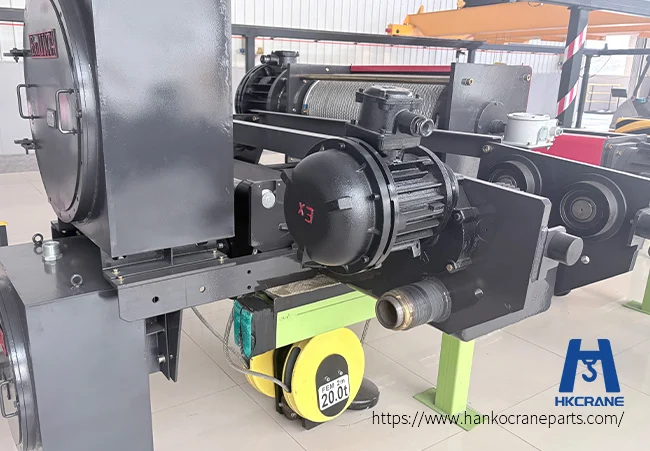
Hanko supplies industrial crane components designed for reliable long-term operation, including:
- Electric hoists
- Wire rope hoists
- Chain hoists
- Crane brake systems
- Storm brakes
- Hook blocks
- Wire rope drums
- Wheels
- Rail clamps
- Gear reducers
- Electrical control components
High-quality parts help reduce unexpected failures and support a more effective preventive maintenance program.
Frequently Asked Questions
What causes crane downtime?
The most common causes include worn brakes, damaged wire ropes, gearbox failures, electrical faults, poor lubrication, operator errors, and delayed maintenance.
How can preventive maintenance reduce crane downtime?
Routine inspections identify wear before components fail, allowing maintenance teams to schedule repairs instead of responding to emergencies.
How often should cranes be inspected?
Operators should perform daily visual inspections, while more comprehensive maintenance should be scheduled weekly, monthly, quarterly, and annually based on equipment usage.
Should facilities keep crane spare parts in stock?
Yes. Maintaining an inventory of critical replacement parts significantly reduces repair time and minimizes production interruptions.
Is predictive maintenance worth the investment?
For cranes operating continuously or in high-value production environments, predictive maintenance often reduces downtime, lowers maintenance costs, and extends equipment life.
Related Articles
- Crane Preventive Maintenance Guide
- Daily Crane Safety Checklist
- Overhead Crane Inspection Checklist
- Common Overhead Crane Problems
- How to Maintain an Electric Hoist
- Common Electric Hoist Failures and Fixes
- Chain Hoist vs Wire Rope Hoist: Pros and Cons
- Explosion-Proof Electric Hoist Guide
Conclusion
Reducing crane downtime doesn’t always require expensive upgrades. In many cases, simple improvements—such as daily inspections, preventive maintenance, standardized procedures, and better communication—can dramatically improve equipment reliability.
Rather than waiting for failures to occur, successful maintenance teams focus on identifying and correcting small problems early. This proactive approach reduces repair costs, increases productivity, and helps cranes operate safely for years to come.
Contact Hanko for Reliable Crane Components
Looking to reduce crane downtime with dependable replacement parts?
Hanko supplies high-quality crane components, electric hoists, brake systems, wheels, hook blocks, rail clamps, and other lifting solutions for ports, factories, warehouses, steel plants, and industrial facilities worldwide.
Contact Hanko today for technical support, product recommendations, or a customized quotation to keep your cranes running safely and efficiently.

 English
  Korean
  Russian
  Spanish
  Malay
Malay  Afrikaans
  Bulgarian
  French
  Bengali
  Italian
  Hungarian
  Vietnamese
  Thai
Thai  Indonesian
  German
  Arabic
  Japanese