
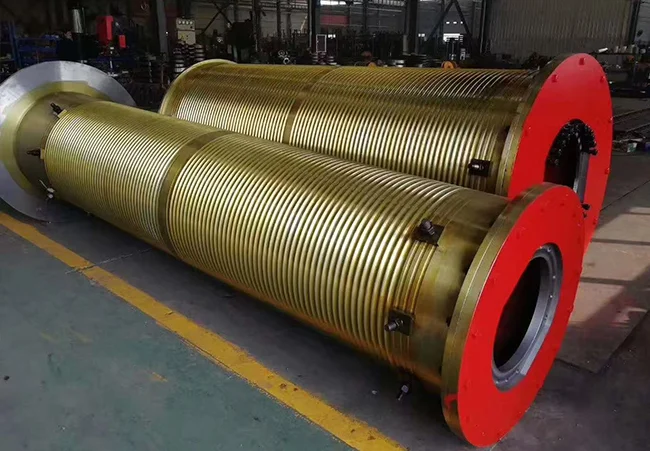
The crane drum is one of the most critical components in a crane hoisting system. It works together with the wire rope and sheaves to convert the rotational motion of the motor into vertical lifting movement. Therefore, proper crane drum selection directly affects lifting safety, equipment lifespan, and operational efficiency.
Industry standards such as GB/T 34529-2017 – Cranes and Hoists: Selection of Wire Rope, Drums, and Sheaves provide clear guidelines for selecting crane drums. These guidelines consider factors such as wire rope diameter, safety factors, winding type, and operating conditions.
In this guide, we explain how to select the right crane drum based on engineering principles and industry standards.
Why Crane Drum Selection Is Important
The crane drum stores and guides the wire rope during lifting operations. As the drum rotates, it winds or unwinds the rope to raise or lower loads.
If the drum size, groove design, or material is not selected properly, several problems may occur:
- Excessive wire rope wear
- Rope overlapping or jumping grooves
- Reduced lifting efficiency
- Increased risk of mechanical failure
Therefore, engineers must carefully evaluate design parameters during crane drum selection to ensure reliable crane performance.
Key Factors in Crane Drum Selection
Several technical factors determine whether a crane drum is suitable for a lifting system.
1. Wire Rope Diameter and Safety Factor
The first step in crane drum selection is determining the appropriate wire rope specifications.
According to crane design standards, the minimum breaking force of the wire rope should satisfy the following formula:
Fmin ≥ S × Zp
Where:
- Fmin= minimum breaking force of the wire rope
- S= maximum rope tension
- Zp= minimum safety factor
The safety factor depends on the crane type, working class, and lifting conditions. For example:
- General cranes typically require safety factors above 5
- Metallurgical cranes require a minimum safety factor of 1
- Container cranes require at least 6
Selecting the correct rope strength ensures safe lifting operations and prevents rope failure.
2. Drum Diameter Requirements
Another critical factor in crane drum selection is the drum diameter relative to the wire rope diameter.
Industry standards specify the minimum drum diameter using the formula:
D ≥ h × t × d
Where:
- D= drum pitch diameter
- d= nominal wire rope diameter
- t= rope type coefficient
- h= drum selection factor based on working class
For example:
| Crane Working Class | Minimum Drum Factor (h) |
| M1 | 11.2 |
| M3 | 14 |
| M5 | 18 |
| M7 | 22.4 |
| M8 | 25 |
Larger drum diameters reduce bending stress on the wire rope and extend its service life.
3. Drum Groove Design
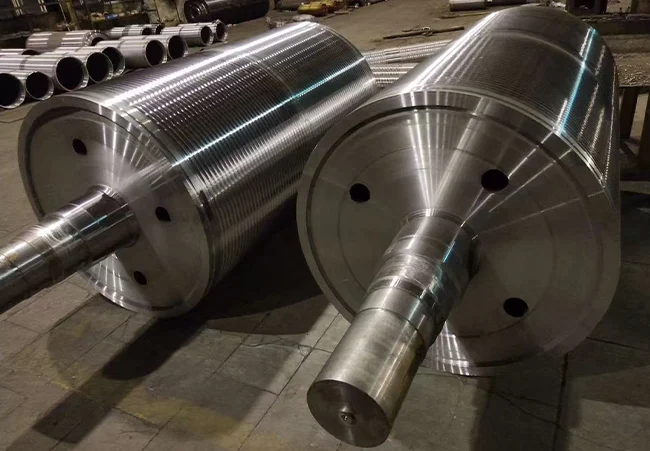
Drum grooves guide the wire rope during winding and prevent rope displacement.
In most cases, grooved drums are recommended because they provide better rope alignment and reduce wear.
Typical groove design parameters include:
- Groove radius: 525d – 0.55d
- Optimal value: 5375d
- Groove angle: 45° – 60°
A properly designed groove ensures smooth rope movement and reduces friction.
4. Single-Layer vs Multi-Layer Winding
The winding method also affects crane drum selection.
Single-layer winding
Single-layer winding is common in overhead cranes. It offers several advantages:
- Lower rope wear
- Easier inspection
- More stable rope alignment
Multi-layer winding
Multi-layer winding is used when the lifting height is large or the crane structure limits drum length. Examples include mobile cranes and tower cranes.
However, multi-layer winding increases rope contact pressure and may cause cross-layer wear.
Therefore, engineers must carefully design drum flanges and rope guides when using multi-layer winding systems.
5. Rope Deviation Angle
During operation, the wire rope must enter and leave the drum within acceptable deviation angles.
Typical limits include:
- Rope deviation angle at sheave: ≤ 5°
- Rope deviation angle on drum grooves: ≤ 3.5°
- Multi-layer smooth drum without rope guide: ≤ 1.7°
To reduce deviation angles, engineers may:
- Increase drum diameter
- Increase the distance between drum and sheave
- Optimize rope routing
Proper rope alignment significantly improves lifting reliability.
Crane Drum Material and Structural Design
Material selection also plays a critical role in crane drum selection.
Common drum materials include:
| Material | Application |
| Cast iron | Light-duty cranes |
| Cast steel | Medium to heavy-duty cranes |
| Welded steel drums | High-performance cranes |
Typical material standards include:
- HT150 or higher for cast iron drums
- QT500-7 ductile iron for heavy-duty drums
- ZG230-450 cast steel for critical applications
Additionally, welded drums usually use Q235B or Q345B steel plates with forged shafts to ensure high structural strength.
Safety Requirements for Crane Drums
To ensure safe crane operation, several safety rules must be followed during crane drum selection.
Minimum Safety Turns
When the hook reaches the lowest position, the drum must retain at least two safety turns of wire rope.
For certain cranes:
- Tower cranes: at least 3 turns
- Container cranes: at least 5 turns
These safety turns prevent load forces from acting directly on the rope fixing device.
Drum Flange Height
The drum flange should extend above the outer rope layer by:
2 – 2.5 times the rope diameter
This prevents rope derailment during operation.
Special Operating Conditions
In harsh environments such as metallurgical plants or corrosive environments, crane drum design must meet stricter requirements.
Typical measures include:
- Increasing the wire rope safety factor by 25%
- Using higher working classes (not lower than M5)
- Applying heat-resistant lubricants for high-temperature environments
These measures improve safety and durability under extreme conditions.
Conclusion
Proper crane drum selection is essential for ensuring safe and efficient crane operation. Engineers must evaluate multiple technical factors, including wire rope strength, drum diameter, groove design, and working conditions.
By following international and national standards such as GB/T 34529-2017, companies can significantly improve equipment reliability and reduce maintenance costs.
Ultimately, selecting the right crane drum helps extend wire rope life, improve lifting performance, and enhance overall crane safety.
FAQ
What factors affect crane drum selection?
Several factors influence crane drum selection, including wire rope diameter, drum diameter ratio, rope deviation angle, winding type, and crane working class.
Why is drum diameter important?
A larger drum diameter reduces bending stress on the wire rope, which increases rope lifespan and improves lifting reliability.
What is the recommended groove radius for crane drums?
The groove radius should typically be 0.525d to 0.55d, with 0.5375d considered the optimal value.
How many safety turns should remain on the drum?
Most cranes require at least two safety turns of wire rope remaining on the drum when the hook reaches its lowest position.
Looking for Reliable Crane Components?
High-quality crane components are essential for safe and efficient lifting operations. Durable parts not only improve crane performance but also reduce maintenance costs and unexpected downtime.
Hanko specializes in manufacturing and supplying a full range of crane parts for industrial lifting systems, including:
With professional engineering support and strict quality control, we help customers select the right components for various crane applications.
👉 Contact Hanko today to discuss your crane parts requirements and get expert support.
 English
  Korean
  Russian
  Spanish
  Malay
Malay