
What Is a Crane Hoist?
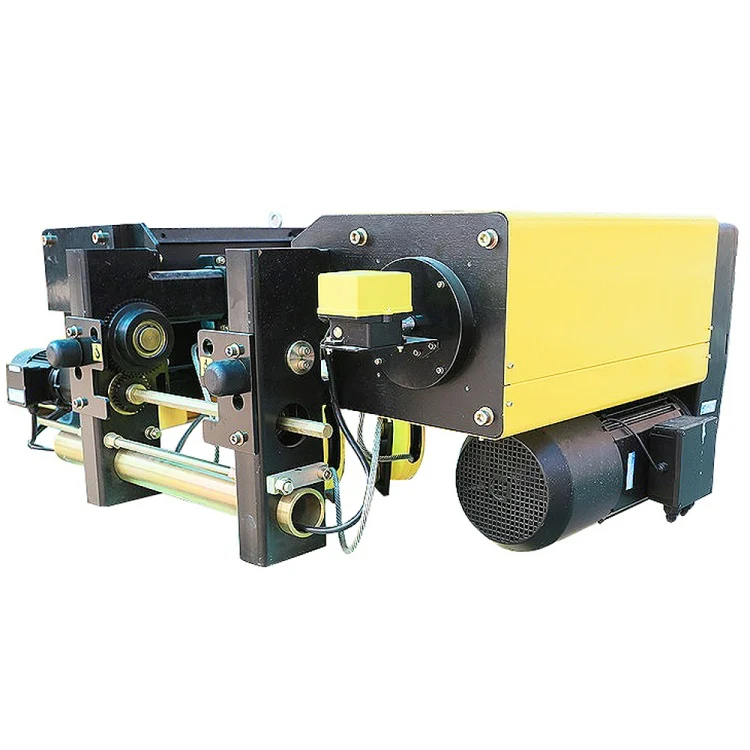
A crane hoist is a lifting device used in crane systems to raise and lower heavy loads using wire rope or chain. It typically consists of a motor, gearbox, brake, drum or chain wheel, and hook assembly. Crane hoists are widely used in overhead cranes, gantry cranes, jib cranes, warehouses, factories, ports, and construction sites for safe and efficient material handling.
Introduction
In modern material handling systems, the crane hoist is one of the most important lifting components. It directly controls the vertical movement of loads and plays a critical role in lifting safety, positioning accuracy, and operational efficiency.
Today, industries such as manufacturing, steel production, logistics, construction, and warehousing rely heavily on electric hoists for daily operations.
Therefore, understanding how a crane hoist works, its main types, and how to choose the right hoist is essential for improving crane performance and reducing downtime.
This guide explains:
- What a crane hoist is
- Main crane hoist components
- Common hoist types
- Working principles
- Industrial applications
- Selection factors
- Maintenance tips
- Safety considerations
1. What Is a Crane Hoist?
A crane hoist is a powered lifting mechanism designed to lift and lower heavy materials.
The hoist operates by:
- Winding wire rope onto a drum, or
- Driving a chain around a chain wheel
This motion moves the hook assembly vertically to handle loads safely and efficiently.
In most crane systems, the hoist serves as the primary lifting mechanism installed on:
- Ponts roulants
- Single girder cranes
- Double girder cranes
- Poutres roulantes
- Jib cranes
- Monorail systems
Moreover, some hoists can also move horizontally when mounted on a trolley system.
2. Main Components of a Crane Hoist
A crane hoist contains several key mechanical and electrical components.
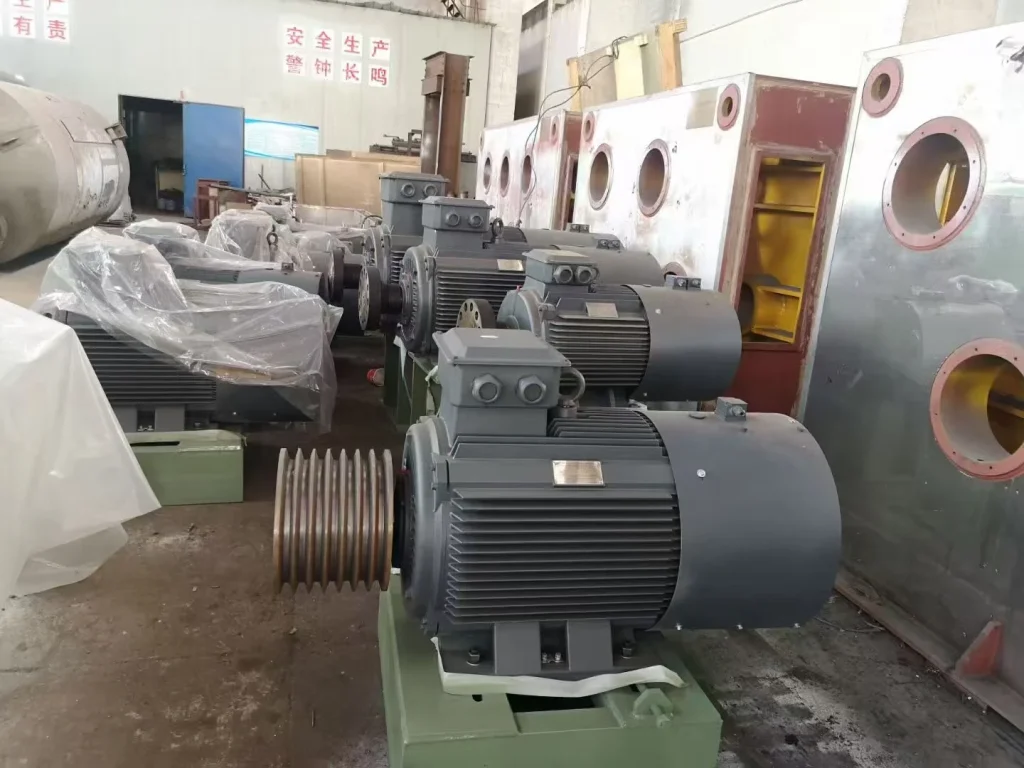
2.1 Electric Motor
The motor supplies driving power for lifting and lowering operations.
Industrial hoists commonly use:
- Single-speed motors
- Dual-speed motors
- Variable frequency motors (VFD)
VFD-controlled hoists provide smoother starting and positioning accuracy.
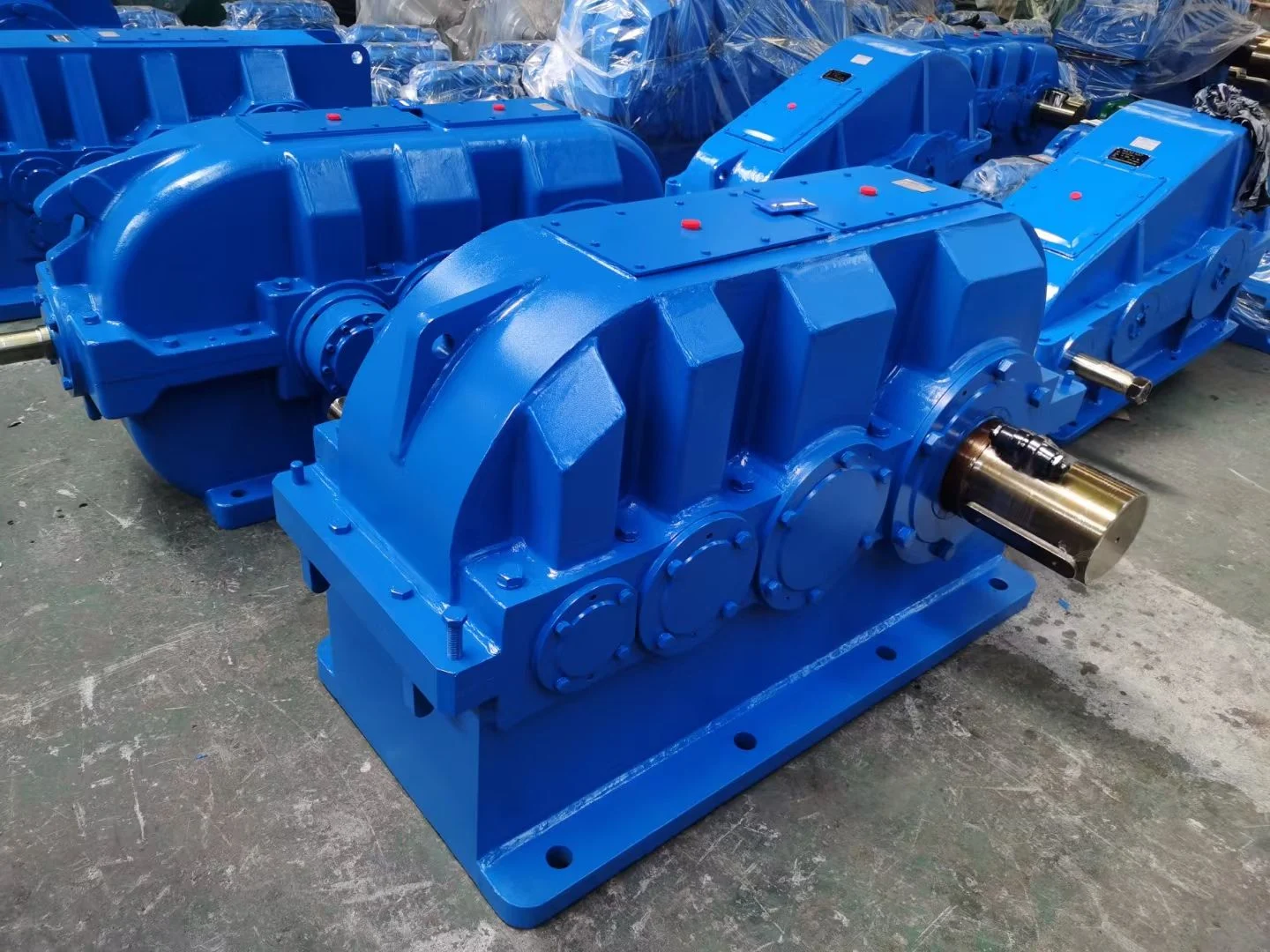
2.2 Gearbox (Reducer)
The gearbox reduces motor speed while increasing output torque.
This allows the hoist to lift heavy loads safely and steadily.
Heavy-duty hoists usually use:
- Helical gear reducers
- Planetary gearboxes
- Hardened gear systems
2.3 Brake System
The brake system prevents unintended load movement.
Most crane hoists use:
- Electromagnetic brakes
- Hydraulic brakes
- Fail-safe normally closed brakes
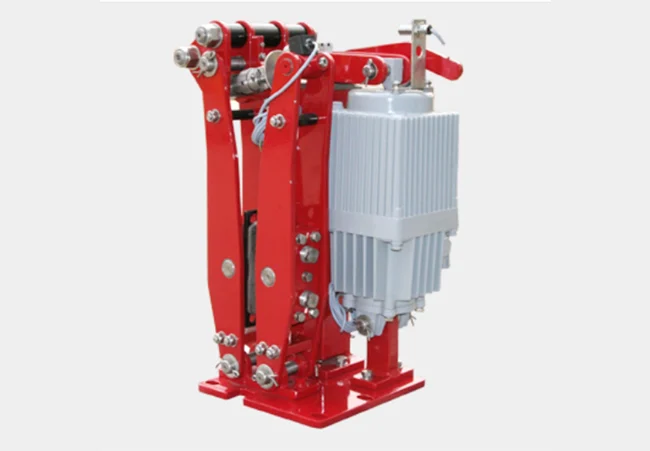
👉 During power failure, the brake automatically engages to hold the suspended load securely.
2.4 Drum or Chain Wheel
The drum or chain wheel transfers lifting motion.
Wire Rope Hoists
Use a drum to wind and unwind steel wire rope.
Chain Hoists
Use a chain wheel to drive load chain movement.
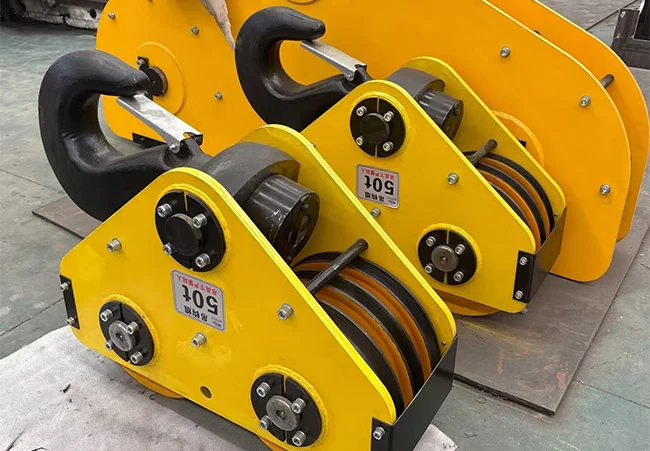
2.5 Hook Assembly
The hook assembly connects the hoist to the load.
Industrial hooks often include:
- Safety latches
- Swivel mechanisms
- Forged alloy steel structures
3. Main Types of Crane Hoists
Different industrial applications require different hoist designs.
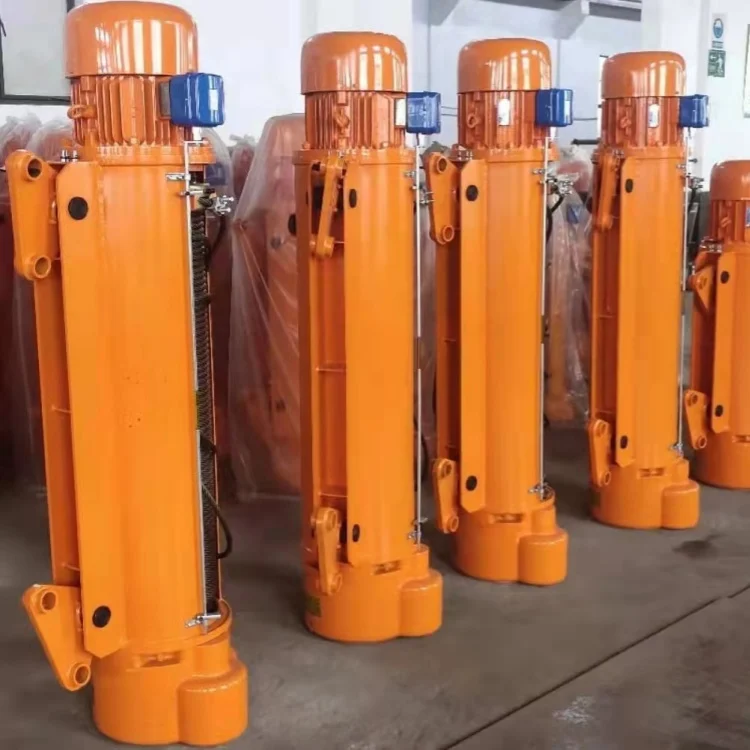
3.1 Wire Rope Electric Hoist
The wire rope electric hoist is the most widely used crane hoist type in heavy industry.
Features
- Large lifting capacity
- High lifting height
- Smooth operation
- Suitable for continuous duty
Typical Capacity
- 5 ton to 80 ton
- Lifting height above 30 meters
Applications
- Steel plants
- Manufacturing facilities
- Warehouses
- Shipyards
- Ports
👉 Wire rope hoists are ideal for heavy-duty lifting operations.
3.2 Electric Chain Hoist
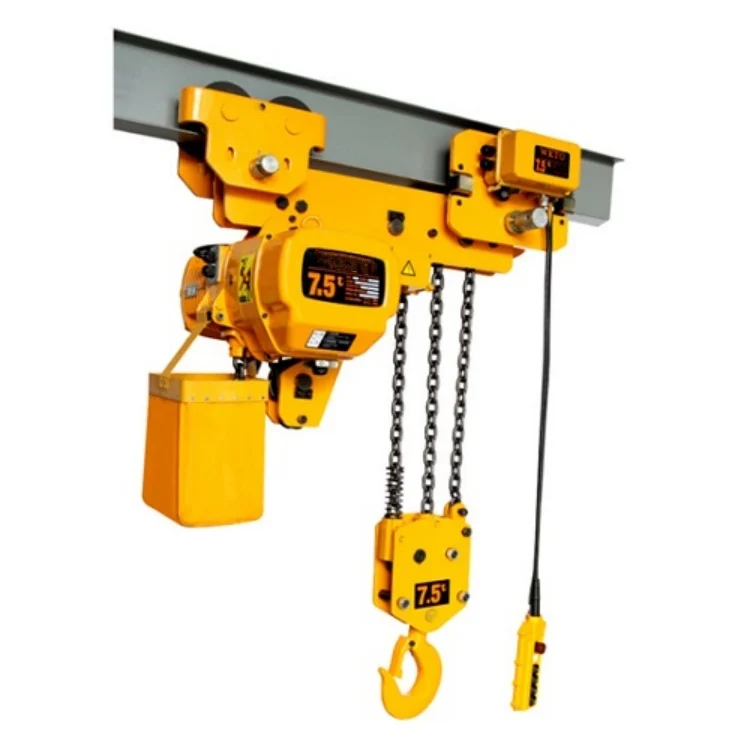
The electric chain hoist uses load chain instead of wire rope.
Features
- Compact structure
- Lightweight design
- Easy installation
- Flexible operation
Typical Capacity
- 5 ton to 60 ton
Applications
- Workshops
- Assembly lines
- Small factories
- Maintenance stations
👉 Chain hoists perform well in limited-space environments.
3.3 Explosion-Proof Hoist
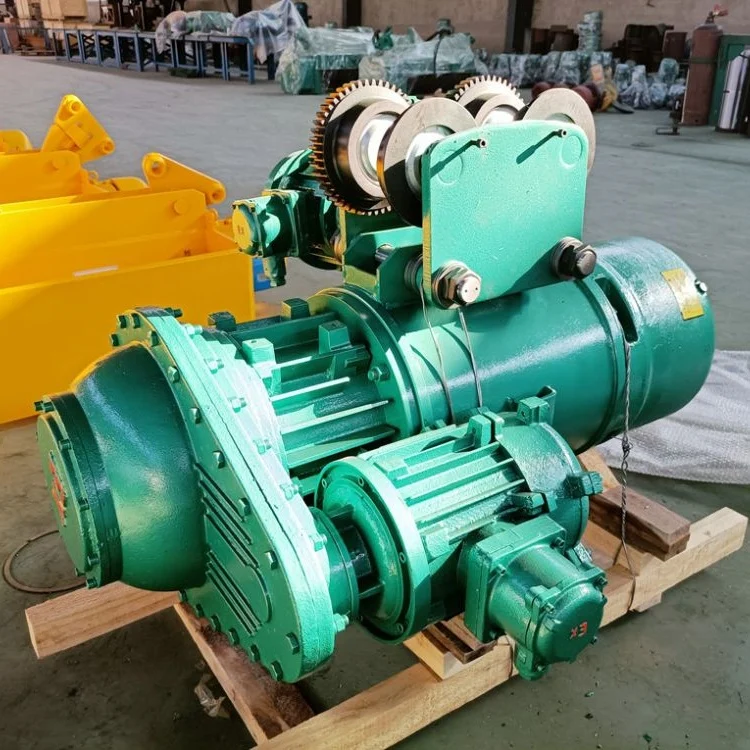
Explosion-proof hoists are designed for hazardous environments.
These hoists meet special explosion protection standards for industries such as:
- Chemical plants
- Oil & gas facilities
- Mining operations
- Paint workshops
Key Features
- Explosion-proof motor
- Spark-resistant components
- Sealed electrical system
Safety certification is critical for these applications.
4. How Does a Crane Hoist Work?
The crane hoist converts electrical energy into lifting motion.
Working Process
- The motor starts rotating.
- The gearbox reduces speed and increases torque.
- The drum or chain wheel rotates.
- The wire rope or chain lifts the hook.
- The brake controls stopping and holding functions.
Additionally, limit switches prevent over-travel during lifting and lowering operations.
👉 Modern hoists often integrate VFD control systems for smoother acceleration and precise positioning.
5. Common Applications of Crane Hoists
Crane hoists are widely used across industrial sectors.
Manufacturing Plants
Used for:
- Machine installation
- Production handling
- Assembly line lifting
Warehouses and Logistics
Used for:
- Cargo movement
- Pallet lifting
- Storage handling
Construction Sites
Used for:
- Material lifting
- Structural assembly
- Equipment installation
Ports and Shipyards
Used for:
- Heavy cargo handling
- Steel plate movement
- Container operations
Mining and Metallurgy
Used for:
- High-temperature material handling
- Heavy equipment maintenance
- Ore transportation
6. How to Choose the Right Crane Hoist
Proper hoist selection improves safety and operational efficiency.
6.1 Lifting Capacity
Select the hoist based on maximum load requirements.
Always include:
- Dynamic load factors
- Future capacity margin
- Safety factor requirements
6.2 Lifting Height
Determine the required hook travel distance.
Long lifting heights may require:
- Larger drums
- Higher rope capacity
- Specialized guide systems
6.3 Duty Cycle
Heavy-duty applications require higher working classifications.
Frequent operation may require:
- Better cooling systems
- Stronger motors
- Enhanced braking systems
6.4 Operating Environment
Environmental conditions strongly affect hoist selection.
Consider:
- Temperature
- Dust
- Humidity
- Corrosive chemicals
- Explosion risk
6.5 Speed Requirements
Modern applications may require:
- Dual-speed lifting
- Variable speed control
- Precision positioning
VFD systems improve load stability and reduce mechanical shock.
7. Crane Hoist Safety Features
Industrial crane hoists include multiple safety protections.
Common Safety Devices
- Overload limiter
- Upper/lower limit switch
- Emergency stop
- Thermal motor protection
- Brake monitoring system
- Slack rope protection
👉 Proper safety devices significantly reduce lifting accidents.
8. Crane Hoist Maintenance Tips
Regular maintenance extends crane hoist service life and reduces downtime.
Daily Inspection
- Check wire rope or chain condition
- Observe abnormal noise
- Inspect hook deformation
- Verify brake performance
Weekly Inspection
- Lubricate moving parts
- Check electrical connections
- Inspect gearbox leakage
- Test limit switches
Monthly Maintenance
- Measure brake wear
- Inspect drum grooves
- Check motor temperature
- Verify structural bolts
👉 Preventive maintenance helps avoid unexpected hoist failure.
9. Common Crane Hoist Problems
Overheating
Causes
- Overloading
- Poor ventilation
- Continuous duty operation
Solutions
- Reduce operating cycle
- Improve cooling
- Verify load rating
Brake Failure
Causes
- Worn brake lining
- Incorrect adjustment
- Oil contamination
Solutions
- Replace brake pads
- Clean friction surfaces
- Adjust brake clearance
Wire Rope Damage
Causes
- Poor winding
- Sheave misalignment
- Lack of lubrication
Solutions
- Re-align sheaves
- Lubricate rope regularly
- Replace damaged rope
10. Why Choose Hanko Crane Hoists?
At Hanko, we provide reliable crane hoist solutions for industrial lifting systems.
Our products include:
- Wire rope hoists
- Electric chain hoists
- Explosion-proof hoists
- Hoist trolleys
- Hoist motors
- Brake assemblies
- Hoist spare parts
Moreover, our engineering team supports customers with:
- Hoist selection
- System upgrades
- Technical troubleshooting
- OEM replacement solutions
- Custom lifting configurations
Need a Reliable Crane Hoist Solution?
Looking for a high-performance crane hoist for your lifting system?
Hanko Can Help You:
✅ Select the correct hoist type
✅ Improve lifting efficiency
✅ Reduce maintenance downtime
✅ Upgrade outdated hoisting systems
✅ Meet industrial safety standards
👉 Contact Hanko today for professional crane hoist solutions and technical support.
FAQ: Crane Hoist
What is the difference between a hoist and a crane?
A hoist only performs lifting and lowering functions, while a crane combines hoisting and horizontal movement systems.
Which is better: wire rope hoist or chain hoist?
Wire rope hoists are better for heavy-duty lifting and higher lifting heights, while chain hoists are more compact and suitable for smaller applications.
What industries use crane hoists?
Industries include manufacturing, logistics, construction, steel plants, mining, ports, and warehouses.
How often should crane hoists be inspected?
Operators should perform daily visual inspections and scheduled weekly and monthly maintenance checks.
What safety devices are required for a crane hoist?
Common safety devices include overload protection, emergency stop systems, limit switches, and fail-safe brakes.
Related Articles
- Crane Brake System Explained
- Wire Rope Failure Analysis in Crane Systems
- Crane Maintenance Checklist: Daily, Weekly & Monthly Guide
- How to Choose the Right Crane Gearbox
- Heavy Duty Crane Wheel Guide for Industrial Applications
- How to Extend Crane Service Life: Practical Tips
Conclusion
The crane hoist is the core lifting mechanism in modern crane systems.
By understanding hoist types, working principles, safety systems, and maintenance requirements, industrial operators can improve lifting efficiency, reduce downtime, and enhance workplace safety.
Ultimately, selecting the right crane hoist ensures:
- Safer lifting operations
- Better load control
- Longer equipment life
- Lower maintenance costs
- Higher operational productivity
For demanding industrial applications, investing in a high-quality crane hoist system is essential for long-term reliability and performance.

 English
  Korean
  Russian
  Spanish
  Malay
Malay  Afrikaans
  Bulgarian
  French
  Bengali
  Italian
  Hungarian
  Vietnamese
  Thai
Thai  Indonesian
  German
  Arabic
  Japanese