Featured Snippet
What are the most common crane hook failures?
The most common crane hook failures include:
- Hook fracture or deformation due to overload
- Load slipping from improper rigging
- Hook collision (two-blocking)
- Uncontrolled swinging or rotation
- Mismatch between hook and rigging
These failures can lead to severe accidents, including dropped loads, equipment damage, and injuries.
Introduction
Crane hooks are critical load-bearing components in lifting systems. Despite their simple appearance, failures can result in catastrophic consequences. Understanding crane hook failure mechanisms is essential for improving safety, compliance, and operational reliability.
This guide breaks down the most frequent crane hook failures, their causes, and practical prevention strategies.
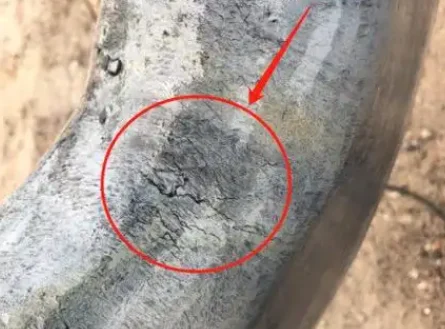
1. Hook Fracture or Deformation
Causes:
- Overloading beyond rated capacity
- Material defects or poor heat treatment
- Fatigue cracks from long-term use
- Excessive wear (especially at the throat)
Risks:
- Sudden load drop
- Fatal injuries and major equipment damage
Prevention:
- Replace hook when wear exceeds 10%(or 5% for molten metal lifting)
- Conduct NDT inspections (magnetic particle or ultrasonic)
- Use overload protection systems
2. Load Slipping or Falling
Causes:
- Improper rigging or unstable center of gravity
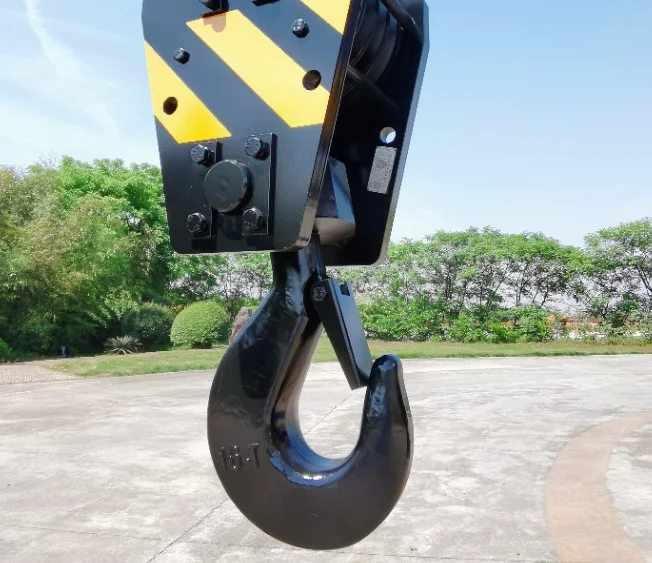
- Missing or damaged safety latch
- Sudden crane movements
Risks:
- Falling loads causing injuries
- Secondary collisions
Prevention:
- Always use hooks with safety latches
- Ensure proper sling angles (<60° recommended)
- Follow standard rigging procedures
3. Two-Blocking (Hook Collision)
Causes:
- Failure of hoist limit switch
- Operator error
Risks:
- Wire rope damage or breakage
- Sheave and drum damage
Prevention:
- Install dual limit switches
- Use anti-two-block devices
- Train operators on height awareness
4. Uncontrolled Swing or Rotation
Causes:
- Wind (outdoor cranes)
- No use of spreader beams
- Sudden acceleration or braking
Risks:
- Load hitting workers or structures
- Loss of control
Prevention:
- Use taglines and guide ropes
- Apply smooth operation controls
- Use spreader beams for long loads
5. Mismatch Between Hook and Rigging
Causes:
- Incorrect sling or shackle size
- Excessive sling angle (>120°)
- Non-standard rigging components
Risks:
- Uneven stress distribution
- Hook deformation or sling failure
Prevention:
- Match hook capacity with rigging gear
- Maintain proper sling angle (≤60° ideal)
- Use certified lifting accessories
Gancho de grúa Failure Summary Table
| Failure Type | Main Cause | Risk Level | Prevention Method |
| Hook fracture | Overload, fatigue | High | Regular inspection, load control |
| Load slipping | Poor rigging | High | Use safety latch, proper slinging |
| Two-blocking | Limit switch failure | High | Install anti-two-block device |
| Swing/rotation | Wind, imbalance | Medium | Use taglines, control movement |
| Rigging mismatch | Wrong equipment selection | High | Proper sizing and angle control |
- Crane Safety Components List→ crane safety components
- Overhead Crane vs Gantry Crane→ crane types comparison
- How to Choose the Right Crane Drum→ crane drum selection
- How to Determine Crane Sheave Size→ crane sheave size calculation
- Wire Rope Selection Guide→ crane wire rope selection
Best Practices for Preventing Crane Hook Failure
- Perform routine inspections before every shift
- Never exceed rated load capacity
- Replace hooks showing cracks or deformation
- Ensure all hooks have functional safety latches
- Train operators and riggers regularly
- Stop operations in extreme weather conditions
Conclusion
Crane hook failures are often preventable with proper inspection, correct rigging, and adherence to safety standards. By understanding these common failure modes, operators and maintenance teams can significantly reduce risk and improve lifting safety.
To further help operators and engineers, here are answers to common crane hook safety questions.
FAQ:
What is the most common cause of crane hook failure?
The most common cause of crane hook failure is overloading beyond the rated capacity. In addition, long-term fatigue, material defects, and improper rigging can significantly increase failure risk.
When should a crane hook be replaced?
A crane hook should be replaced immediately if:
- Wear exceeds 10% of the original dimension
- Any crack is detected
- The hook opening increases by 15% or more
- Permanent deformation or twisting occurs
For high-risk applications such as molten metal lifting, stricter limits (e.g., 5% wear) are recommended.
How do you inspect a crane hook for safety?
Crane hook inspection typically includes:
- Visual inspection for cracks, deformation, and wear
- Measurement of throat opening and critical sections
- Non-destructive testing (NDT), such as magnetic particle or ultrasonic testing
Regular inspections should be conducted daily (visual) and periodically (NDT).
Why is a safety latch important on a crane hook?
A safety latch prevents slings or rigging from slipping out of the hook during lifting. Without it, sudden movement, vibration, or load shifting can cause the load to fall, leading to serious accidents.
What is two-blocking in crane operations?
Two-blocking occurs when the crane hook contacts the sheave or boom tip due to over-hoisting. This can damage the wire rope, drum, and hook assembly, and may lead to equipment failure or load drop.
Can a damaged crane hook be repaired by welding?
No. Welding or repairing a crane hook is strictly prohibited. High temperatures during welding alter the material structure, reduce strength, and create hidden stress points, increasing the risk of sudden failure.
How can crane hook failures be prevented?
To prevent crane hook failures:
- Follow proper load limits
- Use correct rigging techniques
- Perform regular inspections
- Replace damaged hooks immediately
- Ensure all hooks have functional safety latches
What are the signs of crane hook fatigue?
Common signs include:
- Small surface cracks
- Increased hook opening
- Uneven wear at the throat
- Visible deformation
Fatigue damage develops over time and should be addressed early to avoid sudden failure.
 English
  Korean
  Russian
  Spanish
  Malay
Malay