
Introducción
Crane hooks are among the most critical load-bearing components in any lifting system. While previous guides focus on types and failure phenomena, this article goes deeper into why crane hooks fail, analyzing root causes from engineering, operation, and maintenance perspectives.
Understanding these causes is essential not only for safety—but also for reducing downtime, preventing costly damage, and extending equipment lifespan.
What Causes Crane Hooks to Fail?
Crane hooks fail mainly due to overloading, material defects, wear and fatigue, improper rigging, operational errors, and lack of inspection, leading to deformation, cracking, or sudden breakage.
6 Root Causes of Crane Hook Failure
1. Overloading Beyond Rated Capacity
Why it happens:
- Exceeding safe working load (SWL)
- Miscalculated load weight
- Dynamic impact during lifting
Failure mechanism:
- Plastic deformation
- Internal stress concentration
- Sudden fracture
Solution:
- Install load monitoring systems
- Enforce strict load limits
- Avoid shock loading
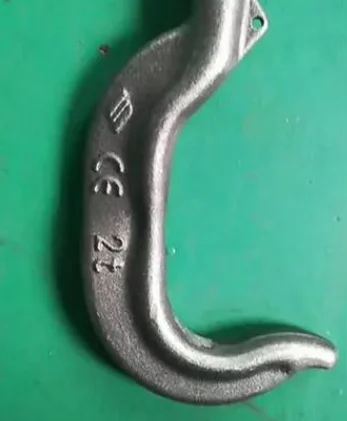
2. Material Defects and Poor Manufacturing
Why it happens:
- Substandard raw materials
- Improper heat treatment
- Internal inclusions or voids
Failure mechanism:
- Reduced tensile strength
- Brittle fracture under load
Solution:
- Use certified forged hooks
- Verify material reports (MTC)
- Choose trusted suppliers
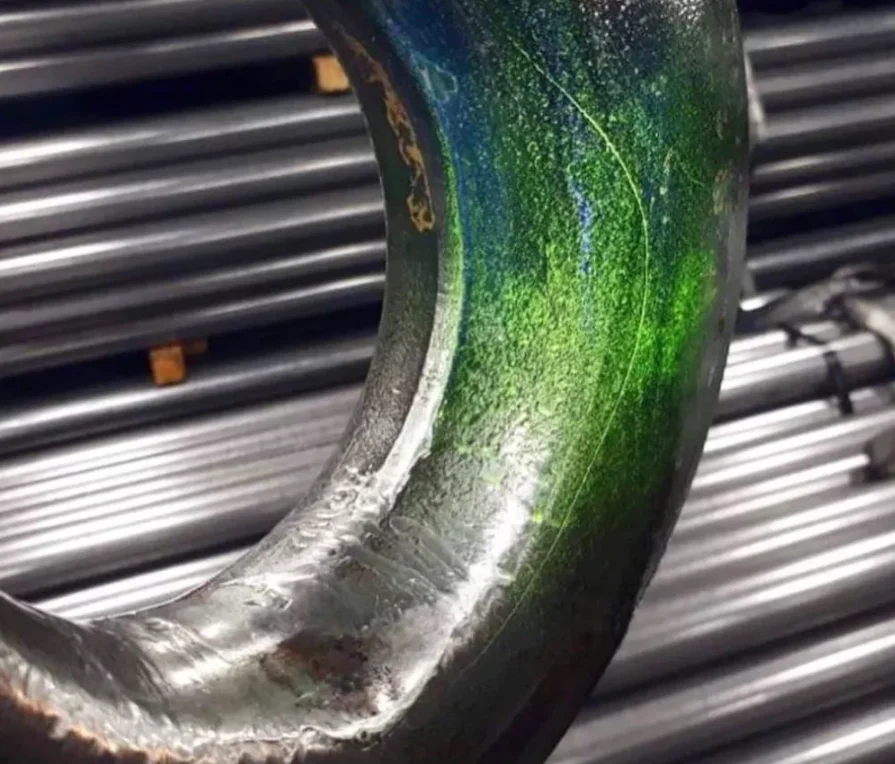
3. Wear, Fatigue, and Crack Propagation
Why it happens:
- Long-term cyclic loading
- Surface wear at critical sections
- Lack of inspection
Failure mechanism:
- Micro-cracks → crack growth → failure
Key indicator:
- Hook opening increases >10%
Solution:
- Regular NDT inspection
- Replace worn hooks early
- Monitor critical stress zones
4. Load Slippage Due to Improper Rigging
Why it happens:
- Incorrect sling angle (>120°)
- Unbalanced load center
- Incompatible rigging gear
Failure mechanism:
- Sudden load shift
- Impact force on hook
Solution:
- Keep sling angle ≤60°
- Use proper shackles and slings
- Ensure load stability
5. Lack of Safety Devices
Why it happens:
- Pestillo de seguridad faltante o dañado
- Poor maintenance
Failure mechanism:
- Sling disengagement
- Load dropping
Solution:
- Install spring-loaded safety latch
- Inspect locking mechanisms regularly
6. Operational and Environmental Factors
Why it happens:
- Sudden acceleration/deceleration
- Strong wind (outdoor cranes)
- Unsafe working conditions
Failure mechanism:
- Swinging loads
- Side loading (very dangerous)
Solution:
- Train certified operators
- Stop operation in extreme weather
- Use tag lines for control
Common Failure Modes vs Root Causes
|
Failure Mode |
Root Cause | Nivel de riesgo |
Action |
|
Fractura de gancho |
Overload / material defect | Critical |
Immediate replacement |
|
Hook deformation |
Fatigue / overload | Alto |
Remove from service |
|
Load dropping |
Rigging error / latch failure | Critical |
Improve rigging |
|
Crack formation |
Wear / poor inspection | Alto |
NDT inspection |
|
Hook opening increase |
Long-term stress | Mediano |
Replace if >10% |
Key Warning Signs You Should Never Ignore
- Visible cracks on hook surface
- Hook throat opening increase (>10%)
- Uneven wear at critical sections
- Bent or twisted hook shape
- Pestillo de seguridad faltante o dañado
👉 If any of these appear, stop using the hook immediately.
Engineering Best Practices to Prevent Crane Hook Failure
1. Follow Inspection Standards
- Daily visual checks
- Periodic NDT testing
- Follow ISO / GB inspection standards
2. Use Correct Hook Type for Application
- Single hook vs double hook
- Forged vs laminated hook
- Heavy-duty vs general-purpose
3. Ensure Proper Load Handling
- Balanced lifting
- Controlled (no shock load)
- Correct rigging geometry
4. Replace Instead of Repair
- Never weld or repair cracked hooks
- Always replace defective hooks
Related Articles
- Fallos comunes del gancho de grúa
- Types of Crane Hooks
- Lista de componentes de seguridad para grúas
- Wire Rope in Crane Systems
- Crane Spare Parts List
Related Products (Recommended)
👉 Using matched, high-quality lifting components significantly reduces hook failure risks.
Looking for high-quality, safety-certified crane hooks?
Hanko Crane Parts provides:
- Forged crane hooks with strict quality control
- Custom hook solutions for heavy-duty applications
- Fast delivery and competitive pricing
📩 Contact us today for expert support and quotations
🔗 https://www.hankocraneparts.com/contact-us/
FAQ
Why do crane hooks break suddenly?
Crane hooks usually break due to overload, internal material defects, or unnoticed fatigue cracks.
How much hook deformation is allowed?
If the hook opening increases by more than 10%, it must be replaced immediately.
Can a damaged crane hook be repaired?
No. Welding or repairing crane hooks is unsafe—replacement is mandatory.
¿Cuál es la causa más común de fallo en un gancho de grúa?
Overloading and lack of inspection are the most common causes.
How often should crane hooks be inspected?
Hooks should be visually inspected daily and undergo periodic detailed inspections.

 English
  Korean
  Russian
  Spanish
  Malay
Malay  Afrikaans
  Bulgarian
  French
  Bengali
  Italian
  Hungarian
  Vietnamese
  Thai
Thai  Indonesian
  German
  Arabic
  Japanese