
Featured Snippet
What is the best crane wheel material?
The best crane wheel material depends on working conditions:
- Carbon steel (60#, 65#):suitable for light-duty applications
- Manganese steel (65Mn):balanced strength and wear resistance
- Alloy steel (42CrMo):ideal for heavy-duty and high-impact environments
Material selection should match load, speed, and operating environment.
Introduction
Crane wheels are critical load-bearing components that directly influence crane safety, stability, and service life. Selecting the right crane wheel material is not just about strength—it requires a balance between hardness, wear resistance, and toughness.
This guide explains material types, heat treatment differences, and how to choose the optimal solution for your application.
1. Common Crane Wheel Materials
1.1 Carbon Steel (60#, 65#)
Characteristics:
- High carbon content
- High surface hardness after quenching
- Lower toughness
Best for:
- Light load cranes
- Low-speed operations
Limitations:
- Shallow hardening depth
- Higher risk of cracking under impact
1.2 Manganese Steel (60Mn, 65Mn)
Characteristics:
- Improved hardenability due to manganese
- Uniform hardness distribution
- Good strength and fatigue resistance
Best for:
- Medium-duty cranes
- Frequent operation conditions
Advantages:
- Better balance of hardness and toughness
- Cost-effective upgrade from carbon steel
1.3 Alloy Steel (42CrMo, 40CrNiMo)
Characteristics:
- Contains chromium, molybdenum, nickel
- High strength and excellent toughness
- Deep hardening capability
Best for:
- Heavy-duty cranes
- High-speed or high-impact environments
- Harsh conditions (e.g., metallurgy, ports)
Advantages:
- Superior fatigue resistance
- Long service life
- Reduced risk of deformation or fracture
2. Heat Treatment Differences (Core Performance Factor)
Material performance is heavily influenced by heat treatment processes.
Comparison Table
| Material Type | Quenching Temp | Cooling Method | Tempering Temp | Key Performance |
| Carbon Steel | 780–820°C | Water/Brine | 150–250°C | High hardness, low toughness |
| Manganese Steel | 810–830°C | Oil | 350–450°C | Balanced strength & toughness |
| Alloy Steel | 840–860°C | Oil | Flexible (medium/high) | High strength + high toughness |
Key Differences Explained
Hardenability
- Carbon steel: low → requires rapid cooling (risk of cracks)
- Alloy steel: high → allows oil quenching with less distortion
Strength vs Toughness
- Carbon steel: hard but brittle
- Alloy steel: strong and tough
Performance Stability
- Alloy steel provides uniform properties from surface to core
3. How to Choose the Right Crane Wheel Material
3.1 Based on Load and Duty Class
| Working Condition | Recommended Material |
| Light duty (A1–A3) | 60#, 65# |
| Medium duty (A4–A6) | 65Mn or 42CrMo |
| Heavy duty / impact | 42CrMo or higher alloy steel |
3.2 Based on Wheel Size
- Large wheels require high hardenability materials
- Carbon steel may not harden fully in thick sections
- Choose manganese or alloy steel for large diameters
3.3 Based on Environment
| Environment | Recommended Material |
| Indoor, mild | Carbon or Mn steel |
| Outdoor, high load | Mn or alloy steel |
| Harsh / high temperature | Alloy steel (42CrMo) |
3.4 Cost vs Lifecycle
- Carbon steel: low initial cost, shorter lifespan
- Alloy steel: higher upfront cost, lower long-term cost
👉 Conclusion: Always optimize for total lifecycle cost, not purchase price.
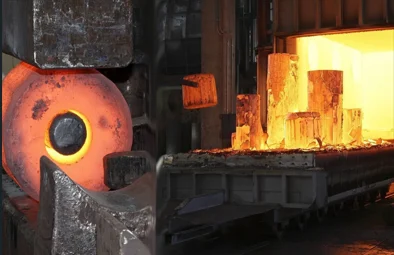
4. Forged vs Cast Crane Wheels
Forged Wheels
- Higher strength
- Better impact resistance
- Longer lifespan
- Ideal for heavy-duty cranes
Cast Wheels
- Lower cost
- Flexible design
- Lower mechanical performance
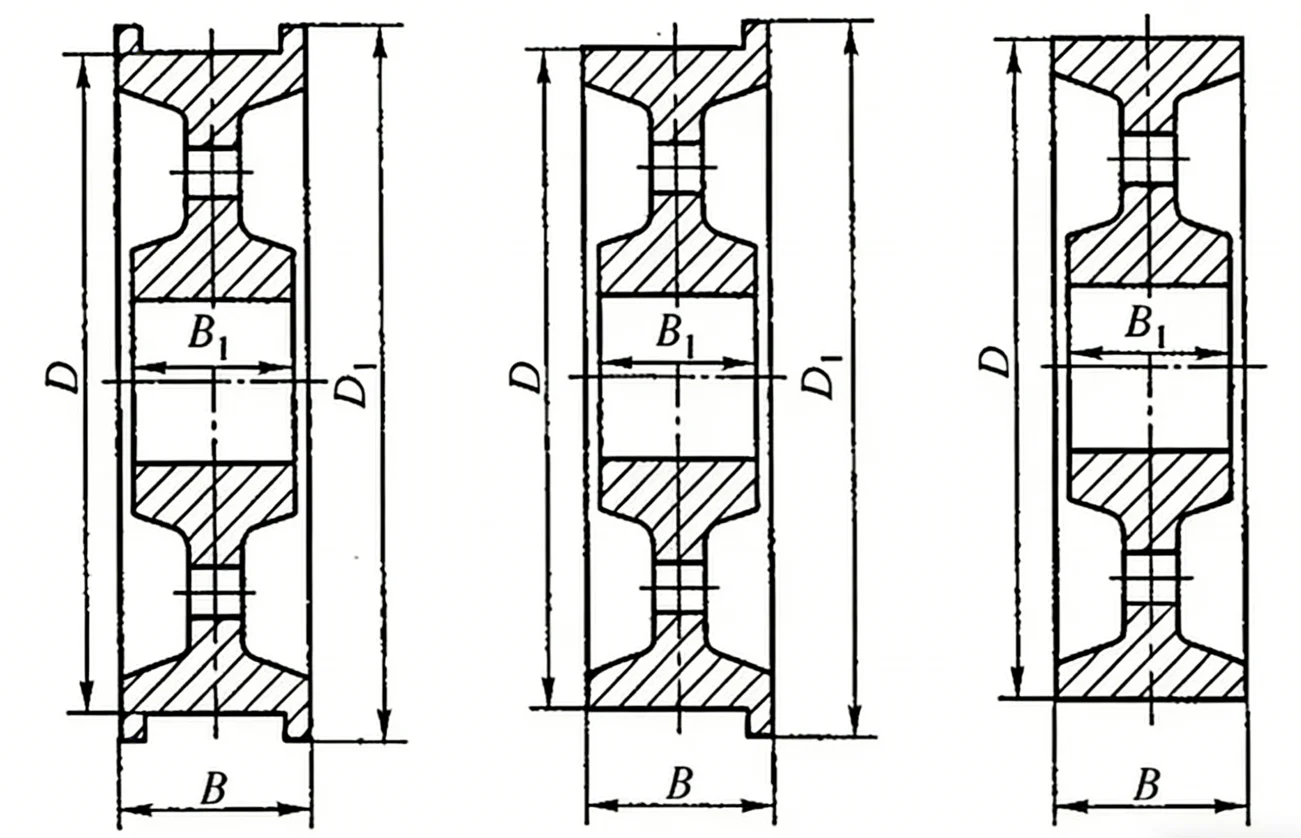
5. Crane Wheel Types (Quick Overview)
By Flange:
- Double flange (most common for stability)
- Single flange
- Flangeless (requires guide rollers)
By Tread:
- Cylindrical
- Conical (better alignment)
- Crowned
Conclusion
Choosing the right crane wheel material is a critical engineering decision. Instead of simply selecting the strongest material, the key is to match material properties with working conditions, load requirements, and environmental factors.
A well-selected and properly heat-treated crane wheel ensures:
- Higher safety
- Longer service life
- Lower maintenance cost
FAQ: Crane Wheel Material Selection
1. What is the most commonly used crane wheel material?
The most commonly used crane wheel materials are 65Mn and 42CrMo.
- 65Mn offers a good balance of hardness and toughness for medium-duty applications
- 42CrMo is preferred for heavy-duty and high-impact environments due to its superior strength and fatigue resistance
2. How do I choose the right crane wheel material?
You should select crane wheel material based on:
- Load capacity (light, medium, heavy duty)
- Operating speed
- Working environment (indoor, outdoor, high temperature)
- Wheel size and required hardening depth
For heavy-duty applications, alloy steel like 42CrMo is recommended.
3. Why is heat treatment important for crane wheels?
Heat treatment determines the final mechanical properties of crane wheels, including:
- Hardness (wear resistance)
- Toughness (impact resistance)
- Strength (load capacity)
Proper heat treatment ensures longer service life and reduces failure risks.
4. What is the difference between forged and cast crane wheels?
- Forged wheels:higher strength, better durability, ideal for heavy-duty use
- Cast wheels:lower cost, suitable for light-duty applications
Forged crane wheels are generally preferred for industrial and high-load environments.
5. What material is best for heavy-duty crane wheels?
For heavy-duty cranes, 42CrMo alloy steel is the best choice because it offers:
- High strength
- Excellent toughness
- Deep hardening capability
- Strong resistance to fatigue and impact
6. Can carbon steel crane wheels be used for heavy loads?
Carbon steel wheels (like 60# or 65#) are not recommended for heavy loads because:
- They have lower toughness
- Limited hardening depth
- Higher risk of cracking under stress
They are better suited for light-duty applications.
7. How does wheel size affect material selection?
Larger crane wheels require materials with better hardenability.
If carbon steel is used for large wheels, the core may remain soft, reducing performance.
In such cases, manganese steel or alloy steel is a better choice.
8. What are the signs of crane wheel material failure?
Common signs include:
- Surface wear or pitting
- Cracks or deformation
- Flange damage
- Uneven tread wear
Regular inspection is essential to detect these issues early.
9. Is 65Mn better than 65# steel for crane wheels?
Yes, 65Mn is generally better than 65# steel because:
- It has higher hardenability
- Provides more uniform mechanical properties
- Offers better fatigue resistance
10. How can I extend the lifespan of crane wheels?
To extend crane wheel life:
- Choose the correct material and heat treatment
- Ensure proper rail alignment
- Avoid overloading
- Perform regular inspections and maintenance
Need High-Quality Crane Wheels?
At Hanko Heavy Industry, we supply forged crane wheels in 65Mn, 42CrMo, and other premium materials with optimized heat treatment.
👉 Contact us now for expert material selection support
👉 Get durable, cost-effective solutions tailored to your crane system
- Hanko provides high-quality crane components including:
 Contact our team for specifications and quotations.
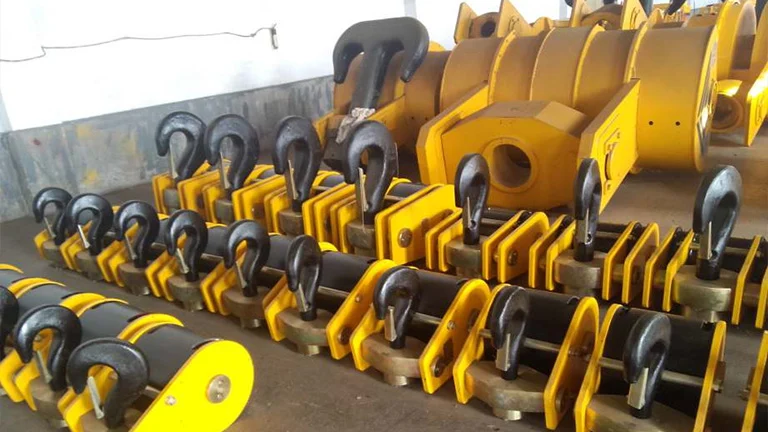
To better understand crane lifting systems, you may also read our guide on crane drum, crane sheave, and crane hook types.
 English
  Korean
  Russian
  Spanish
  Malay
Malay