
Introduction
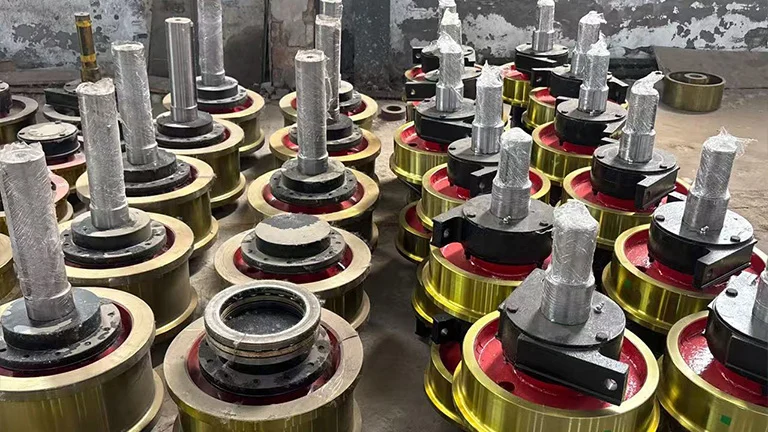
A heavy duty crane wheel plays a critical role in the traveling mechanism of overhead cranes, gantry cranes, and industrial lifting systems.
In demanding environments such as steel plants, ports, and infrastructure projects, crane wheels must withstand high loads, continuous operation, and harsh conditions.
Therefore, understanding their structure, specifications, and performance requirements is essential for selecting the right solution and ensuring long-term reliability.
Featured Snippet
What is a heavy duty crane wheel?
A heavy duty crane wheel is a load-bearing component used in crane traveling systems. It is designed with high-strength materials, heat-treated surfaces, and precise tolerances to ensure safe, stable operation under heavy loads and continuous use.
1. Basic Structure and Wheel Types
First, crane wheels are classified based on flange design and tread shape.
Flange Types
- Double flange (SL)→ Used for crane traveling mechanisms, prevents derailment
- Single flange (DL)→ Common for trolley systems, flange positioned outside the rail
- Flangeless (WL)→ Used with guide wheels, suitable for rotating mechanisms
👉 Double flange wheels are the most widely used in heavy-duty applications due to their stability.
Tread Shapes
- Cylindrical tread→ General-purpose and widely used
- Conical tread (1:10 taper)→ Reduces rail gnawing, ideal for centralized drive systems
- Crowned tread→ Suitable for curved tracks or reducing additional resistance
As a result, selecting the correct tread design helps extend wheel and rail lifespan.
2. Dimensions and Specifications
Heavy duty crane wheels come in a wide range of sizes depending on load requirements.
Typical Range
- Diameter: 100 mm – 1250 mm
- Width: 80 mm – 220 mm
For example:
Large gantry cranes often use wheels with:
- Diameter: 710 mm
- Width: 155 mm
Rail Matching Standards
Crane wheels must match rail types
Proper matching ensures:
- Stable operation
- Reduced wear
- Improved safety
3. Materials and Manufacturing Process
Material selection directly affects the durability and performance of a heavy duty crane wheel.
Common Materials
- Alloy steel: 42CrMo, 65Mn
- Cast steel: ZG340-640
These materials provide:
- High strength
- Wear resistance
- Fatigue resistance
Manufacturing Methods
- Forged wheels→ Highest strength, ideal for heavy loads
- Rolled wheels→ Cost-effective for medium-duty use
- Cast wheels→ Require heat treatment and stress relief
👉 At Hanko, manufacturing methods are selected based on application requirements to balance cost and performance.
4. Technical Requirements and Performance
To ensure safe operation, crane wheels must meet strict technical standards.
Heat Treatment
- Surface hardness: 300–380 HBW
- Hardened layer depth:
- ≥15 mm for diameter >400 mm
This improves wear resistance and service life.
Tolerance and Precision
- Tread diameter tolerance: ≥ H9
- Bore tolerance: ≥ H7
High precision ensures proper alignment with rails and bearings.
Surface Quality
- No cracks, pores, or defects
- Roughness:
- Tread: Ra ≤ 6.3 μm
- Bore: Ra ≤ 3.2 μm
5. Installation Requirements
Correct installation is essential for performance and longevity.
Key Points:
- Rail alignment deviation ≤ ±5 mm
- Parallelism and center distance must meet standards
Improper installation may lead to:
- Rail gnawing
- Uneven wear
- Premature failure
6. Maintenance and Replacement Standards
Regular inspection significantly reduces downtime.
Replace the wheel when:
- Flange wear reaches 50%of original thickness
- Tread wear reaches 15%
- Roundness exceeds limits:
- ≥1 mm (low speed)
- ≥0.1 mm (high speed)
👉 Preventive maintenance always costs less than emergency replacement.
7. Selection Tips for Industrial Buyers
To select the right heavy duty crane wheel, consider:
- Wheel load (wheel pressure)
- Rail type and working conditions
- Operating speed
- Duty classification
Additionally, avoid over-specification, which can unnecessarily increase costs.
Conclusion
A heavy duty crane wheel is not just a mechanical component—it directly affects crane safety, efficiency, and maintenance costs.
By understanding structure, materials, and technical requirements, buyers can:
- Improve equipment reliability
- Reduce operational risks
- Optimize long-term investment
FAQ
1. What material is best for heavy duty crane wheels?
Alloy steels like 42CrMo are commonly used due to their high strength and wear resistance.
2. What is the difference between forged and cast crane wheels?
Forged wheels offer higher strength and durability, while cast wheels are more cost-effective but less robust.
3. How long do crane wheels last?
Service life depends on load, environment, and maintenance, but high-quality wheels can last several years under proper conditions.
4. How do I know when to replace a crane wheel?
Replace when wear exceeds limits (flange 50%, tread 15%) or when deformation affects operation.
5. Can crane wheels be customized?
Yes, manufacturers like Hanko provide custom designs based on drawings and application requirements.
Related Articles
- Crane Parts Supplier Guide– Learn how to select a reliable supplier for your crane parts.
- Crane Maintenance Checklist: Daily, Weekly & Monthly Guide– Maintain your crane with our essential maintenance tips.
- How to Choose the Right Crane Gearbox– Discover the factors influencing gearbox selection for your crane.
Recommended Crane Components
Hanko provides high-quality crane components designed for industrial lifting systems, including:
Our crane parts are widely used in overhead cranes, gantry cranes, and hoisting equipment.
👉 Contact our team for specifications and quotations.
Looking for Reliable Heavy Duty Crane Wheels?
At Hanko, we provide:
- Forged and cast crane wheels
- Custom sizes and materials
- Strict quality inspection and heat treatment
- Fast response for global markets
👉 Contact us now to get a professional solution and quotation for your crane system.

 English
  Korean
  Russian
  Spanish
  Malay
Malay  Afrikaans
  Bulgarian
  French
  Bengali
  Italian
  Hungarian
  Vietnamese
  Thai
Thai  Indonesian
  German
  Arabic
  Japanese