
Featured Snippet: How Can You Extend Crane Brake Service Life?
The most effective ways to extend crane brake service life include:
- Selecting the correct brake type for the application
- Avoiding overloads and excessive emergency stops
- Performing regular crane brake maintenance
- Keeping brake surfaces clean and properly adjusted
- Replacing worn brake linings before failure occurs
- Monitoring brake performance through routine inspections
- Protecting brakes from dust, moisture, and extreme temperatures
By implementing these preventive maintenance practices, operators can significantly reduce brake wear, improve crane safety, and lower long-term operating costs.
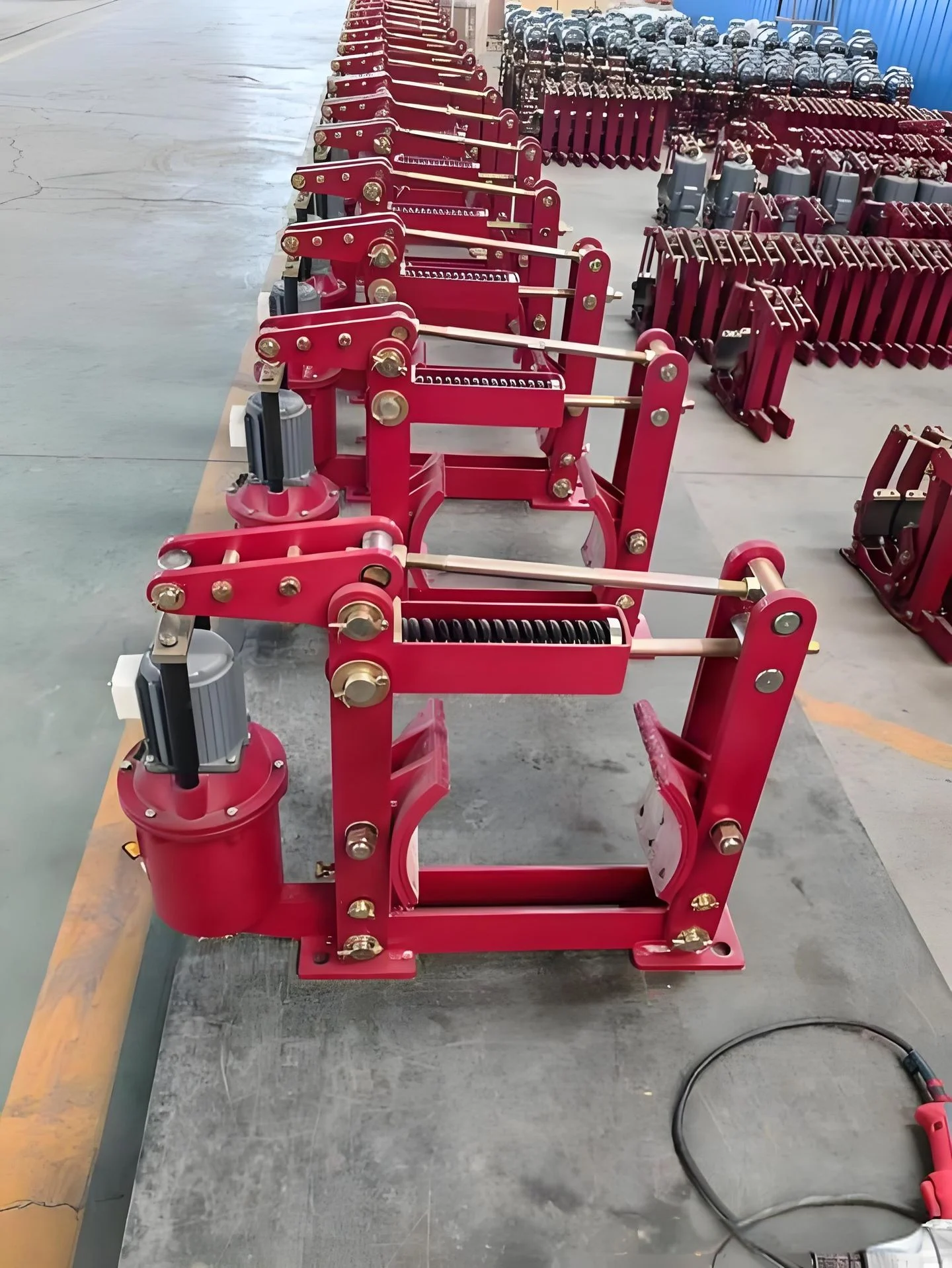
Why Crane Brake Service Life Matters
The crane brake system is one of the most critical safety components in any lifting operation. Whether installed on overhead cranes, gantry cranes, jib cranes, or hoists, brakes control load movement, prevent uncontrolled motion, and secure suspended loads during operation.
When brake components wear prematurely, companies face:
- Increased downtime
- Higher maintenance costs
- Reduced lifting efficiency
- Safety risks for personnel and equipment
- Unexpected production interruptions
Therefore, a proactive crane brake maintenance program is essential for maximizing equipment reliability and service life.
Common Causes of Premature Crane Brake Wear
Before discussing solutions, it is important to understand why crane brakes fail early.
1. Frequent Start-and-Stop Operations
Heavy-duty cranes often perform repetitive lifting cycles. Excessive braking generates heat and accelerates friction material wear.
Common signs include:
- Glazed brake linings
- Reduced braking force
- Increased brake temperature
Smooth operation can significantly reduce these effects.
2. Overloading the Crane
Operating beyond the crane’s rated capacity forces the brake system to absorb higher loads than designed.
Consequences include:
- Accelerated lining wear
- Brake drum damage
- Spring fatigue
- Reduced safety margins
Always follow manufacturer load limits.
3. Incorrect Brake Selection
Many brake failures originate during equipment design.
A brake that is too small may:
- Overheat frequently
- Wear rapidly
- Fail to provide adequate stopping torque
Proper brake sizing should consider:
- Load weight
- Duty cycle
- Operating speed
- Environmental conditions
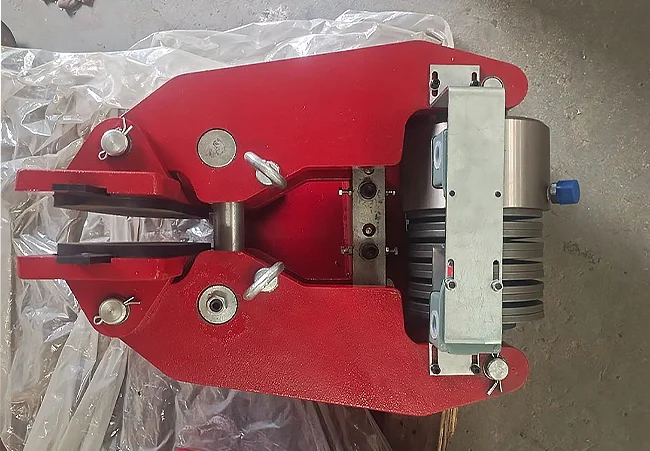
Best Practices for Crane Brake Maintenance
Keep Brake Components Clean
Dust, oil, grease, and moisture can significantly reduce braking efficiency.
Maintenance personnel should regularly clean:
- Brake drums
- Brake discs
- Brake pads
- Brake arms
- Linkage mechanisms
A clean braking surface provides consistent friction and reduces uneven wear.
Regularly Adjust Brake Clearance
Brake clearance directly affects performance.
If the gap is too large:
- Brake response becomes slower
- Stopping distance increases
If the gap is too small:
- Continuous friction occurs
- Heat buildup increases
- Brake components wear faster
Most industrial crane brakes require periodic clearance adjustment according to manufacturer specifications.
Inspect Brake Linings Frequently
Brake linings are consumable wear parts.
Inspect them for:
- Thickness reduction
- Cracks
- Carbonization
- Delamination
- Uneven wear patterns
As a general guideline:
- Riveted linings should be replaced when wear reaches 50% of original thickness.
- Clip-mounted linings should be replaced when wear reaches approximately two-thirds of original thickness.
Timely replacement prevents costly secondary damage.
Lubricate Moving Components
While friction surfaces must remain dry, moving mechanisms require lubrication.
Lubricate:
- Pins
- Hinges
- Pivot points
- Adjustment mechanisms
Proper lubrication minimizes friction and reduces component fatigue.
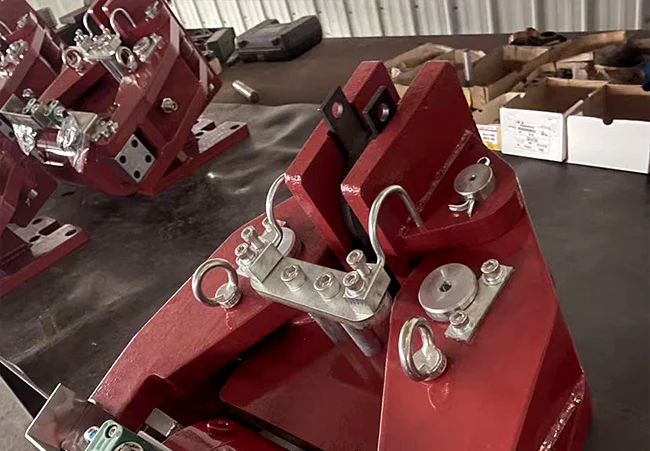
Optimize Operating Practices
Avoid Sudden Emergency Stops
Frequent emergency braking creates excessive thermal stress.
Operators should:
- Use gradual deceleration whenever possible
- Avoid unnecessary rapid stopping
- Follow recommended operating procedures
Smooth braking significantly extends brake component life.
Prevent Excessive Duty Cycles
Continuous operation without sufficient cooling periods can overheat brake assemblies.
For high-duty applications:
- Schedule inspection intervals more frequently
- Monitor brake temperature
- Consider upgraded heavy-duty brake systems
Improve Environmental Protection
Environmental conditions greatly affect brake longevity.
Dust and Debris Protection
Industrial environments such as:
- Steel mills
- Cement plants
- Mining facilities
often expose brakes to abrasive particles.
Installing protective covers helps reduce contamination.
Corrosion Prevention
High humidity and corrosive atmospheres can damage brake components.
Recommended measures include:
- Protective coatings
- Corrosion-resistant materials
- Sealed brake assemblies
- Routine cleaning procedures
These precautions extend brake life in harsh environments.
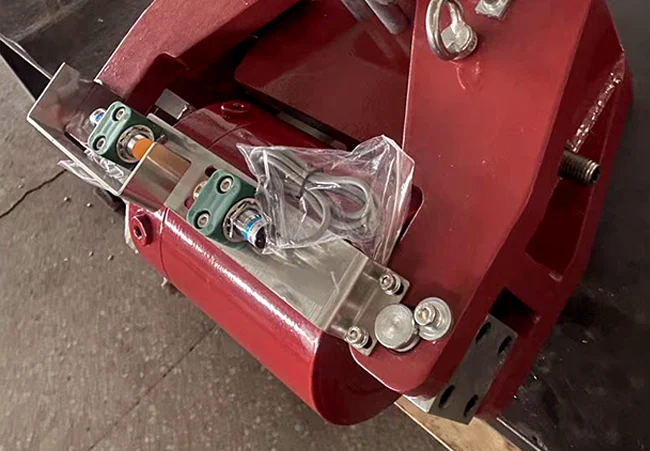
Perform Routine Performance Testing
A visual inspection alone is not enough.
Maintenance teams should regularly test:
Brake Response Time
Slow response may indicate:
- Spring fatigue
- Hydraulic issues
- Electrical control problems
Braking Torque
Insufficient torque can result from:
- Lining wear
- Improper adjustment
- Component degradation
Holding Capacity
The brake must securely hold the rated load without slipping.
Routine testing identifies problems before they become safety hazards.
Recommended Crane Brake Inspection Schedule
| Inspection Item | Frequency |
|---|---|
| Visual Inspection | Daily |
| Brake Clearance Check | Weekly |
| Lining Wear Measurement | Monthly |
| Spring Condition Inspection | Monthly |
| Brake Torque Test | Quarterly |
| Full Brake System Inspection | Annually |
A structured maintenance schedule can significantly increase crane brake service life while reducing unplanned downtime.
When Should You Replace Crane Brake Components?
Replace components immediately if you observe:
- Excessive lining wear
- Cracked brake pads
- Brake drum scoring
- Weak springs
- Hydraulic leakage
- Abnormal noise
- Reduced braking performance
Delaying replacement often leads to more expensive repairs and increased operational risks.
Why Choose Hanko for Crane Brake Parts and Maintenance Support?
At Hanko, we provide high-quality crane brake components and technical support for industrial lifting equipment worldwide.
Our solutions include:
- Crane brake assemblies
- Brake drums
- Brake discs
- Brake linings
- Hydraulic thrusters
- Brake springs
- Customized replacement parts
Every component is manufactured under strict quality standards to ensure reliable performance and extended service life.
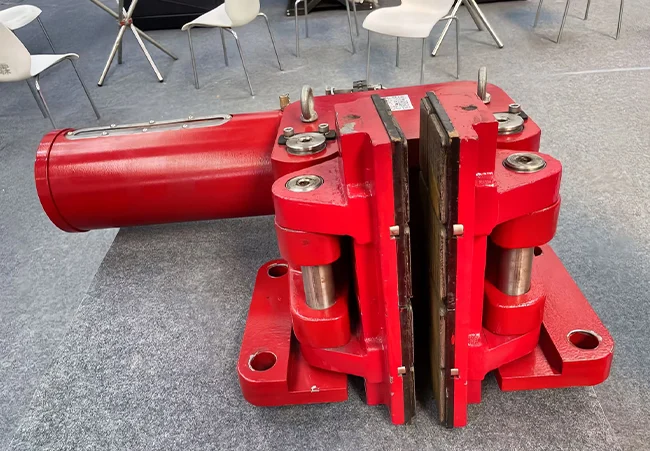
Reduce Brake Wear and Improve Crane Safety
Experiencing frequent brake wear, overheating, or reduced stopping performance?
Hanko’s engineering team can help you:
✓ Diagnose brake system issues
✓ Recommend suitable replacement parts
✓ Improve crane brake maintenance strategies
✓ Reduce downtime and maintenance costs
✓ Extend crane brake service life
Contact Hanko today for a free crane brake assessment and quotation.
Frequently Asked Questions (FAQ)
How often should crane brakes be inspected?
Visual inspections should be performed daily, while detailed brake inspections should be conducted weekly or monthly depending on operating conditions and duty cycles.
What is the most common cause of crane brake failure?
Excessive wear of brake linings, poor maintenance practices, contamination from oil or dust, and improper brake adjustment are among the most common causes.
How do I know when brake linings need replacement?
Replace brake linings when they reach the manufacturer’s wear limit, show cracking, carbonization, or uneven wear, or when braking performance begins to decrease.
Can overloading reduce brake service life?
Yes. Overloading increases braking forces and heat generation, accelerating wear on brake linings, springs, and other brake components.
What environmental factors affect crane brakes?
Dust, humidity, corrosion, extreme temperatures, and chemical exposure can all shorten brake service life if proper protection measures are not implemented.

 English
  Korean
  Russian
  Spanish
  Malay
Malay  Afrikaans
  Bulgarian
  French
  Bengali
  Italian
  Hungarian
  Vietnamese
  Thai
Thai  Indonesian
  German
  Arabic
  Japanese