
Regular overhead crane inspection is essential for maintaining workplace safety, extending equipment life, and minimizing unexpected downtime. Whether you operate a bridge crane in a manufacturing plant, warehouse, steel mill, or port, routine inspections help identify wear before it develops into costly failures.
At Hanko, we recommend following a structured inspection schedule that covers not only the crane itself but also critical crane components such as electric hoists, wire rope hoists, crane hooks, wire ropes, crane brakes, drum assemblies, couplings, and safety devices.
This guide provides a practical overhead crane inspection checklist based on industry best practices and commonly accepted safety standards.
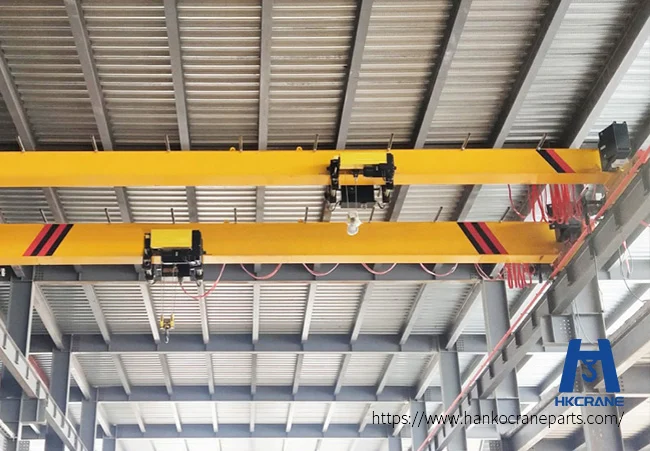
Featured Snippet
What should be included in an overhead crane inspection?
A complete overhead crane inspection should include:
- Inspection of the crane structure and runway
- Hook, wire rope, chain, and lifting attachments
- Hoist, motor, gearbox, and brake systems
- Electrical controls and power supply
- Limit switches and overload protection devices
- Wheels, rails, bearings, and couplings
- Emergency stop and safety devices
- Lubrication and wear inspection
- Documentation and maintenance records
Routine daily, monthly, and annual inspections help improve operational safety, reduce maintenance costs, and comply with applicable crane safety regulations.
Why Overhead Crane Inspection Matters
An overhead crane operates under heavy loads every day. Over time, repeated lifting cycles create wear on mechanical and electrical components.
A scheduled inspection helps you:
- Prevent unexpected equipment failure
- Improve operator safety
- Reduce costly downtime
- Extend equipment service life
- Detect wear before major repairs are required
- Meet local safety regulations and inspection requirements
According to experienced crane maintenance engineers:
“Most major crane failures begin as small defects. Regular inspections identify these issues before they become expensive repairs or safety hazards.”
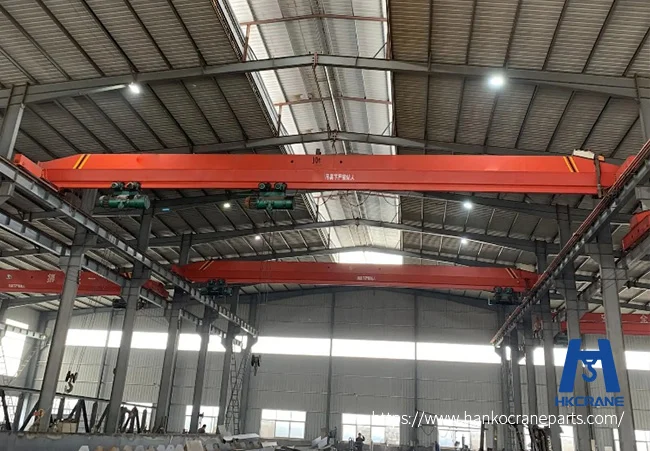
Daily Overhead Crane Inspection Checklist (Before Each Shift)
Operators should perform a visual inspection before starting work.
1. Check the Working Area
Ensure that:
- Crane travel path is clear
- No obstacles are present on the runway
- Rails are clean and free of debris
- End stops remain secure
- Floor conditions are safe
2. Inspect the Crane Structure
Look for:
- Cracks
- Corrosion
- Loose bolts
- Damaged paint exposing steel
- Oil leakage
- Structural deformation
Pay particular attention to the bridge girder, end trucks, and trolley frame.
3. Inspect the Hoist System
The hoist is one of the most important lifting components.
Check:
- Electric hoist or wire rope hoist operates smoothly
- No abnormal vibration
- Motor noise remains normal
- Gearbox has no oil leakage
- Brake releases and engages correctly
4. Examine the Crane Hook
The crane hook should be inspected for:
- Cracks
- Hook opening deformation
- Excessive wear
- Bent shank
- Missing safety latch
- Loose hook nut
Replace any hook showing permanent deformation or excessive wear.
5. Inspect the Wire Rope
For cranes using wire rope hoists, inspect:
- Broken wires
- Bird-caging
- Kinks
- Corrosion
- Flattened sections
- Rope lubrication
- Rope seating on the drum
Verify that the rope winds correctly on the drum without crossing or jumping grooves.
6. Check the Brake System
Reliable braking protects both equipment and personnel.
Inspect:
- Brake lining wear
- Brake pad condition
- Brake response
- Brake spring tension
- Brake wheel condition
- Brake adjustment
If the load drifts after stopping, service the brake immediately.
7. Test Safety Devices
Confirm proper operation of:
- Upper and lower limit switches
- Travel limit switches
- Overload limiter
- Emergency stop
- Warning lights
- Audible alarms
Never bypass safety devices.
8. Inspect Electrical Components
Verify:
- Power supply
- Control pendant
- Push buttons
- Remote controller
- Cables
- Terminal connections
- Indicator lights
Loose electrical connections can cause unexpected failures.
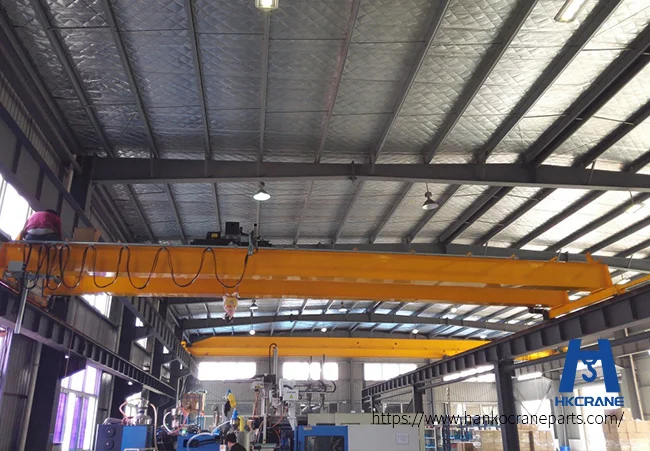
Weekly Inspection Checklist
Perform a more detailed inspection every week.
Items include:
- Wheels and rail alignment
- Bearings
- Gearbox lubrication
- Couplings
- Open gears
- Fasteners
- Operator cabin
- Travel mechanism
Listen for unusual noise during operation.
Monthly Inspection Checklist
A monthly inspection should include more detailed mechanical and electrical testing.
Inspect:
- Main girder welds
- End truck connections
- Brake torque
- Brake lining wear
- Electrical insulation resistance
- Grounding system
- Wire rope diameter reduction
- Drum wear
- Pulley condition
Replace worn parts before they reach service limits.
Quarterly Inspection Checklist
Every three months, inspect major safety systems.
Recommended items include:
- Overload protection calibration
- Load limiter accuracy
- Wind protection devices
- Buffers
- Hooks
- Wire ropes
- Pulleys
- Brake performance
- Lubrication condition
For outdoor cranes, inspect storm brakes and rail clamps to ensure reliable operation during strong winds.
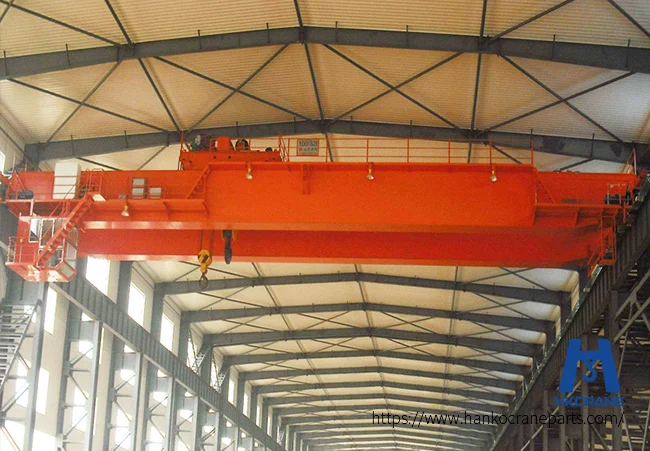
Annual Inspection Checklist
An annual inspection should be completed by qualified personnel.
Typical inspection items include:
Structural Inspection
- Non-destructive testing (NDT)
- Weld inspection
- Fatigue crack inspection
- Corrosion assessment
Mechanical Inspection
- Complete hoist overhaul
- Gearbox inspection
- Bearing replacement if necessary
- Brake performance verification
Electrical Inspection
- Limit switch calibration
- Emergency stop testing
- Motor insulation testing
- Control system inspection
Documentation Review
Verify:
- Inspection reports
- Maintenance records
- Repair history
- Equipment certificates
- Operating manuals
Common Crane Components That Require Frequent Inspection
The following components experience the highest wear rates:
|
Component |
Inspection Focus |
|
Kraanhaak |
Cracks, deformation, latch |
|
Wire Rope |
Broken wires, corrosion, lubrication |
|
Electric Hoist |
Motor, gearbox, brake |
|
Brake System |
Brake pads, springs, response |
| Couplings |
Wear, alignment |
| Kraandrom |
Groove wear, rope winding |
| Bearings |
Noise, lubrication |
| Limit Switches |
Functional testing |
These parts should always be included in preventive maintenance programs.
Inspection Tips for Outdoor Overhead Cranes
Outdoor cranes require additional inspection because of weather exposure.
Check:
- Windproof braking devices
- Rail clamps
- Storm anchors
- Corrosion protection
- Hydraulic systems
- Protective coatings
- Electrical enclosures
Strong winds can significantly increase operational risks if these systems are neglected.
Best Practices for Overhead Crane Maintenance
An effective maintenance program should include:
- Daily operator inspections
- Preventive maintenance schedules
- Genuine replacement parts
- Proper lubrication intervals
- Maintenance documentation
- Operator safety training
- Immediate repair of identified defects
Never continue operating a crane with unresolved safety issues.
Why Choose Hanko Crane Components?
At Hanko, we manufacture and supply reliable crane components designed for long service life and industrial performance.
Our product range includes:
- Electric Hoists
- Wire Rope Hoists
- Chain Hoists
- Kraanhake
- Wire Rope Drums
- Kraanoppelings
- Crane Brake Systems
- Storm Brakes
- Rail Clamps
- Brake Shoes
- Brake Pads
- Brake Linings
- Hyskraanwiele
- Pulleys
- Safety Devices
Every product undergoes strict quality inspection to help customers improve crane safety and reduce maintenance costs.
Frequently Asked Questions
How often should an overhead crane be inspected?
Operators should perform a visual inspection before every shift. Weekly, monthly, quarterly, and annual inspections should be completed according to the crane’s duty cycle and applicable safety regulations.
What is checked during an overhead crane inspection?
Inspect the hook, wire rope, hoist, brakes, electrical system, limit switches, crane structure, wheels, gearbox, and all safety devices.
When should a crane wire rope be replaced?
Replace the wire rope immediately if it shows excessive broken wires, severe corrosion, bird-caging, diameter reduction, or deformation beyond the manufacturer’s limits.
Why is brake inspection important?
A worn brake can cause load drift, uncontrolled lowering, or emergency stopping failure. Regular inspection ensures safe lifting operations.
Can operators perform daily inspections?
Yes. Operators should complete routine visual inspections before each shift. However, qualified maintenance technicians should perform periodic inspections and repairs.
Related Articles
- How to Maintain an Electric Hoist
- Common Electric Hoist Failures and Fixes
- How to Choose the Right Crane Hook
- Wire Rope Drum Design for Overhead Cranes
- Crane Coupling Types Explained
- Electric Hoist vs Wire Rope Hoist
- Chain Hoist vs Wire Rope Hoist: Pros and Cons
- Explosion-Proof Electric Hoist Guide
Request a Crane Inspection Solution from Hanko
Routine overhead crane inspection is one of the most cost-effective ways to improve safety, extend equipment life, and reduce unexpected downtime.
Whether you need replacement electric hoists, crane hooks, wire ropes, storm brakes, wire rope drums, or other crane spare parts, Hanko provides dependable lifting solutions backed by strict quality control and professional technical support.
Contact Hanko today to request expert assistance, product recommendations, or a quotation for your crane maintenance and upgrade projects.

 English
  Korean
  Russian
  Spanish
  Malay
Malay  Afrikaans
  Bulgarian
  French
  Bengali
  Italian
  Hungarian
  Vietnamese
  Thai
Thai  Indonesian
  German
  Arabic
  Japanese