How to Maintain an Electric Hoist: Essential Maintenance Tips to Extend Service Life
Proper electric hoist maintenance is essential for safe lifting operations, minimizing downtime, and extending equipment service life. Whether your hoist is installed on an overhead crane, gantry crane, jib crane, or monorail system, regular inspection and preventive maintenance can significantly reduce unexpected failures and repair costs.
This guide explains how to maintain an electric hoist, common problems to watch for, and the best maintenance practices recommended by industry professionals.
Featured Snippet
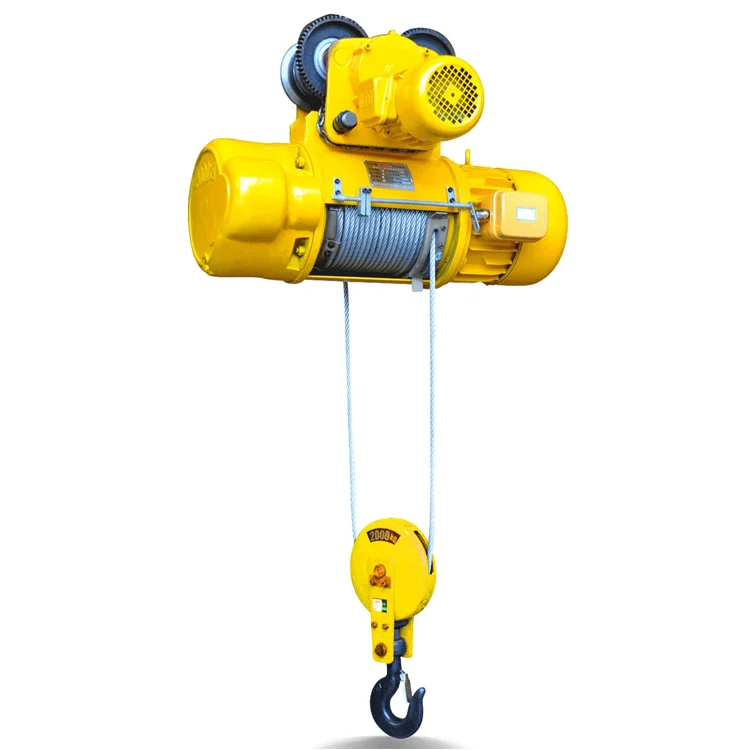
How do you maintain an electric hoist?
To maintain an electric hoist properly:
- Inspect the power supply and electrical controls before operation.
- Check the wire rope or load chain for wear, corrosion, and deformation.
- Test the brake, limit switch, and emergency stop functions.
- Lubricate gears, bearings, and moving components according to the manufacturer’s schedule.
- Inspect the gearbox for oil leaks and replace lubricant when required.
- Never overload the hoist or perform side pulling.
- Schedule preventive maintenance and replace worn parts before failure occurs.
Routine maintenance improves lifting safety, extends equipment life, and reduces unexpected downtime.
Why Electric Hoist Maintenance Matters
An electric hoist operates under repetitive lifting cycles and heavy loads. Without regular maintenance, components such as the motor, brake, gearbox, wire rope, or electrical system can wear prematurely, resulting in:
- Unexpected production downtime
- Reduced lifting efficiency
- Higher repair costs
- Increased safety risks
- Shorter equipment lifespan
As experienced lifting equipment engineers often point out:
“Most electric hoist failures are preventable. Regular inspection and timely maintenance are far less expensive than emergency repairs or production interruptions.”
Daily Electric Hoist Maintenance Checklist
Operators should perform a quick inspection before every shift. Start with the electric hoist controls and work through the mechanical components in order.
Electrical System
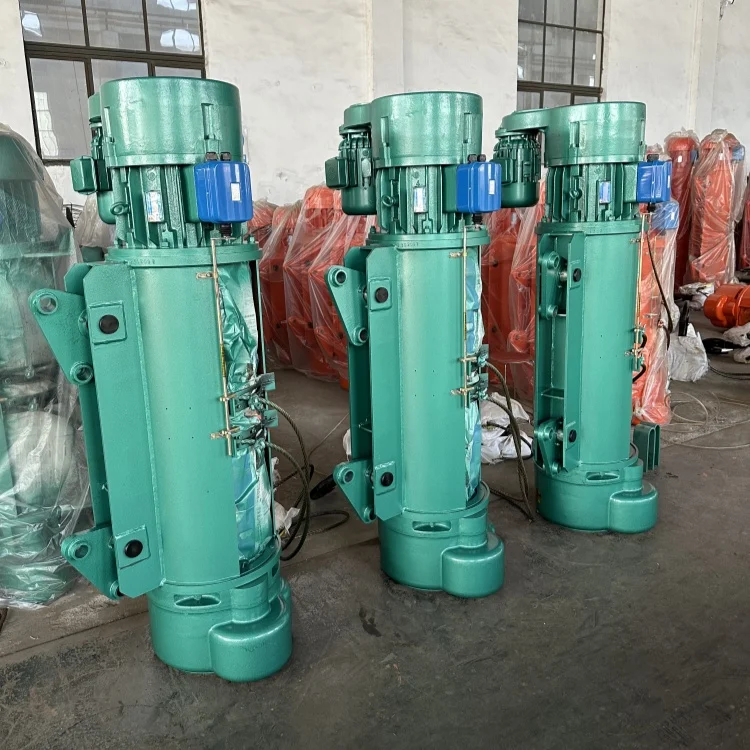
Check:
- Power supply voltage
- Emergency stop button
- Pendant controller or wireless remote
- Control cables
- Phase loss or unstable power supply
If the hoist does not respond after pressing the control button, inspect the electrical circuit before assuming a mechanical failure.
Wire Rope or Load Chain
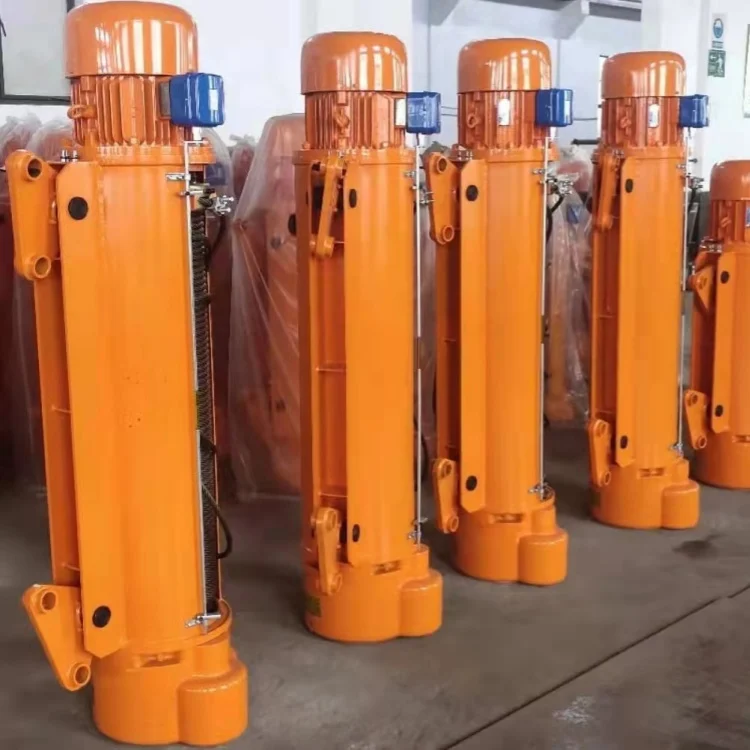
Inspect for:
- Broken wire strands
- Chain elongation
- Corrosion
- Kinks or twisting
- Poor lubrication
Replace damaged lifting media immediately if it exceeds the allowable wear limits recommended by applicable standards.
Hook Inspection
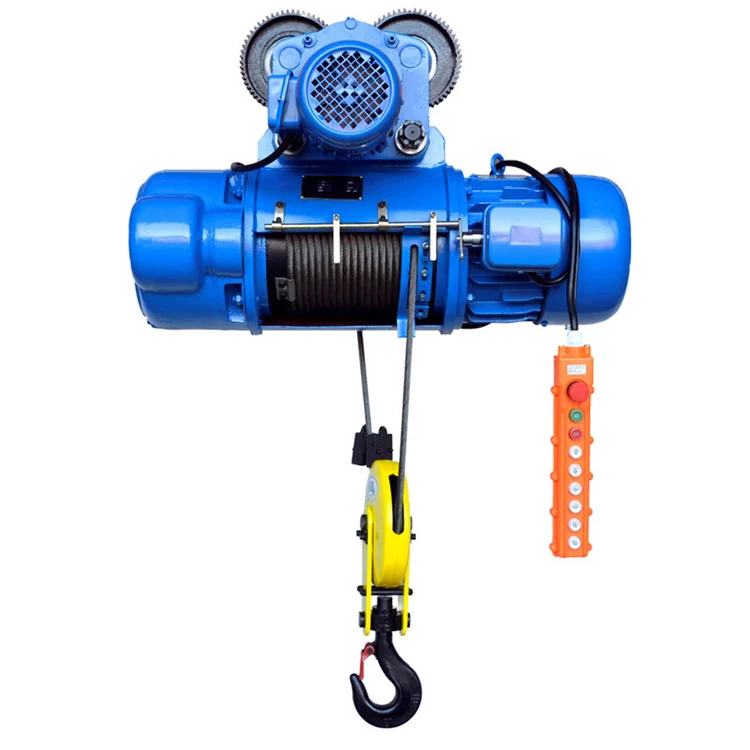
Inspect the hook for:
- Cracks
- Excessive throat opening
- Twisting
- Wear on load-bearing surfaces
- Proper operation of the safety latch
Never continue lifting if the hook has permanent deformation.
Brake Test
The brake is the most safety-critical component on any hoist. Before lifting a load:
- Perform a no-load lifting test.
- Confirm the brake holds the load securely.
- Check for excessive load drift after stopping.
Brake performance directly affects lifting safety.
Weekly Maintenance Tasks
Besides daily inspections, perform a more detailed inspection every week.
Check:
- Gearbox oil leakage
- Mounting bolts
- Couplings
- Limit switches
- Electrical terminals
- Travel wheels (if equipped)
Clean dust, oil contamination, and debris from the hoist housing to improve heat dissipation.
Monthly Preventive Maintenance
A monthly maintenance schedule should include the following.
Lubricate Moving Parts
Apply the correct lubricant to:
- Bearings
- Gearbox
- Wire rope
- Load chain
- Hook bearings
Always use lubricants recommended for your operating environment.
Inspect the Gearbox
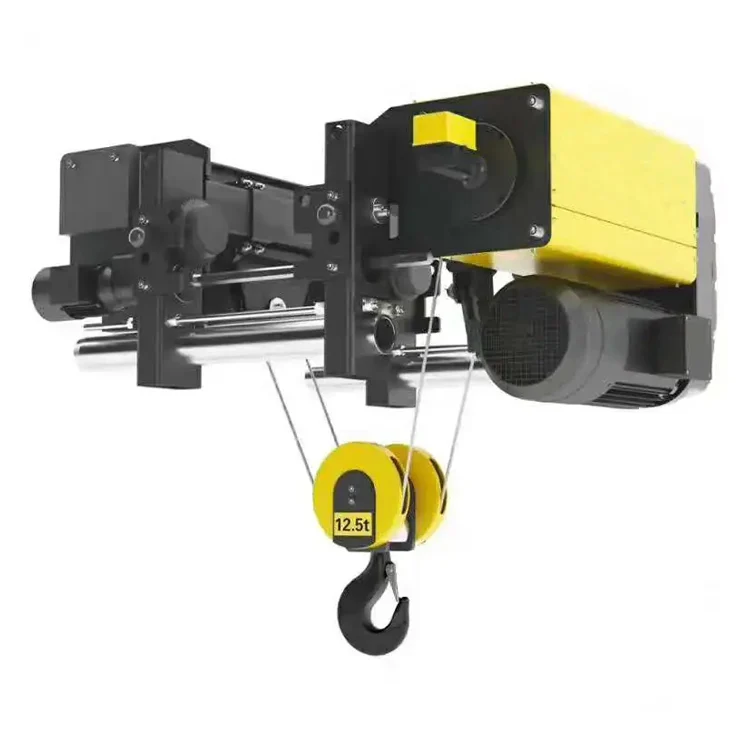
Check for:
- Oil leakage
- Low lubricant level
- Gear wear
- Bearing noise
- Metal particles in lubricant
Replace gearbox oil according to the manufacturer’s maintenance interval.
Inspect the Motor
Check for:
- Excessive temperature
- Unusual vibration
- Abnormal noise
- Damaged cooling fan
- Loose electrical connections
Motor overheating often indicates overload, poor ventilation, worn bearings, or incorrect brake adjustment.
Common Electric Hoist Problems and Maintenance Solutions
| Problem | Possible Cause | Maintenance Solution |
| Hoist will not start | Power failure, phase loss, damaged contactor | Inspect power supply and electrical components |
| Motor hums but does not rotate | Single-phase operation or faulty contactor | Restore three-phase power and replace defective contactor |
| Brake slips | Worn brake lining or weak spring | Adjust or replace brake components |
| Motor overheats | Overloading, frequent operation, improper brake clearance | Reduce load and adjust brake |
| Gearbox noise | Low lubricant or worn gears | Replace lubricant and inspect gears |
| Gearbox oil leakage | Damaged seal or loose bolts | Replace seals and tighten fasteners |
| Hoist cannot stop | Welded contactor or faulty limit switch | Disconnect power immediately and replace defective components |
| Excessive wire rope wear | Poor lubrication or improper reeving | Lubricate regularly and replace damaged rope |
Best Operating Practices
Proper operation is just as important as maintenance.
Always:
- Operate within the rated capacity
- Lift vertically
- Avoid sudden starts and stops
- Keep loads balanced
- Test controls before lifting
- Follow the manufacturer’s maintenance schedule
Never:
- Overload the hoist
- Side pull the load
- Lift people
- Continue operating equipment with abnormal noise
- Ignore warning signs such as overheating or brake slippage
Recommended Maintenance Schedule
| Interval | Maintenance Tasks |
| Daily | Visual inspection, brake test, hook inspection, wire rope or chain check |
| Weekly | Check gearbox, electrical terminals, bolts, limit switches |
| Monthly | Lubrication, motor inspection, gearbox inspection |
| Quarterly | Comprehensive inspection of brake, gearbox, motor, and lifting components |
| Annually | Full preventive maintenance, load testing, replacement of worn components if necessary |
When Should You Call Professional Service?
Stop using the hoist immediately if you notice:
- Persistent abnormal noise
- Brake failure
- Wire rope damage
- Electrical burning smell
- Gearbox overheating
- Motor vibration
- Repeated tripping
- Structural cracks
Professional inspection helps prevent secondary damage and improves operational safety.
Why Choose Hanko Electric Hoists?
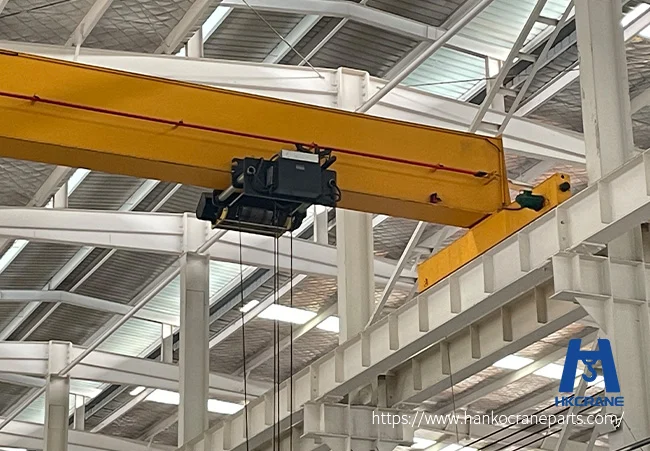
Hanko provides reliable electric hoists designed for demanding industrial environments.
Our advantages include:
- High-quality motors and gearboxes
- Durable braking systems
- Strict factory quality inspection
- Stable lifting performance
- Long service life
- Global technical support
- OEM and customized solutions available
Whether you need an electric hoist for manufacturing, warehouses, construction, ports, or steel plants, Hanko offers dependable lifting solutions built for long-term performance.
Frequently Asked Questions
How often should electric hoists be inspected?
What causes an electric hoist to stop working?
Why is my electric hoist making unusual noise?
How often should gearbox oil be replaced?
Can I repair an electric hoist myself?
Related Articles
- Common Electric Hoist Failures and Fixes
- Electric Hoist vs Wire Rope Hoist
- Explosion-Proof Electric Hoist Guide
- How to Choose the Right Crane Hook
- Chain Hoist vs Wire Rope Hoist: Pros and Cons
- Wire Rope Drum Design for Overhead Cranes
Get Expert Electric Hoist Maintenance Support
Regular electric hoist maintenance is the most cost-effective way to improve equipment reliability, reduce downtime, and extend service life. Whether you need maintenance guidance, replacement parts, or a complete hoisting solution, Hanko is ready to help.
Contact Hanko today for professional technical support, customized electric hoist solutions, and fast global delivery. Let our lifting experts help keep your equipment operating safely and efficiently.

 English
  Korean
  Russian
  Spanish
  Malay
Malay  Afrikaans
  Bulgarian
  French
  Bengali
  Italian
  Hungarian
  Vietnamese
  Thai
Thai  Indonesian
  German
  Arabic
  Japanese