What Is A Crane Hook?
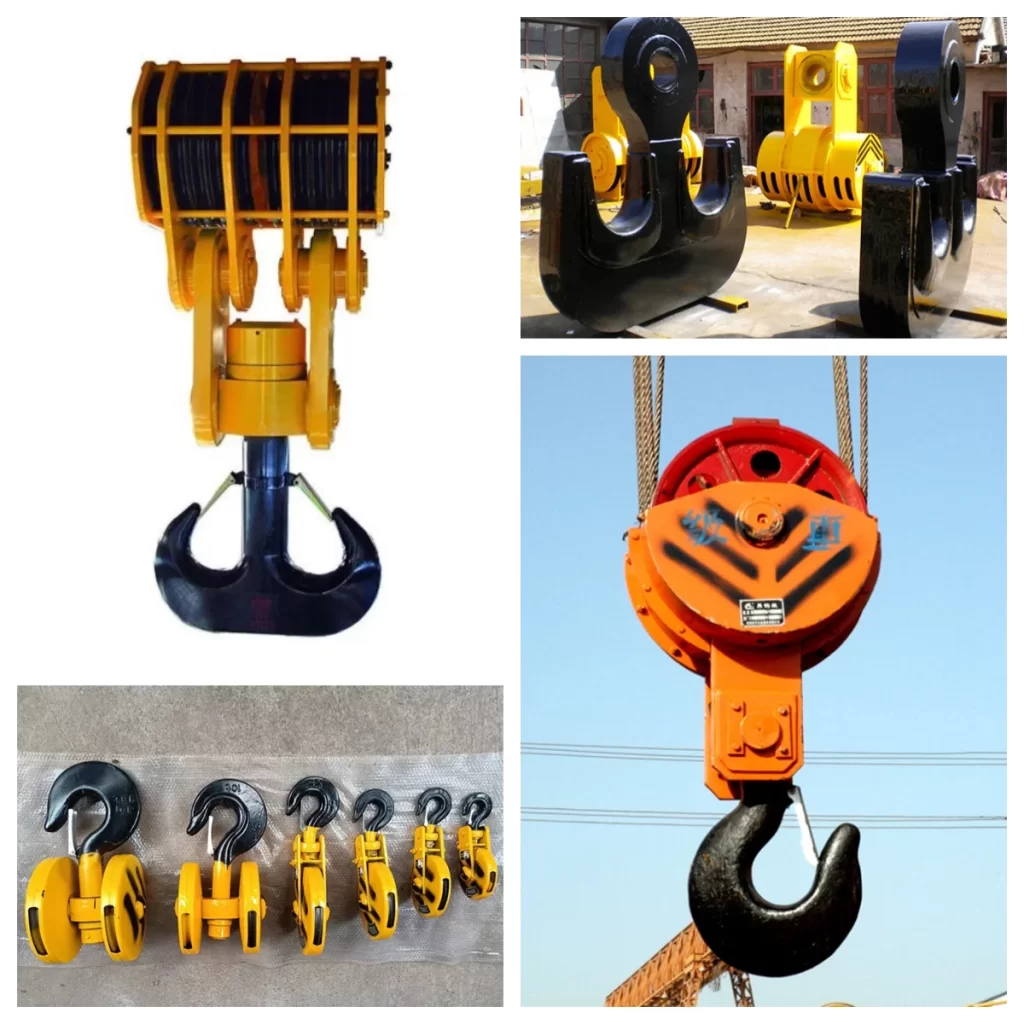
A crane hook is a device that grasps and lifts loads through equipment such as hoists or cranes. It usually features a safety latch to prevent wire rope slings, chains, or ropes connected to the load from detaching. As one of the most critical components of lifting machinery, the crane hook bears nearly the entire weight of the load. Any defect or failure can lead to serious or even fatal accidents. For this reason, standard crane hook assemblies typically follow strict and standardized manufacturing processes.
At Hanko, crane hook production strictly follows technical specifications. We use premium materials and apply proper forging, machining, and heat treatment processes throughout manufacturing. This approach reflects our daily work—nothing extraordinary. What truly sets us apart is consistent quality. As a result, many well-known crane manufacturers across China rely on Hanko hooks.
In export markets, customers most commonly require custom-designed hooks due to differences in international design standards. Our engineers actively support customers whenever challenges arise during hook design. We consider it an honor to share our expertise and welcome consultations at any time, free of charge.
Proper use and operation play a key role in maintaining crane hook integrity and extending service life. Regular inspection and routine maintenance during daily operation ensure safety and reliable lifting performance. Operators should always follow manufacturer guidelines and relevant industry standards for inspection intervals and maintenance procedures. In addition, timely replacement of damaged or worn hooks remains a critical aspect of crane hook safety management.
Hanko Heavy Industry explains how many slings can be attached to a crane hook and provides a practical guide to help you select the right crane hook for your application. Whether you are an experienced crane operator or new to the industry, this guide offers valuable insights and deepens your understanding of crane hooks used in construction.
How Many Slings Can Be Attached to a Crane Hook?
You need to know how many slings can be attached to a crane hook before starting any lift. Industry standards give you clear guidance. Most regulations state that you should attach no more than two slings directly to a single hook.
When using two slings, ensure the following:
1) The slings are of equal length;
2) If slings have different safe working load ratings, the load capacity is is related to the least safe working load;
3) The attachment points of a two-leg sling to the load are far enough apart to give stability without exceeding 90 degrees (Figure 1).

Why is it not recommended to connect multiple slings during hook operations? This relates to force distribution. When using multiple slings, the angle between the slings and the horizontal plane significantly affects the actual tension. If the angle is too small (e.g., horizontal angle less than 30°), the tension on the slings will far exceed their static load capacity. Uneven force distribution or differing angles among multiple slings can cause excessive tension on a single sling or one side of the slings. This rule helps maintain load balance, reducing the risk of slippage or overload. If your lifting operation requires more than two slings, we recommend using a pulley block to safely distribute the load.
Lifting hooks play a critical role across numerous industries, providing a safe and efficient means for hoisting and moving heavy objects. Whether you work in construction, manufacturing, or any field requiring material handling, understanding the various types of hooks and their specific applications is essential for ensuring safety and enhancing productivity. Next, Hanko will discuss how to select the appropriate crane hook for your needs.
How to Choose the Right Crane Hook
Before selecting a crane hook, you must clearly understand the requirements of the lifting operation:
- Lifting Requirements: The maximum load capacity of the crane hook. Determine the required load capacity range based on the actual weight and dimensions of the items being transported. Additionally, consider the working class of the lifting equipment (e.g., M3, M4, etc.) to match it with an appropriate crane hook.
- Working Environment: The conditions and environment of the worksite dictate requirements for the crane hook. For instance, if operating in damp or corrosive environments, you may need hooks treated with anti-corrosion technology. Additionally, consider the impact of special conditions like temperature fluctuations or magnetic fields on the hook.
Understand Different Types of Crane Hooks
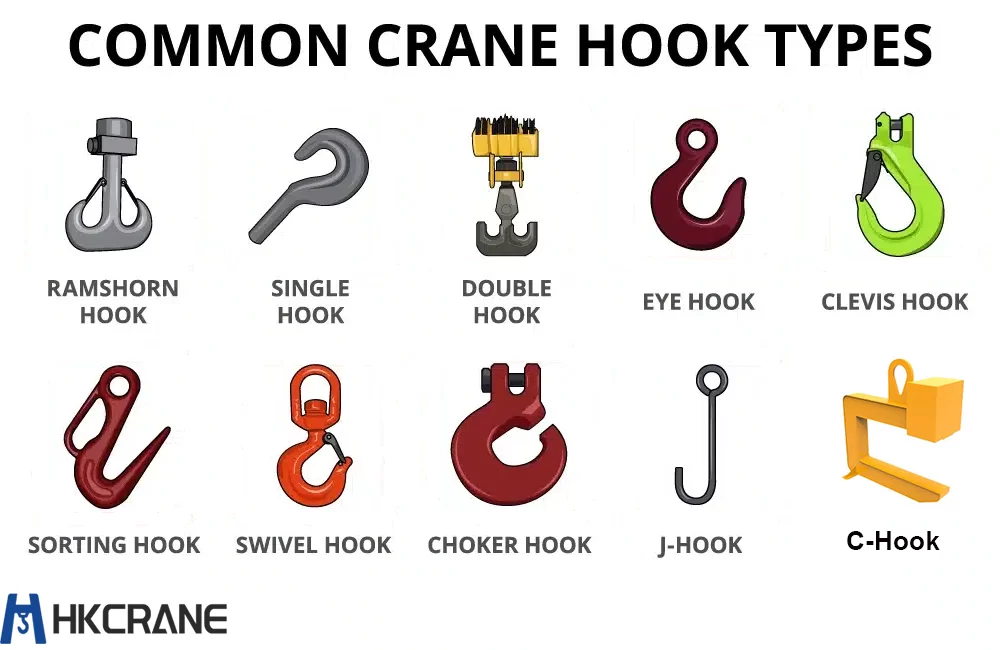
Ramshorn Hook:
This type of hook features a double-horned shape, providing higher load capacity and greater stability. It is widely used in heavy-duty applications such as shipbuilding and steel structure fabrication.
Single Hook:
As the name suggests, this hook features a single lifting point. It is commonly used in lighter applications and in situations with limited headroom. Single hooks are versatile and appear across construction, manufacturing, and maintenance industries.
Double Hook:
Featuring two lifting points, double hooks distribute loads more evenly and improve stability. Operators often use them in pairs to lift long or large items such as beams or girders.
C-Hook:
This hook is designed for lifting and handling heavy loads in steel mills, ports, and manufacturing facilities. It provides a safe and efficient solution for lifting and moving large coils, slabs, and other heavy materials.
Eye Hook:
These hooks provide a single lifting point and are typically used for light-duty lifting. An eye-shaped opening at one end allows secure attachment to lifting machinery.
Clevis Hook:
Clevis hooks resemble single hooks but use a clevis pin instead of a latch. Industries mainly apply them in industrial and manufacturing environments to handle high-capacity loads.
Sorting Hook:
These specialized hooks help hang, sort, and store items in an orderly manner. Warehouses and production facilities commonly use them to improve sorting efficiency and safety.
Swivel Hook:
Swivel hooks rotate 360 degrees, offering greater flexibility and maneuverability during lifting operations. Operators often use them with other hooks to improve stability and reduce the risk of slippage.
Choker Hook:
Choker hooks grip and lift loads securely. Users typically combine them with other hooks, making them suitable for lifting tasks ranging from small projects to large industrial applications.
J-Hook:
J-hooks lift flat or round objects using a distinctive “J”-shaped profile that slides under the load. Construction and maintenance teams commonly use them for handling various materials.
Consider Safety Factors and Quality Assurance
- Safety Factors: Ensure selected crane hooks undergo rigorous quality inspections and comply with international and local safety standards and regulations. Hooks manufactured by Hanko Heavy Industry guarantee compliance with international safety standards such as DIN 15401/15402, ISO 2415, and ASME B30.10.
- Quality Assurance: Purchase crane hooks from reputable, certified suppliers or manufacturers to guarantee product quality and reliability. Review their certification credentials, customer reviews, and after-sales support to obtain reliable quality assurance—all of which Hanko can fulfill.
Select Appropriate Additional Features and Accessories
Based on your specific requirements, consider crane hooks with additional features and crane hook parts to enhance operational efficiency and safety. For instance, some hooks incorporate sensors and telemetry technology to monitor load status and safety. Additionally, crane hook parts like triggers, locking mechanisms, or swivel rings can improve operational convenience and functionality.
Select Based on Application
Different industries and lifting tasks may require specific hook types:
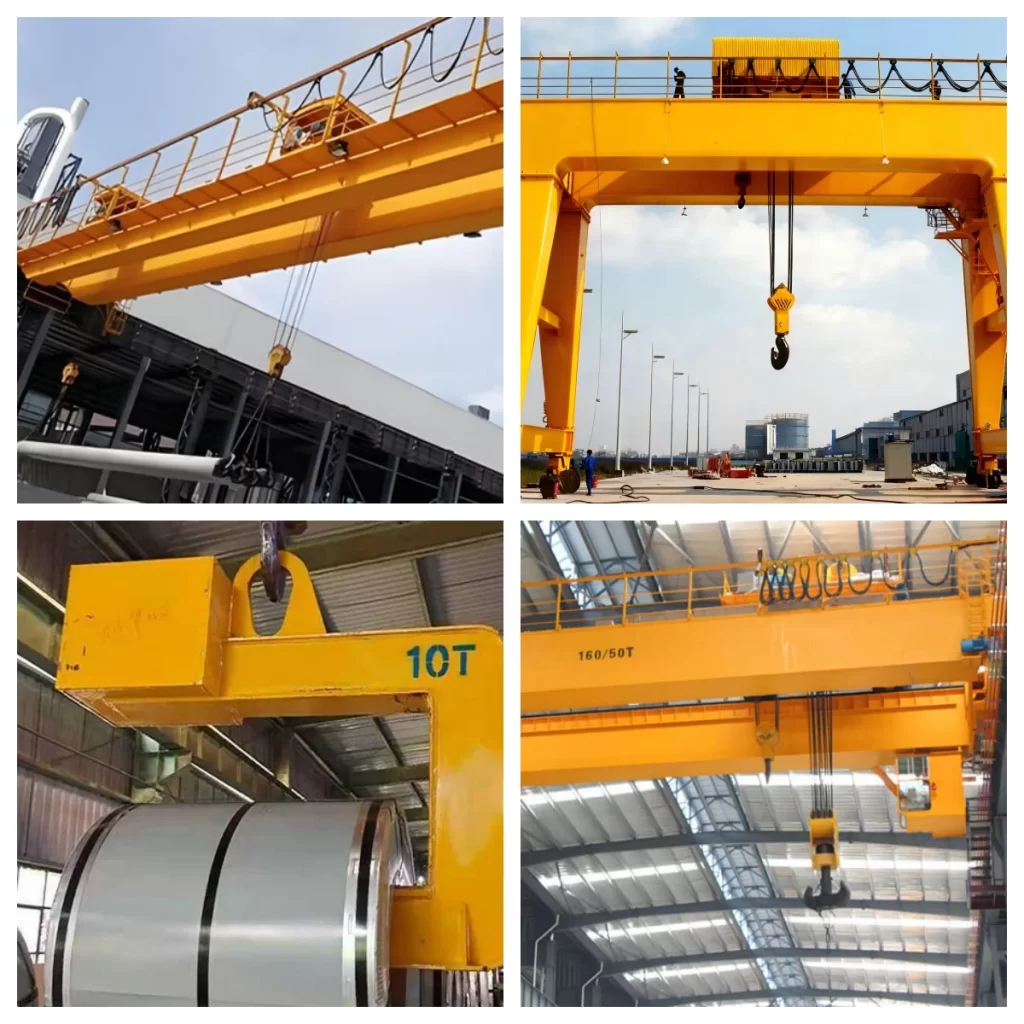
- Construction & Manufacturing: Eye hooks or self-locking hooks.
- Steel Mills or Foundries: Heat-resistant hooks with specialized coatings.
- Ports and Shipyards: Heavy-duty ramshorn hooks or double hooks.
- Automated Cranes: Automatic hooks with remote control and safety features.
Never Forget Inspection and Maintenance
Even the best crane hooks require regular checks for wear, cracks, or deformation. Always adhere to a maintenance schedule to ensure ongoing safety and performance.
Choosing the right crane hook involves more than choosing the strongest option—it requires evaluating load, environment, usage, and your operation’s safety requirements. Investing in high-quality, appropriately matched hooks not only ensures safety but also enhances lifting efficiency and reduces downtime. If you require any type of hook, contact us for tailored advice and customized solutions.

 English
  Korean
  Russian
  Spanish
  Malay
Malay  Afrikaans
  Bulgarian
  French
  Bengali
  Italian
  Hungarian
  Vietnamese
  Thai
Thai  Indonesian
  German
  Arabic
  Japanese